Category: Blog

Your blog category

  • How Understanding Complex Trauma Deepened My Ability to Love Myself

    How Understanding Complex Trauma Deepened My Ability to Love Myself

    “Being present for your own life is the most radical act of self-compassion you can offer yourself.” ~Sylvia Boorstein

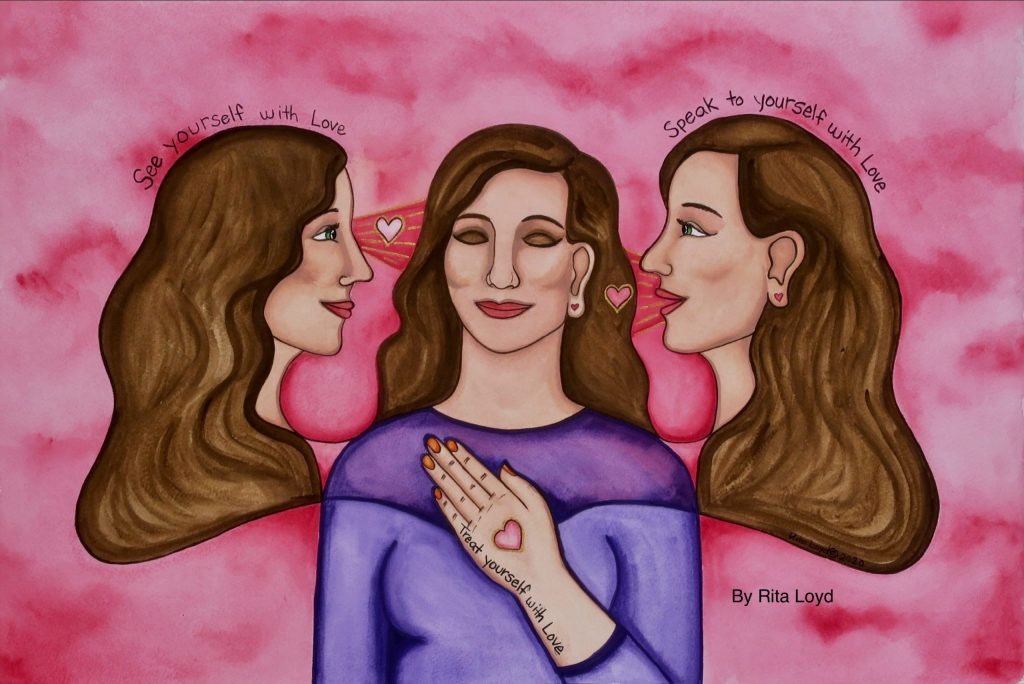
    In 2004, I experienced a powerful breakthrough in understanding what it meant to love myself. I could finally understand that self-love is about the relationship that you have with yourself, and that relationship is expressed in how you speak to yourself, treat yourself, and see yourself. I also understood that self-love is about knowing yourself and paying attention to what you need.

    These discoveries, and others, changed my life and led me into a new direction. But as the years …

    “Being present for your own life is the most radical act of self-compassion you can offer yourself.” ~Sylvia Boorstein

    In 2004, I experienced a powerful breakthrough in understanding what it meant to love myself. I could finally understand that self-love is about the relationship that you have with yourself, and that relationship is expressed in how you speak to yourself, treat yourself, and see yourself. I also understood that self-love is about knowing yourself and paying attention to what you need.

    These discoveries, and others, changed my life and led me into a new direction. But as the years went by, I began to feel exhausted by life. Despite all that I had learned, I could feel myself burning out. It became clear to me then that there was a depth of self-love and healing I still wasn’t able to reach.

    What I didn’t realize yet was that I had been living with complex trauma my entire life. It stemmed from a painful childhood, and it had created blind spots in how I saw myself and others. Because of complex trauma, I moved through life in a fog—feeling lost, disconnected from myself, and seeking self-worth through external validations.

    So, I continued on with life—struggling, yet still hoping to find my answers. Then one day the fog began to lift, and the healing process began. I couldn’t see it all at once, but little by little, it became clear what I needed to learn in order to reach a deeper level of self-love and healing. Here’s a glimpse into my journey.

    From 2011, I spent the next five years helping my dad take care of my mom because she had advanced Alzheimer’s disease. I was helping three to four days a week, even though I was dealing with chronic health issues and severe anxiety. This was an extremely difficult time that pushed me past my limits—yet it was a sacred time as well.

    Six months after my mom died in 2016, my health collapsed due to a serious fungal infection in my esophagus. I had never felt so broken—physically, mentally, and emotionally. I was desperately searching for ways to recover my health, I was grieving the death of my mom, and I was struggling with a lost sense of identity. Because of this, and more, the goals and dreams I once had for my life vanished—as if the grief had caused some kind of amnesia.

    A few years later, I had my first breakthrough. I was texting with a friend, and he was complaining to me about his ex-girlfriend, who has narcissistic personality traits.

    He told me about the gaslighting, manipulation, ghosting, lack of empathy, occasional love-bombing, devaluing, discarding, and her attempts to pull him back in without taking accountability for the ways that she had mistreated him.

    His description sounded oddly familiar. It reminded me of the dynamic I had with many of my family members in different variations. I had always sensed that something was off in the way my family treated me, but I was so conditioned to normalize their behavior that I couldn’t quite put my finger on what was wrong.

    Once I became aware of narcissistic personality traits, I started doing my own research by listening to narcissistic behavior experts such as Dr.Ramani Durvasula, and it was very liberating.

    I learned that parents who have narcissistic personality traits, often treat their children in ways that serve their own emotional needs instead of meeting the emotional needs of their children. And this can cause negative programming in the way those children think about themselves and others.

    For example, since my dad treated me like my emotional needs didn’t matter, this may have modeled to the rest of my family to treat me in the same way. And it most definitely taught me how to treat myself, especially when I was around my family.

    I also learned that narcissistic relationships can cause you to lose yourself, because they can systematically break down your identity, confidence, and state of reality.

    At the same time, I also learned that narcissistic behavior often stems from a deep sense of insecurity, usually rooted in a painful and abusive childhood. Recognizing this helped me to see my family members through a more compassionate lens—not to excuse their behavior, but to understand where it might be coming from.

    Learning about narcissistic personality traits has deepened my ability to love myself because of the clarity it has given me. I finally understand my family dynamic and how I used to abandon myself when I was around them.

    I would always give them my full and undivided attention, hoping it would be reciprocated, but it never was. Instead, in their presence, I became invisible—as if what I thought, felt, or needed didn’t matter. Around them, I learned to silence myself in order to stay connected, even if it meant disconnecting from myself.

    Understanding narcissistic patterns and the impact that they can have helped me to face reality. My family members were unlikely to ever change, and I would always need to protect my emotional well-being when I was around them.

    As I learned about narcissistic personality traits, I started to come across information about other related topics, such as complex trauma and how it can dysregulate the nervous system. Peter Levine and Gabor Maté are two of my favorite teachers on this subject.

    I discovered that many of my health issues—including inflammation of the stomach, panic attacks, chronic anxiety, chronic fatigue, depression, lowered immune function, pain, and chemical sensitivities—could be linked to a dysregulated nervous system.

    This can happen when the nervous system is chronically stuck in survival mode. In survival mode, the body deprioritizes functions like digestion in order to stay alert and survive. Over time, this can cause fatigue and other problems by draining energy and disrupting key systems needed for rest, repair, and vitality.

    Learning about complex trauma has deepened my ability to love myself because it has opened my understanding to why I might be chronically ill and always in a state of anxiety. Knowing this gives me clues in how I can help myself.

    I also learned that complex trauma is caused less by the traumatic events themselves and more by how those events are processed in the nervous system and in the mind.

    According to the experts, if you are not given context, connection, and choice during traumatic events—especially when those events occur repeatedly or over an extended period of time—it’s more likely to result in complex trauma.

    For example, if during my own childhood, it had been explained to me why my dad was always so angry and sometimes violent… and if I would have had someone to talk to about how his words and actions affected me and made me feel unsafe… and if I would have been given a choice in the matter and wasn’t stuck in harm’s way, then I would have been much less likely to have walked away with complex trauma.

    But since those needs were not met, I internalized the message that I wasn’t safe in the world, which caused my nervous system to become stuck in a state of dysregulation. As a result, constant fear became an undercurrent in my daily life—often stronger than I knew how to manage.

    When I wasn’t in school, I would often retreat into my wild imagination—daydreaming of a perfect fairy tale life one minute and scaring myself with worst-case scenario fears the next. Fortunately, my wild imagination also fueled my creativity and artistic expression, which was my greatest solace. To protect myself, I developed the ability to fawn and to people-please. All of these survival responses have been with me ever since.

    Before I learned about complex trauma, I was told that the only course of action you can take in regard to healing from past emotional abuse was to forgive those who have abused you. But that’s not correct. Forgiveness is fine if you feel like forgiving, but i
  • The Truth My Body Knew Before My Mind Did

    The Truth My Body Knew Before My Mind Did

    “The body keeps the score. If the memory of trauma is encoded in the viscera, in heartbreaking and gut-wrenching sensations, then our first priority is to help people ‘feel’ what their bodies are telling them.” ~Bessel van der Kolk
    I used to think my body was a liar. Because how can something that’s supposed to be wise also be so dramatic?

    Why did my stomach sink before a coffee date?

    Why did I feel like I was going to vomit before a Zoom call?

    Why did I freeze before taking a step toward the exact thing I said I wanted?…

    “The body keeps the score. If the memory of trauma is encoded in the viscera, in heartbreaking and gut-wrenching sensations, then our first priority is to help people ‘feel’ what their bodies are telling them.” ~Bessel van der Kolk
    I used to think my body was a liar. Because how can something that’s supposed to be wise also be so dramatic?

    Why did my stomach sink before a coffee date?

    Why did I feel like I was going to vomit before a Zoom call?

    Why did I freeze before taking a step toward the exact thing I said I wanted?

    I used to think all of that meant something was wrong with me. Or maybe I was just anxious. Or overthinking. Or making it up. Pick a label.

    But now I know better.

    My body wasn’t lying. It just didn’t have the language to explain what it was holding.

    I didn’t grow up learning how to listen to my body. I grew up learning how to ignore it. Override it. Be good. Smile. Sit still. Don’t cry. Don’t be dramatic.

    So I did what I was taught. I disconnected from it.

    Even when I started “healing,” I did it with my mind. Journaling. Talking. Thinking. More thinking. Manifesting. Mindset work. All in the head. Still ignoring the body that never stopped trying to talk to me.

    At first, it felt like it was working. I felt empowered. I could reframe my thoughts, set intentions, and write affirmations. But it was like taping over a warning light in my car; I wasn’t addressing the deeper signal underneath. My body kept breaking through. Subtle at first, then louder.

    And I truly believed I was doing it right.

    If I could just write the perfect affirmation, process the trigger, and map it back to childhood, then I’d feel better. Right? But it never really lasted. Not until I stopped trying to fix it all with my brain and actually felt what was happening in my body.

    The signs were subtle at first. A little tightness in my chest. A sudden drop in energy. A weird tension in my jaw that came out of nowhere.

    Other times, it would scream. Fatigue. Rage. Anxiety. Autoimmune flare-ups. But I didn’t know how to translate any of it.

    Because no one teaches you that a shutdown isn’t laziness. That canceling plans doesn’t mean you’re flaky. That dread isn’t always fear; sometimes it’s your body flagging something misaligned before your brain catches up.

    I thought I was broken.

    But I wasn’t. I was just trying to live from the neck up.

    And I don’t think this is just my story. I think many of us were raised in systems, schools, families, and even spiritual spaces that rewarded intellect and punished emotion. We’re praised for being rational, calm, and logical. And that’s great until you realize you’ve spent your whole life bypassing your own body to meet other people’s expectations.

    Now, I understand something that sounds ridiculous unless you’ve lived it: Sometimes, your body knows the truth before your mind can explain it.

    And sometimes, your body responds to fear that’s not even yours.

    I’ve had moments where I walked into a room and felt like I couldn’t breathe, not because anything bad was happening, but because something just felt off, like the air got heavier, like something in me tensed up before I had a chance to make sense of it.

    That’s not logic. That’s not trauma speaking every time.

    Sometimes, that’s intuition.

    Other times, I’ve mistaken shutdowns for signs.

    I said I wanted to show up. I meant it. But every time I got close to putting myself out there with my nonprofit, with my writing, my body would tank. Exhaustion. Brain fog. Fatigue. I’d tell myself, “Maybe this is a sign I’m not ready.” But the truth? It was just fear. Fear of being seen. Fear of being misunderstood. Fear of being rejected.

    My body wasn’t trying to stop me. It was trying to protect me. That’s the nuance no one talks about.

    Your body is wise, but it’s not always right.

    Sometimes it’s responding to a past version of you.

    Sometimes it’s responding to someone else’s energy.

    Sometimes it’s responding to a thought that isn’t even yours.

    But it’s still trying to help in the only way it knows how. And that matters.

    There were times when I canceled something exciting, like a podcast interview or a speaking engagement, because I felt sick. Nauseous. Shaky. I thought, “This must be a sign it’s not aligned.” But often, it was just fear. Fear pretending to be intuition.

    That’s when I realized: I needed to stop asking, “Is this true?” and start asking, “What’s this from?”

    I had to learn the difference between fear and instinct.

    For me, fear shows up fast. It’s hot. Tight. Loud. It tries to rush me.

    Instinct feels slower. Grounded. Even when it says “no,” it comes through calm, not chaotic.

    It wasn’t a switch I flipped. It was a process of remembering. Of noticing patterns. Of asking gentler questions.

    And there was a moment that shifted everything.

    I was sitting on the floor of my bedroom, crying without a clear reason. Nothing dramatic had happened that day. But my chest was tight. My head was spinning. I had that familiar urge to “figure it out.”

    Instead, I just sat. I stopped trying to analyze it. I stopped trying to fix it.

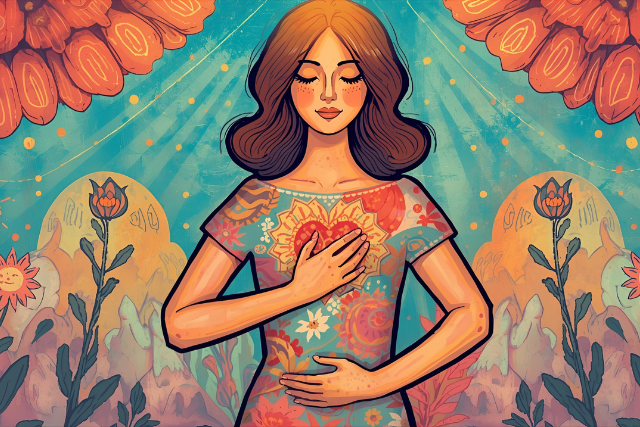
    I put one hand on my heart and the other on my belly. I breathed. And I said out loud, “I’m here. I’m listening.”

    It sounds small, but it felt like something in me softened. My body didn’t need me to understand; it needed me to be with it.

    Since then, that’s been my practice. Not trying to always decode my body like a puzzle. Just making space for what’s happening, even when it’s messy.

    I don’t believe there’s one way to “tune in.” No method saved me. No protocol healed me. What helped was slowing down long enough to notice.

    Breathing. Listening. Learning the difference between intuition and avoidance. Between truth and trigger. Between safety and comfort.

    If you’ve ever felt like your body was unreliable or like it was working against you, you’re not alone. Most of us were never taught how to interpret its language. And that doesn’t mean we’re broken. It means we’re learning a new skill, one that most people never even knew  they needed.

    That’s not something you get from a course. That’s something you get from being in your body long enough to tell when it’s reacting and when it’s remembering.

    It’s why somatic therapy and polyvagal theory are gaining traction. Not because they’re trendy but because they give us a language for what so many have always felt: that the body holds on. That healing.

    It isn’t just about mindset. That regulation doesn’t come from logic; it comes from safety.

    Books like The Body Keeps the Score opened that door for me. But living it? That’s where it finally clicked.

    I don’t have a neat bow to end this with.

    But I can tell you this: Your body isn’t broken. It’s not stupid. And it’s not trying to sabotage you. It just doesn’t speak in words.

    And when you start listening—really listening—you stop needing so many answers.

    Because sometimes the answer isn’t “figure it out.”

    It’s: “Feel what’s actually happening.”

    And that’s enough.

    About Danielle Aime

    Danielle Aime is the founder of Remeria, a nonprofit supporting deep emotional healing through body-based and spiritual tools. Find Raw reflections on marriage, motherhood, healing, faith, and the universe that keeps pulling us toward who we’re becoming on her Substack here.

    Get in the conversation! Click here to leave a comment on the site.

  • I Wanted Revenge; Here’s Why I Let It Be Instead

    I Wanted Revenge; Here’s Why I Let It Be Instead

    “To let go does not mean to get rid of. To let go means to let be.” ~Jack Kornfield

    I must admit right off the bat—as a serial entrepreneur, I’m a risk-taker. Throughout my twenties and thirties, I jumped at opportunities without always vetting the characters involved or asking what six months down the road might look like. I trusted, I leapt, I learned.

    At twenty-three, I launched my first real business with another partner—an upscale pet resort. We had climate-controlled suites, a beautiful play yard, and classical music playing softly in the background. An elaborate four-tier fountain greeted guests …

    “To let go does not mean to get rid of. To let go means to let be.” ~Jack Kornfield

    I must admit right off the bat—as a serial entrepreneur, I’m a risk-taker. Throughout my twenties and thirties, I jumped at opportunities without always vetting the characters involved or asking what six months down the road might look like. I trusted, I leapt, I learned.

    At twenty-three, I launched my first real business with another partner—an upscale pet resort. We had climate-controlled suites, a beautiful play yard, and classical music playing softly in the background. An elaborate four-tier fountain greeted guests in the lobby, where you could also view the handcrafted “Catio” patio built by my father himself.

    Within a few months, it was already turning a profit. On the surface, it seemed like a dream come true. But something felt off.

    My partner, M, was in charge of the books. At first, I brushed off the small red flags. A check deposited here, a discrepancy there. But one night after the last guest was picked up, I went into the office, pulled the books, and began a deeper investigation. What I found left me cold.

    There were large withdrawals I hadn’t approved. Checks made out directly to M. While we had agreed on how much we would each take from the business, these amounts far exceeded our arrangement—and were happening far more often.

    I was sick with disbelief. I confronted her. She cried. She apologized. But she didn’t offer an explanation, only tears. I kept asking, “Why didn’t you just tell me?”

    The betrayal grew stranger. Tensions rose. Communication broke down. One day, I pulled into the parking lot, and someone was there—recording video because they believed I would become physically violent (huh? Me? I don’t even hurt bugs!) as they told me I was no longer allowed on the property.

    Wait, what?

    I was the president of the company. I had put up all the money. It was my vision. My energy. My debt.

    But here’s the thing—I had trusted M to handle the legal paperwork. And while I believed I was an equal owner, I never verified that the documents said so. I wasn’t listed as a shareholder. I had no legal stake.

    I was the president of a company I didn’t actually own.

    At thirty-three, I didn’t know what to look for. I had no real business background—just ambition, trust, and big dreams. And now I was being lied to, stolen from, and kicked out of the very place I built.

    The desire for revenge was overwhelming. I wanted to scream. I wanted to sue. I wanted justice.

    I met with attorneys. I weighed the options. And ultimately, I had to accept one of the hardest truths of my life: pursuing justice might bury me further. The legal costs, the emotional toll—it wasn’t a fight I could afford to win. So I let it be.

    This was the beginning of a long line of “Let it Be’s” with many entrepreneurial hardships, missteps, and mistrusts. It was just the first in what would become an incredibly wild journey over the next twenty years. I was wronged again and again—faced the pain of greed, anger, narcissism, and outright insanity—and I let it ALL be.

    And believe me, the devil on my shoulder had a full revenge script ready—dramatic, petty, borderline illegal. But I never acted on it.

    Every. Single. Time.

    And the truth of it all is taking the higher road isn’t easy. Letting things be is HARD.

    But it’s not weakness. It’s wisdom.

    Because here’s what I’ve learned: fighting fire with more fire only leaves you burned. And the more oxygen you give a flame, the bigger it gets. The longer you cling to betrayal, the more time you spend stuck in it.

    And time? It’s precious.

    Instead of plotting revenge, I began to rebuild. First, I crumbled. Then, brick by brick, I picked myself back up. I changed direction. I started over.

    Here’s what helped me through:

    • I got quiet. No grand social media posts, no smear campaigns. Just space. Silence gave me clarity.
    • I got help. From mentors, therapists, friends who spoke truth when I couldn’t see it.
    • I wrote everything down. The facts. The feelings. The fear. Putting it on paper helped me process it.
    • I took responsibility. Not for what M did, but for what I missed. I studied, I learned, I vowed never to be that uninformed again.

    Because I chose to let it be, I didn’t carry the weight of revenge, I moved forward with grace, and my integrity stayed intact.

    Yes, I lost money. I lost years. I lost a dream.

    But I didn’t lose myself.

    Letting it be doesn’t mean pretending it didn’t happen. It means choosing not to carry it forward. It means making peace with what you can’t control—and putting your energy where it counts.

    This was the first of a long line of experiences I’ve had throughout my entrepreneurial journey. After this event, I faced even more heartbreak and challenges. But every time, I have chosen to let it be.

    Sir Paul McCartney once shared how his mother visited him in a dream and told him the simple words: “Let it be.”

    Well, Mother Mary—you were right.

    This is the way to do it.

    So the next time you’re standing face-to-face with betrayal, I hope—for your sake—you let it be.

    We only get so much time here. Let’s not waste it on battles that don’t build us.

    About BrookeLynn Cohol

    BrookeLynn Cohol is a writer, entrepreneur, songwriter, and creator focused on personal growth, resilience, and creative expression. She believes in starting over as many times as it takes. Connect with her and her current projects at EllaVatour.com.

    Get in the conversation! Click here to leave a comment on the site.

  • The Unexpected Way Jiu-Jitsu Brought Me Back to Myself

    The Unexpected Way Jiu-Jitsu Brought Me Back to Myself

    “You may encounter many defeats, but you must not be defeated. In fact, it may be necessary to encounter the defeats, so you can know who you are.” ~Maya Angelou

    There was a time in my life when everything felt heavy, like I was constantly carrying around a weight that no one else could see.

    I wasn’t in a crisis, exactly. I was functioning, showing up, doing what needed to be done. But inside, I was struggling to stay afloat—trapped in my own head, questioning my worth, and unsure how to move forward.

    One evening, I walked into a Brazilian …

    “You may encounter many defeats, but you must not be defeated. In fact, it may be necessary to encounter the defeats, so you can know who you are.” ~Maya Angelou

    There was a time in my life when everything felt heavy, like I was constantly carrying around a weight that no one else could see.

    I wasn’t in a crisis, exactly. I was functioning, showing up, doing what needed to be done. But inside, I was struggling to stay afloat—trapped in my own head, questioning my worth, and unsure how to move forward.

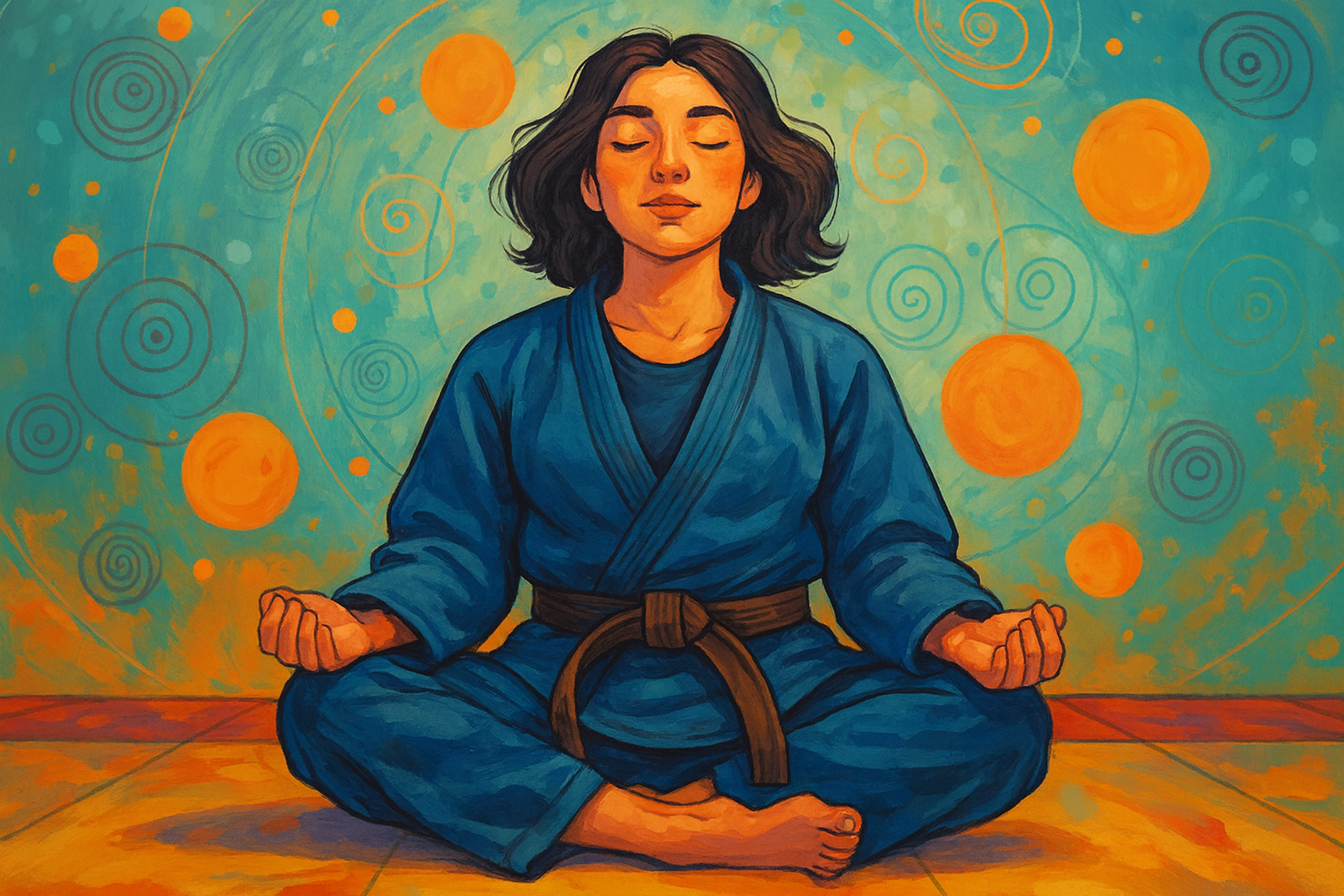
    One evening, I walked into a Brazilian Jiu-Jitsu class for the first time. I had no idea what I was doing. I didn’t know the rules, the language, or even how to tie the belt on my gi. But I was drawn to it—maybe because I was desperate for something to pull me out of my mental spiral. I needed structure. I needed challenge. I needed escape.

    What I didn’t expect was that BJJ would become more than a physical outlet. It became a form of therapy. A place where I could reconnect with my body when my mind felt like a battlefield.

    Finding Peace in the Pressure

    On the surface, BJJ looks intense—people grappling, sweating, fighting for control. But underneath, it’s a quiet game of survival. You breathe. You adjust. You adapt. You keep going.

    There were moments when I would be pinned, completely stuck, with someone twice my size on top of me. I’d panic. My breath would quicken; my thoughts would race. But then I’d hear my coach’s voice in the background: “Slow down. You’re okay. Just breathe.”

    That simple instruction saved me more than once—not just on the mat, but in life.

    Over time, I started to notice something: I was calmer outside of training. More patient. More aware. Jiu-Jitsu didn’t fix my mental health overnight, but it gave me tools to deal with the days when everything felt like too much.

    Losing It… and Finding It Again

    Of course, progress isn’t a straight line. After a few years of training, I got injured. Not once—multiple times. Each injury forced me to stop, rest, and reckon with the fear that maybe I wouldn’t return.

    Without Jiu-Jitsu, I felt lost again. That familiar darkness crept back in, and I realized how much I had come to rely on the practice to stay grounded. But eventually, I returned. Slower, more cautious, but more appreciative than ever.

    I realized it wasn’t about being the best or earning stripes. It was about showing up—for myself.

    What I’ve Learned

    I used to think healing meant getting rid of pain. Now I understand it’s more about learning to live with it—and learning how to move with it, not against it.

    Brazilian Jiu-Jitsu taught me resilience, yes. But more importantly, it taught me presence. You can’t be stuck in your head when someone’s trying to choke you out. You have to be here, now.

    That practice of presence changed how I approached everything else—relationships, work, rest. It helped me become someone who doesn’t give up so easily, even when things get hard.

    Why I’m Sharing This

    Maybe you’re not into martial arts. Maybe you’ve never set foot in a gym. That’s okay. This isn’t about Jiu-Jitsu—it’s about finding the thing that brings you back to yourself. That reminds you of your strength when you’ve forgotten it.

    It could be yoga, running, painting, journaling, hiking, music. It could be therapy. It doesn’t matter what it is, as long as it helps you come home to yourself.

    If you’re going through something right now, I want you to know: You’re not weak for struggling. You’re not broken. And you’re not alone.

    Find your mat—whatever that looks like for you. And when you do, keep showing up. You might be surprised at how strong you already are.

    About Robert Grover

    Robert is a lifelong martial arts student and the founder of Divine Jiu Jitsu, a small mission-driven brand that supports mental health through community and apparel. He trains BJJ in Scotland and believes in the power of presence, pressure, and showing up when it’s hard. Find him on Instagram @Divine_jiujitsu or at divinejiujitsu.com.

    Get in the conversation! Click here to leave a comment on the site.

  • My Daughter Needed Me to Choose Better, So I Did

    My Daughter Needed Me to Choose Better, So I Did

    “Children learn more from what you are than what you teach.” ~W.E.B. Du Bois

    I was standing at the service bar, waiting for my drink order to be ready. The scent of steak fat clinging to my apron and infusing itself into my bra, while twenty-something servers around me whined about working on Mother’s Day… yet I was the only mother working that night.

    I’d barely slept because I’d closed the restaurant the night before.

    My nine-year-old daughter had just told me she wished she were dead.

    And here I was, pretending to care about side plates and drink refills …

    “Children learn more from what you are than what you teach.” ~W.E.B. Du Bois

    I was standing at the service bar, waiting for my drink order to be ready. The scent of steak fat clinging to my apron and infusing itself into my bra, while twenty-something servers around me whined about working on Mother’s Day… yet I was the only mother working that night.

    I’d barely slept because I’d closed the restaurant the night before.

    My nine-year-old daughter had just told me she wished she were dead.

    And here I was, pretending to care about side plates and drink refills when all I wanted was to be home holding her, telling her she mattered. Instead, I snapped—righteous and broken all at once—and stormed out to the alley behind the kitchen where I could cry without making a scene.

    That was the moment I knew: something had to change. Not for me. For her. Because if I stayed in this life, this marriage, this pattern, she would learn it too.

    Up until then, I thought I was protecting her. I fooled myself into thinking that there wasn’t too much harm, because the yelling wasn’t directed at her. That I could absorb the blows. That love was sacrifice. But kids don’t learn from what you say. They learn from what you model. And I was modeling self-betrayal.

    Her stepfather’s cruelty wasn’t new. Neither was the exhaustion I carried in my bones from trying to patch over the cracks with routine and denial. But watching her crumble under the same pressure I had normalized? That shattered something in me that couldn’t be glued back together.

    I married him because I saw a wonderful father for my daughter. I saw him get down to her level and play with her. They would giggle together. Be silly together. Be kids together.

    Well, that was all fine and dandy when she was three, four, five years old, but at some point, she began to outgrow him. While he sat stuck in his trauma, she matured. She was growing to be a strong little lady.

    He didn’t like that. So, when I wasn’t around, he would lash out and treat her like a slave, a whipping boy, but also whined and threw temper tantrums. She had now become the surrogate mother of a petulant child.

    She was nine. She should have been thinking about art projects or bike rides, not death.

    When I confronted my husband about how he spoke to her, it only made things worse. So she begged me never to mention it to him again and informed me that she would no longer confide in me. I hated myself for letting that happen. The very moment I thought I was being strong and standing up for my little girl, I was actually just prolonging her punishment.

    I was staying for stability, for financial security, for some misguided sense of loyalty. Those were the moments that provided her with a blueprint for her own suffering.

    There’s this narrative that mothers must be martyrs. That our suffering is noble, even necessary. But I don’t buy it anymore. Because what good is a self-sacrificing mother if all her child learns is how to silence themselves in order to survive?

    Leaving wasn’t brave. It was survival. I packed us up, found a small apartment, and started over with debt, doubt, and one hell of a broken heart. Not just from the marriage but from the years I’d spent disconnected from myself. My daughter didn’t need a perfect mother. She needed a peaceful one.

    It wasn’t a clean break. I cried in closets and called him at 2 a.m. and hated myself for the longing. I felt like I’d lost my mind. But I was beginning to find my voice. And slowly, she started to smile again. Her shoulders relaxed. We giggled like two girlfriends. We reinvigorated our “‘nuggling” tradition—Saturday nights with a big bowl of popcorn, snuggled up under a blanket together, watching a silly movie. Just the two of us. Just like it used to be. I knew we were going to be okay.

    Healing didn’t come in grand epiphanies or social media-worthy quotes. It came in late-night sobs and morning coffee. In resisting the urge to explain myself to people who would never get it. In learning to sit with discomfort instead of racing to fix it.

    I had to undo decades of believing that silence was safety. That if I didn’t rock the boat, we wouldn’t drown. But we were already drowning. And pretending otherwise was only teaching her how to hold her breath longer.

    I had to unlearn the idea that being needed was the same as being loved. That caretaking and contorting myself for approval was noble.

    I started showing her what boundaries look like. I started apologizing when I got it wrong. I started asking myself what I needed, not just what everyone else wanted from me.

    I also had to let go of the fantasy that he would change. That if I just loved him better, communicated differently, forgave more quickly, then things would improve. That fantasy had a chokehold on me for years. It’s humbling—and liberating—to realize you can love someone and still not be safe with them.

    Sometimes I wanted to go back, not because I believed things would be different, but because being alone with my thoughts was terrifying. I had to rebuild a relationship with myself that I didn’t even know was fractured.

    I started journaling, walking, making playlists that made me cry and heal in the same breath. I was slowly, painfully learning to mother myself.

    I watched her blossom with every ounce of peace we created. She didn’t flinch as much. She stopped asking me if something was wrong when I was having a moment of silence. She acted like a child again. I knew then that the mess I was wading through was already doing its work—not just in me, but in her.

    We learned new rituals. Morning cuddles before school. Singing in the car. Cooking meals together and dancing in the kitchen while things simmered on the stove. It wasn’t just healing. It was joy. Honest, simple, borrowed-from-the-mundane joy.

    I realized I didn’t have to keep waiting to feel safe. I could create it.

    And in every small moment, I chose something different. I chose gentleness. I chose boundaries. I chose to believe that we were worthy of more.

    There were still days I missed the chaos. That part of me that equated drama with passion, unpredictability with depth. But then I’d hear her talking to her stuffed animals in the next room or see her curled up in bed with her cat and remember: calm is not boring. It’s safe. And we deserve safe.

    Eventually, the grief became quieter. The ache dulled. I stopped needing to explain the past to anyone, including myself. And I started dreaming again—not just for her but for me. I wanted her to grow up seeing her mother whole, not just holding it together.

    Because one day, she would hit a wall of her own. She’d sit in a bathroom or an alley or a car, and she’d wonder how she got there. And I wanted her to remember that change is possible. That discomfort isn’t failure. That sometimes, being your own hero means walking away before the fire consumes you.

    Some days, I still think about standing in the doorway of her room, unable to move—but needing to leave—looking at my sweet little girl who just told me she wished she’d never been born. The day I realized that being a mother wasn’t just about protecting my child from harm. It was about protecting her from becoming the kind of woman who thought harm was normal.

    She didn’t need me to be unbreakable. She needed to see me break and still get up. So that’s what I did.

    About Angela Fairhurst

    Angela Fairhurst is a writer, television producer, and entrepreneur based in Los Angeles. Her work spans luxury travel journalism, sustainability, and personal essays on grief, healing, and identity. She’s also the founder of Geri-Gadgets®, a line of sensory tools inspired by her caregiving journey with her mother. Through her creative work and lived experience, she explores what it means to find clarity, connection, and strength at any age or stage of life.

    Get in the conversation! Click here to leave a comment on the site.

  • The 2026 Tiny Buddha Day-to-Day Calendar is Now Available!

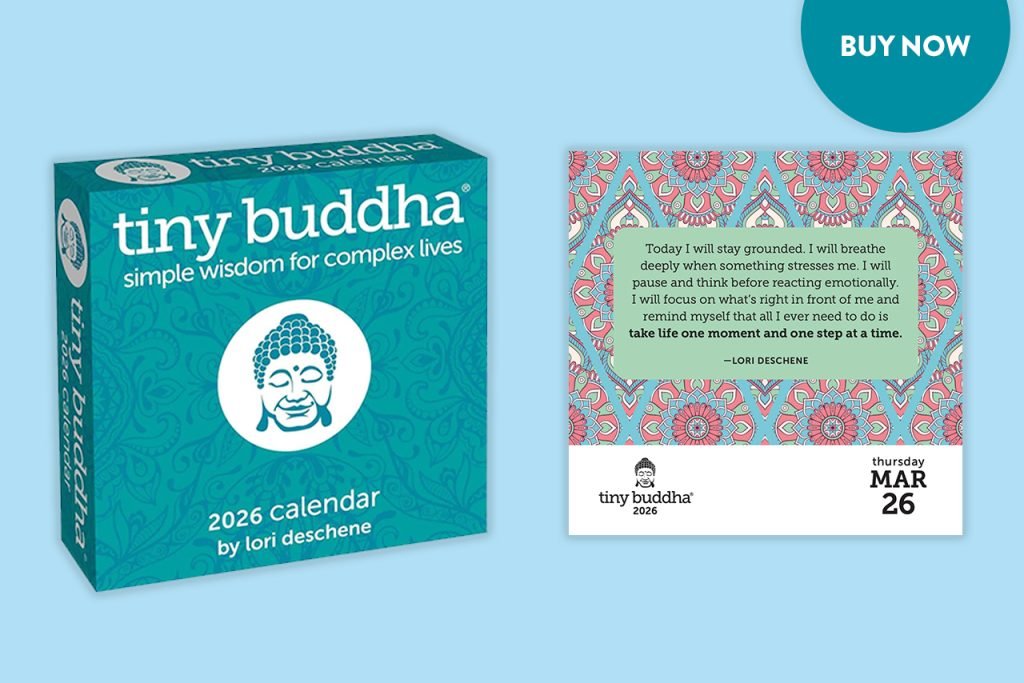
    The 2026 Tiny Buddha Day-to-Day Calendar is Now Available!

    Hi friends! I’m excited to share that the 2026 Tiny Buddha Day-to-Day Calendar is now available for purchase! And equally thrilling, I just found out my calendar was the number one bestseller in the Mind-Body-Spirit category for the last two years.

    Uplifting and comforting, this calendar offers daily reflections from me, Tiny Buddha contributors, and other authors whose quotes have inspired and encouraged me.

    Featuring colorful, patterned tear-off pages, the calendar is printed on FSC certified paper with soy-based ink. Topics include happiness, love, relationships, change, meaning, mindfulness, self-care, letting go, and more.

    Here’s what Amazon reviewers had to say

    Hi friends! I’m excited to share that the 2026 Tiny Buddha Day-to-Day Calendar is now available for purchase! And equally thrilling, I just found out my calendar was the number one bestseller in the Mind-Body-Spirit category for the last two years.

    Uplifting and comforting, this calendar offers daily reflections from me, Tiny Buddha contributors, and other authors whose quotes have inspired and encouraged me.

    Featuring colorful, patterned tear-off pages, the calendar is printed on FSC certified paper with soy-based ink. Topics include happiness, love, relationships, change, meaning, mindfulness, self-care, letting go, and more.

    Here’s what Amazon reviewers had to say about the 2025 calendar:

    “Love this tear off calendar because I actually look forward to reading a new quote each day. Some are very thought provoking, and I like that I can save some quotes to share with others or put on a bulletin board to read again.”

    “I love this calendar. I bought two extra this year for friends and family. There are many helpful and inspiring quotes. Some make me look in the mirror and try to make changes in my life and attitudes. I look forward to reading it daily. Love love love it!”

    “This is, by far, my favorite calendar! The wisdom imparted every day is useful to think about & reflect upon. I buy several of these every year, for the past few years, to share with friends as a Christmas gift. It is always appreciated.”

    “I love this tear-off daily calendar. I put it in my window and read the quote while making my coffee every morning. Great quotes, beautiful colors. Reasonable price. So glad I selected this one!”

    “Every Day this calendar makes me stop and think. My perspective is calmed and improved with a few minutes to become more conscious of my choices in my thoughts. I can’t wait for next year’s calendar.”

    Stay inspired, motivated, and encouraged through the year ahead—grab your copy here!

    About Lori Deschene

    Lori Deschene is the founder of Tiny Buddha. She started the site after struggling with depression, bulimia, c-PTSD, and toxic shame so she could recycle her former pain into something useful and inspire others to do the same. You can find her books, including Tiny Buddha’s Gratitude Journal and Tiny Buddha’s Worry Journal, here and learn more about her eCourse, Recreate Your Life Story, if you’re ready to transform your life and become the person you want to be.

    Get in the conversation! Click here to leave a comment on the site.

  • Soil has hidden antibiotics ready to be found –– and the new race to find them

    Soil has hidden antibiotics ready to be found –– and the new race to find them

    The life in soil is worth more than gold Most bacteria in soil cannot be cultured in the lab, and that has long been a barrier for science. Yet the soil beneath our feet is the world’s largest reservoir of microbial diversity, a hidden ecosystem that could hold cures for drug-resistant infections, insights into climate, […]

    The post Soil has hidden antibiotics ready to be found –– and the new race to find them appeared first on Green Prophet.

    The life in soil is worth more than gold

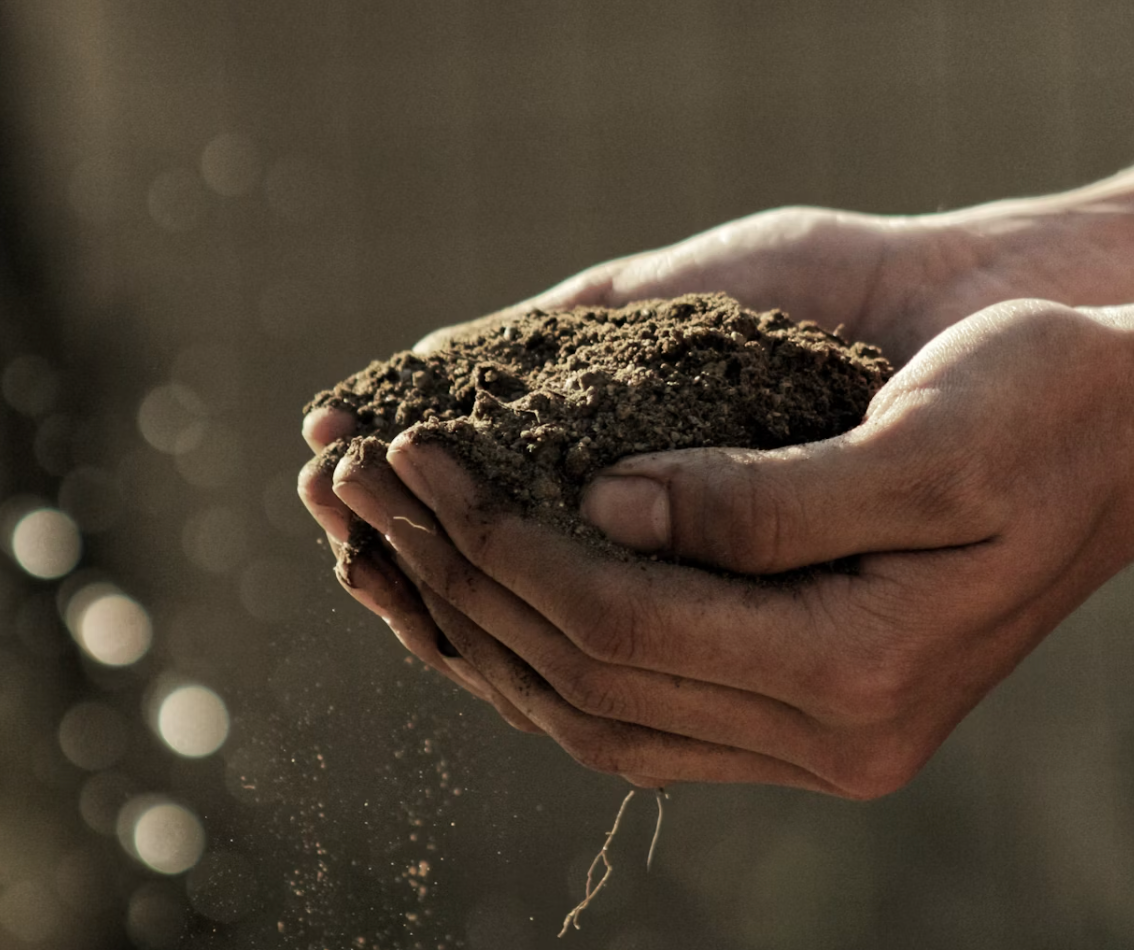
    Most bacteria in soil cannot be cultured in the lab, and that has long been a barrier for science. Yet the soil beneath our feet is the world’s largest reservoir of microbial diversity, a hidden ecosystem that could hold cures for drug-resistant infections, insights into climate, and new tools for sustainable farming. This makes sense considering the “healing” feeling when you are out in nature, in the forest, feet in the soil.

    A new study in Nature Biotechnology may change the way we access that treasure trove.

    Researchers at Rockefeller University have developed a way to extract very large DNA fragments directly from soil, sidestepping the need to grow bacteria in petri dishes. From a single forest soil sample, the team generated hundreds of complete bacterial genomes never seen before, and identified two new antibiotic leads. This could lead to a quick amplification of new leads to powerful and life-saving antibiotics.

    “We finally have the technology to see the microbial world that have been previously inaccessible to humans,” says Sean F. Brady, head of Rockefeller’s Laboratory of Genetically Encoded Small Molecules. “And we’re not just seeing this information; we’re already turning it into potentially useful antibiotics. This is just the tip of the spear.”

    Soil samples

    The method, which pairs soil DNA extraction with long-read nanopore sequencing, allows scientists to recover continuous stretches of DNA tens of thousands of base pairs long. “It’s easier to assemble a whole genome out of bigger pieces of DNA, rather than the millions of tiny snippets that were available before,” Brady adds. “And that makes a dramatic difference in your confidence in your results.”

    Related: Adding Mycorrhizal Fungi to Green Roofs

    Using their approach, the researchers discovered two promising molecules. One, erutacidin, disrupts bacterial membranes through a novel mechanism and is effective against resistant pathogens. The other, trigintamicin, acts on a rare target called ClpX, a protein-unfolding motor. Brady describes the overall strategy as simple but transformative: “Isolate big DNA, sequence it, and computationally convert it into something useful.”

    Soil in the News: Why It Matters Now

    Soil health is making headlines worldwide. A Guardian investigation in late August showed how regenerative farmers are looking at soil microbes under microscopes to improve yields without chemicals. In Israel, regenerative agriculture pilots are testing methods to restore soil biodiversity under real farm conditions. Meanwhile, mega-fires across the Mediterranean this summer highlighted how degraded soils struggle to retain water and recover from climate shocks.

    Soil microbes are not just about crops. They underpin global carbon cycles, water retention, and climate stability. As this study shows, they may also be humanity’s best source of new medicines. If foresters like in Canada keep pouring chemicals like glyphosate weed killers on forests, how can we expect the soil to thrive?

    Related: A museum for Middle East soil

    For regenerative agriculture, the lesson is clear: as Woody Harrelson says preserving soil biodiversity preserves opportunity. Degraded soils lose microbial richness, shrinking both ecosystem function and the chance to discover new bioactive molecules. Practices like cover cropping, composting, and reduced tillage foster microbial life, keeping the “dark matter” of the soil alive and accessible.

    “All over the world there’s this hidden ecosystem of microbes that could have dramatic effects on our lives,” Brady notes. The Rockefeller team’s discovery makes that invisible world visible — but keeping it healthy is a job for all of us.


    The post Soil has hidden antibiotics ready to be found –– and the new race to find them appeared first on Green Prophet.

  • HIV donors give their bodies in a new science experiment

    HIV donors give their bodies in a new science experiment

    In the global effort to cure HIV, one of the biggest scientific barriers is locating the virus’s reservoirs — hidden sites in the body where HIV can lie dormant, invisible to antiretroviral therapy (ART). The Last Gift Study, conducted by UC San Diego and collaborators, offers a novel way forward.

    The post HIV donors give their bodies in a new science experiment appeared first on Green Prophet.

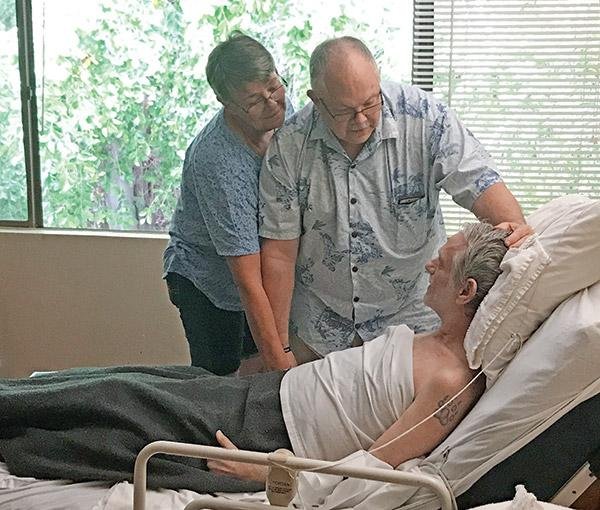
    ‘As a long-term survivor, I care deeply about the HIV community, and I am thankful for the opportunity to participate and provide this Last Gift to my people.’ Tony Bennett (above, surrounded by his partner Blake and a cousin) was the first to take part in The Last Gift.

    ‘As a long-term survivor, I care deeply about the HIV community, and I am thankful for the opportunity to participate and provide this Last Gift to my people.’ Tony Bennett (above, surrounded by his partner Blake and a cousin) was the first to take part in The Last Gift.

    In the global effort to cure HIV, one of the biggest scientific barriers is locating the virus’s reservoirs — hidden sites in the body where HIV can lie dormant, invisible to antiretroviral therapy (ART). The Last Gift Study, conducted by UC San Diego and collaborators, offers a novel way forward. Terminally ill people living with HIV consent to rapid autopsies within hours of their death, allowing researchers to map in unprecedented detail where HIV hides.

    The study has conducted 42 rapid autopsies so far. These autopsies allow scientists to sample various tissues soon after death, before decomposition obscures anatomical details or viral localization. Researchers have identified HIV reservoirs in jejunum, lymph nodes, the male genital tract, among other places.

    Heat diagram of the body organs with the relative abundances of HIV virions. Red compartments (stomach, intestines, lymph nodes) indicate higher levels of HIV, while orange compartments (liver, brain, and kidney) have less viral load.

    Participants are usually on ART before death. The data allow comparison between what ART suppresses in the living and what is still detectable in tissues post-mortem.

    Testimonies from participants show powerful motivations: altruism, leaving a legacy, belief in scientific progress. For example, in Positively Aware, a participant “My death will not be in vain. It will allow me to leave a positive legacy and inspire others to give back.” (positivelyaware.com)

    So far, the study is offering insights that are otherwise nearly impossible — especially about HIV reservoirs in less accessible tissues (brain, gut, lymphoid tissue, genital tract). These insights are crucial for designing cure strategies that truly address latent virus, not just what’s visible in blood.

    Ethical and Social Concerns

    Despite its scientific promise, the Last Gift Study raises several ethical questions:

    Consent around end of life: Are people who are terminally ill fully able to understand and consent to what donating their body will entail, especially the autopsy within hours after death? Critics argue that emotional state, pain, grief, or diminished capacity may interfere.

    Translatability: Even if HIV reservoirs are mapped, will that lead to therapies that can reach them safely, or in all populations?

    Community engagement and oversight: The study has a community advisory board, which helps ensure the voices of people with HIV are included. But vigilance is needed to maintain transparency.

    Body donation is a sensitive topic. Public and media reports in recent years have exposed abuses and misuses in the world of body (cadaver) donation, which risk undermining trust. A few examples:

    Reuters reported how Science Care, a U.S. company, earned over $27 million annually recruiting body donors “through hospices, clergy and online ads,” and then selling or distributing body parts for profit. For many donors or next of kin, the possibility that donated bodies are being used in profit-making operations is very disturbing.

    When people hesitate to donate their body for science — whether because of religious beliefs, cultural taboos, fear of misuse, or simply distrust — studies like Last Gift may find it harder to enroll participants. This could slow or even stall progress in cure research.

    Green Prophet Past Coverage & Related Concerns

    Green Prophet has covered similar issues of medical ethics, public health, and trust in science. Some previous articles that readers may consult:

    AIDS from Baby Gaga breast-milk ice cream?

    AIDS cured with Egypt’s magical “kebab” machine, army claims video — unpacking false “miracle cures” and the danger of misinformation.

    The post HIV donors give their bodies in a new science

  • Eat for your eyes and against cancer –– the power of zeaxanthin

    Eat for your eyes and against cancer –– the power of zeaxanthin

    Zeaxanthin is already sold as an over-the-counter supplement, but getting it from food is safer and more enjoyable. Unlike synthetic pills, food provides a synergistic mix of vitamins, fibers, and bioactive compounds. As Chen explains, this discovery is still in the early stages, but it “opens a new field of nutritional immunology” where everyday food choices can directly influence the immune system.

    The post Eat for your eyes and against cancer –– the power of zeaxanthin appeared first on Green Prophet.

    Scientists at the University of Chicago have found that zeaxanthin, a plant-derived carotenoid best known for keeping our eyes sharp, may also act as an immune-boosting compound that helps the body fight cancer. The new study, published in Cell Reports Medicine, shows that zeaxanthin strengthens cancer-fighting immune cells and may even improve the success of modern immunotherapies.

    “We were surprised to find that zeaxanthin, already known for its role in eye health, has a completely new function in boosting anti-tumor immunity,” said Jing Chen, PhD, senior author of the study.

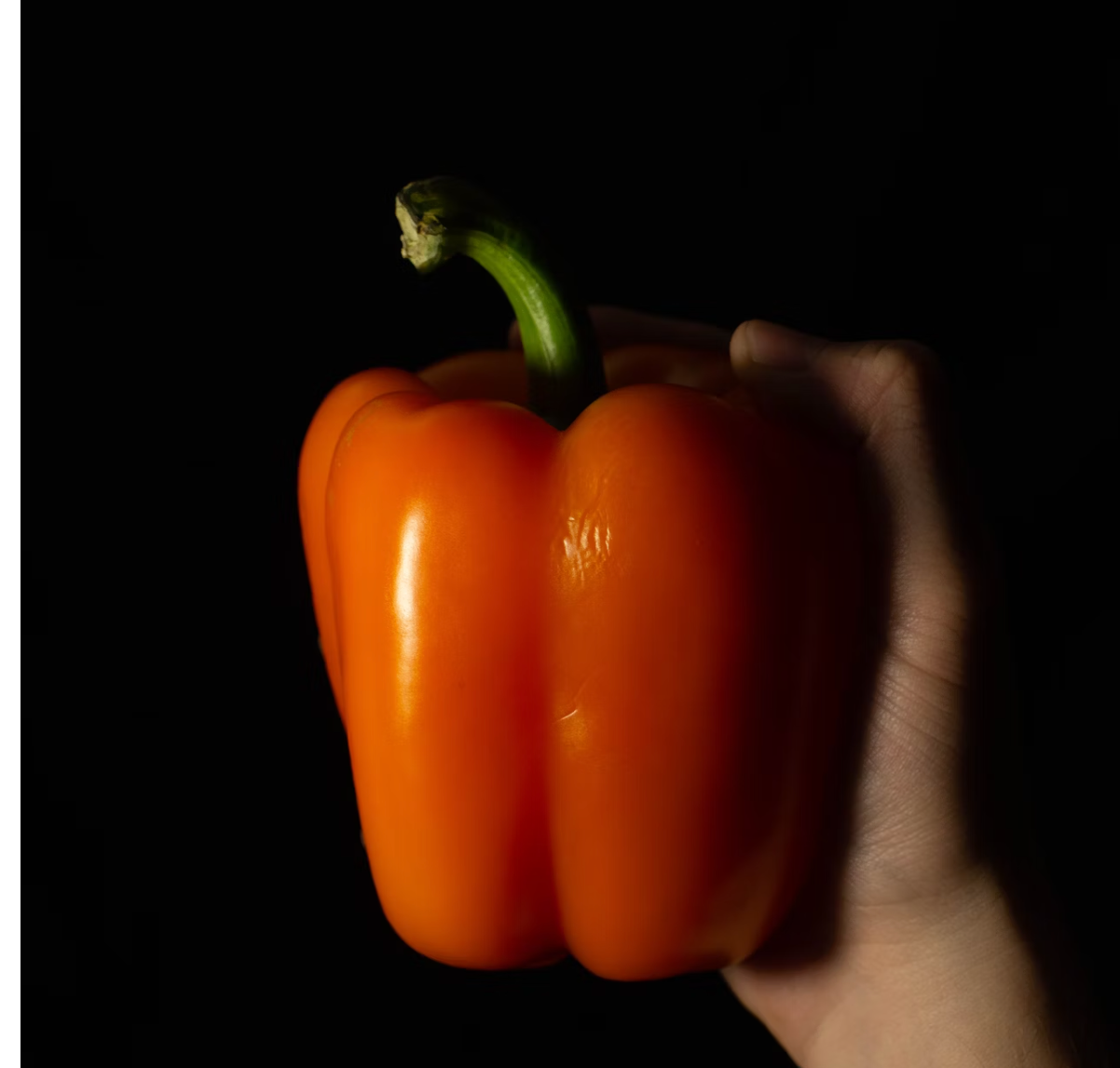
    This discovery adds one more reason to eat your greens (and your oranges and reds too). Zeaxanthin is found in spinach, kale, and orange peppers—but the way we cook and combine these vegetables can make them even more delicious and bioavailable.

    Foods Rich in Zeaxanthin

    • Orange peppers – one of the richest sources.

    • Kale and spinach – leafy greens with a high concentration.

    • Corn and egg yolks – also reliable sources.

    When eaten regularly, these foods don’t just protect your eyes from age-related macular degeneration; they may now also help prime your immune system against cancer.

    Recipe Ideas for Daily Protection

    Muhammara (Red Pepper and Walnut Dip)

    Muhammara recipe from Syria

    This classic Levantine dip uses roasted red peppers—packed with carotenoids like zeaxanthin—blended with walnuts, pomegranate molasses, and spices. It’s a vibrant, smoky spread you can enjoy with fresh bread or veggies.

    👉 Try our Muhammara recipe on Green Prophet.

    Stuffed Orange Peppers

    Pick the orange ones and stuff them

    Fill halved orange peppers with quinoa, lentils, herbs, and a touch of feta. Bake until tender. This dish is both eye-catching and immune-friendly.

    👉 For ideas, see stuffed vegetable recipes on Green Prophet.

    Make Turkish Red Pepper Paste

    If you love Turkish food and crave its flavors at home, you’ll soon find yourself stirring up the Turkish pantry staple, spicy red pepper paste. It’s a basic flavoring ingredient for many dishes in southern Turkish cuisine. There are no tomatoes in the paste; its deep red color comes from slow-cooking red bell peppers and chilies. The ingredients are simple, but the finished paste gives your food spicy complexity. Get the recipe here.

    Zeaxanthin is already sold as an over-the-counter supplement, but getting it from food is safer and more enjoyable. Unlike synthetic pills, food provides a synergistic mix of vitamins, fibers, and bioactive compounds. As Chen explains, this discovery is still in the early stages, but it “opens a new field of nutritional immunology” where everyday food choices can directly influence the immune system. While clinical trials are still needed, the takeaway is simple: put more orange peppers, leafy greens, and corn on your plate.

    Your eyes will thank you now, and your immune system may thank you later.

    The post Eat for your eyes and against cancer –– the power of zeaxanthin appeared first on Green Prophet.