Blog

  • Sea Moss: The New Superfood, Or Just A Trend?

    Sea Moss: The New Superfood, Or Just A Trend?

    Sea moss became the new super-food when Kim Kardashion started talking about blending it into her smoothies. Fans following the trend claim that sea moss gives skin a new glow, raises energy, helps with weight loss, and keeps digestion, er, moving along. While it’s nice to think that a jar of mango or strawberry-flavored sea […]

    The post Sea Moss: The New Superfood, Or Just A Trend? appeared first on Green Prophet.

    sea moss gel

    Sea moss became the new super-food when Kim Kardashion started talking about blending it into her smoothies. Fans following the trend claim that sea moss gives skin a new glow, raises energy, helps with weight loss, and keeps digestion, er, moving along. While it’s nice to think that a jar of mango or strawberry-flavored sea moss gel can change your life, it’s worth taking a closer look at the product before you invest your hard-earned bucks.

    People living by the sea have gathered seaweeds for thousands of years as free and healthy food. Nowadays you can buy many varieties of seaweeds at the supermarket. Think of sushi, which is rice wrapped in nori seaweed. All good stuff, as long as you can be sure that the seaweed you buy has been sustainably harvested from pollution-free waters. More on that later. We’ve also posted about the benefits of a different superfood, spirulina.

    Commercially manufactured sea moss can come from different kinds of seaweed, although usually it’s the type known as Irish moss, or red algae. It’s soaked until the fronds become soft, then processed into gel, powder, gummies and capsules. It’s easy to blend into soups or smoothies, as gel or in powdered form.

    Sea moss offers plenty of life-enhancing minerals and vitamins: calcium, folate, magnesium, vitamin K, and zinc, and iodine, a mineral essential for a healthy thyroid gland. It’s a natural source of carrageenan: a thickening and emulsifying agent in yogurt and ice cream, and non-dairy milks. Sea moss provides fiber too.

    Yet too much iodine-rich sea moss can be harmful. Eating seaweeds in time-honored traditional ways is one thing; mixing a couple of tablespoons of gel into something liquid is another; and taking sea moss supplements is another thing yet.

    Discussing sea moss supplements, registered dietitian Leah Oldham, at the Henry Ford Health center, Michigan, explains:

    “Some types of sea moss contain very high levels of iodine, and you could get more than your daily limit without realizing it. Going above the daily upper limits of iodine can lead to goiter, or an enlarged thyroid. The upper limit for adults is 1,100 mcg, but it’s less for children and teens.”

    Seafoods, dairy, and eggs have iodine. Even some fruit and vegetables offer iodine: cranberries, strawberries, beans, spinach, and garlic are some. You could hardly overdose on iodine from eating normal amounts of fresh produce.

    “Sea moss supplements seem like an easy way to get the benefits of sea moss without the taste,” continues Oldham. “The problem is that the Food and Drug Administration does not regulate supplements, so you don’t always know what you’re getting.” Here we’re looking at the possibility of fillers and other un-labelled ingredients.

    Oldham adds that sea moss growing in waters polluted with industrial runoff, heavy metals, and chemicals will naturally absorb all that garbage. If you if you’re interested in trying sea moss, look for brands that promise organic.

    sea moss

    Blending two tablespoons of sea moss gel into your morning smoothie may safely fulfill the promise of boosted health and beauty. There are lots of glowing enthusiastic claims made for those benefits. But sea moss isn’t for everyone.

    People taking medications for thyroid, high blood pressure, and potassium-sparing diuretics risk unpredictable interactions between sea moss and their meds. Sea moss may have blood-thinning properties, so those taking blood-thinning medication should avoid it.

    Too much sea moss in your diet can cause nausea, vomiting, and diarrhea. Take no more than the standard 2 tablespoons of gel daily. It hasn’t been determined if sea moss supplements are safe for pregnant and breastfeeding people. Talk to your health practitioner before starting to supplement your diet with sea moss.

    There isn’t enough research to validate claims that sea moss can slow the progress of Parkinson’s disease. True, there’s research on treating stiff, slow-moving worms with sea moss. No conclusions reached as to the possible effect on stiff, slow-moving humans.

    Best, of course, is to eat a normal culinary portion of seaweed when you can. Are you lucky enough to harvest fresh sea moss from an unpolluted beach? Then you can make your own, safe gel. Here’s a recipe from webmd.com:

    First, wash the sea moss and then soak it in cold water for a full day, changing the water frequently and removing any dirt you see. You can leave this on your kitchen counter to soak, as you don’t need to refrigerate it.

    You’ll know your sea moss is ready to use when it’s doubled in size and has become white and jelly-like.
    Once it’s ready, put the sea moss, along with some water, into a blender and blend until smooth. Start with 1 cup of water and add more if the mixture is too thick.Then refrigerate for at least 2 hours, which will thicken it some more.

    Once you have your prepared sea moss, you can store it in the fridge for up to 2 weeks and use it in recipes. For instance: smoothies, soups, stews, baked goods.

    You can also make sea moss gel from sea moss powder by blending 1/4 cup of powder with 2 cups of hot (not boiling) water in your blender. Cool the mixture and store it in your refrigerator.


    Photo of fresh dried sea moss by Plateresca, Getty Images

    The post Sea Moss: The New Superfood, Or Just A Trend? appeared first on Green Prophet.

  • When Love Isn’t Enough: How I Found Healing After Emotional Abuse

    When Love Isn’t Enough: How I Found Healing After Emotional Abuse

    “You can’t save someone who isn’t willing to participate in their own rescue.” ~Unknown

    You and I have been doing the work. Talking. Writing. Processing.

    Everything I’m focused on right now—in my healing, in my spirit, in my writing—is love. Becoming love. Living in love. Returning to love.

    And yet, there’s a chapter of my life that continues to whisper to me: Why wasn’t love enough?

    I spent nine years in a relationship that left me anxious, confused, and small. I was always on edge. Walking on eggshells, never knowing whether I’d be met with affection or fury. He …

    “Don’t believe everything you hear—even in your own mind.” – Daniel G. Amen

    This quote might sound like something you’d read on a coffee mug or an Instagram quote slide. But when your own mind is feeding you a 24/7 stream of terrifying, intrusive thoughts? That little phrase becomes a survival strategy.

    Sure, I have lots of strategies now. But they weren’t born from a gentle spiritual awakening or a peaceful walk in the woods. They were born out of a relentless, knock-down, drag-out fight with obsessive-compulsive disorder (OCD). A fight that started when I was a kid and stole years of my life.

    Let me be blunt: OCD is not quirky or cute. It’s not about liking things tidy or being “a little type A.” It’s a full-body, panic-inducing disorder where your brain screams, “You are in danger!”—even when there’s no actual threat.

    It’s counting in desperate loops. It’s having rituals you don’t understand but can’t stop doing. It’s fear that feels like a gun pointed between your eyes, triggered by nothing more than a thought. I know because I have OCD, or I guess I should say “had” OCD.

    Life with OCD: A War Inside My Head

    From the time I was young, my brain was hijacked by fear. Fears that something terrible would happen. That I’d lose people I loved. That I’d be misunderstood, unworthy, unforgivable. These thoughts didn’t just whisper—they screamed. And my body listened: sweaty palms, racing heart, shallow breath. Over and over, even though nothing was really wrong.

    To cope, I created rituals—compulsions that promised relief but never delivered. I’d roll my neck a certain way, flex my wrists, blink, swallow, count in rapid-fire succession—anything to feel right again. But it never really worked. Four was my magic number for a long time. I could fly through sixty-four sets of four faster than you’d believe. Still, the anxiety roared back every time.

    Want a picture of what this looked like? Here’s one from high school: I’m sitting at the kitchen table. I glance—again—at the round straw basket on the wall. I roll my neck, flex both wrists, blink, swallow. Damn it. Not right. I start the sequence again. One-two-three-four. One-two-three-four. Again. And again. Four sets of four, done four times. Still not right. I’m drowning in invisible urgency while everyone else is just trying to eat dinner.

    I had objects in every room of the house, each one assigned to a ritual. A cherry wood clock. The edge of a curtain rod. A fluorescent light tile. I didn’t choose this. I didn’t even understand it. And I definitely didn’t enjoy it. OCD stole my time, my energy, and my sanity. If I didn’t do the rituals, I was consumed by dread. If I did them, they were never good enough. It was a damned-if-you-do, damned-if-you-don’t existence.

    Thoughts That Terrified Me

    The content of my fears changed over time, but the intensity didn’t. Sometimes the dread was vague. Sometimes it was specific and disturbing—violent images, inappropriate sexual thoughts, blasphemous phrases. I obsessed that I’d pick up a knife and hurt someone. That someone I loved would die because I breathed the wrong way.

    I couldn’t write without rewriting. I couldn’t look in a mirror without fearing I’d become vain. I drew invisible lines on the floor to protect people. I had to sit a certain way, speak a certain way, think a certain way. And God help me if a “bad” thought popped into my head mid-ritual—I had to start all over again.

    At one point in college, while stuck in an endless loop of trying to put a piece of paper in a folder “just right,” I ended up stabbing a pencil into my thigh out of sheer mental exhaustion.

    I truly believed I was broken.

    Finding a Name—and a Way Out

    I didn’t even know it was OCD until I stumbled across a book and then saw a video showing other people’s compulsions. It was a holy shit moment. You mean someone else can’t fold a towel just once either?

    Once I had a name for what was happening, I could begin to untangle it. I learned that my brain was sending false messages—and that I didn’t have to obey them. A psychiatrist once explained it with a triangle: Most people’s thoughts bounce between points and move on. Mine got stuck in the triangle and just spun endlessly.

    Knowing that helped. But what really changed everything was discovering mantras.

    How Mantras Helped Me Rewire My Brain

    My mom—who also struggled with OCD—started making up little phrases with me to cut through the noise. The one that changed everything?

    “That’s a brain glitch. I don’t have to pay attention to that.”

    It sounds simple, but that phrase became a mental lifeline. It helped me step back, call out the OCD lie, and redirect my focus. It was a way to challenge the urgency of the thought without getting pulled into the ritual. And it worked—not overnight, but consistently, over time.

    Then I read Brain Lock by Jeffrey Schwartz, which broke down the exact same strategy: identify the thought, reattribute it, and refocus. I realized—I’d already been doing that with my mantras. They were helping me rewire my mind. That realization was empowering. I wasn’t just surviving anymore. I was retraining my brain.

    Mantras, OCD, and the Messy Middle of Healing

    Slowly, imperfectly, I stopped fighting my thoughts and started getting curious about them. I began to notice how fear hooked me—and how I didn’t have to take the bait.

    My mantras started piling up on sticky notes everywhere. They were grounding. Sometimes funny. Sometimes serious. Sometimes just sarcastic enough to cut through the noise in my head. But they worked. They reminded me of what was true. They gave me just enough space to respond differently.

    Because here’s the thing: OCD doesn’t run my life anymore. Sure, the tendencies still flare up under stress—but I have tools now. I have perspective. And I have mantras.

    Not the fluffy kind that pretends everything is fine. The gritty, scrappy, fiercely compassionate kind that says:

    • Yes, your brain is being loud right now—and you’re still allowed to rest.
    • Uncertainty is uncomfortable, not dangerous.
    • You are not your brain.
    • You can let go. Even if you have to do it a hundred times.

    If you’re someone who struggles with relentless thoughts—whether it’s OCD, anxiety, or just the everyday noise of being human—I hope this inspires you to craft your own phrases, rooted in your values and the kind of life you want to move toward, or mantras that remind you to ignore that harsh inner critic and the fears that lurk in your mind.

    You’re not alone.

    Your thoughts are not always true.

    And you are allowed to let go of thoughts that do not serve you.

    Even if you have to let go over and over and over again. That’s okay. That’s the work.

    Don’t believe everything you think. But start believing that you can heal.

    About Helene Zupanc

    Helene Zupanc is a licensed professional counselor in Arizona, currently specializing in OCD treatment.  She recently cowrote and published Sticky Note Mantras: The Art and Science of Choosing Your Thoughts. Visit her at stickynotemantras.com and on Facebook, Instagram, and TikTok.

    Get in the conversation! Click here to leave a comment on the site.

  • Relief from Relentless Thoughts: Reclaiming My Mind from OCD

    Relief from Relentless Thoughts: Reclaiming My Mind from OCD

    “Don’t believe everything you hear—even in your own mind.” – Daniel G. Amen

    This quote might sound like something you’d read on a coffee mug or an Instagram quote slide. But when your own mind is feeding you a 24/7 stream of terrifying, intrusive thoughts? That little phrase becomes a survival strategy.

    Sure, I have lots of strategies now. But they weren’t born from a gentle spiritual awakening or a peaceful walk in the woods. They were born out of a relentless, knock-down, drag-out fight with obsessive-compulsive disorder (OCD). A fight that started when I was a kid and stole …

    “Don’t believe everything you hear—even in your own mind.” – Daniel G. Amen

    This quote might sound like something you’d read on a coffee mug or an Instagram quote slide. But when your own mind is feeding you a 24/7 stream of terrifying, intrusive thoughts? That little phrase becomes a survival strategy.

    Sure, I have lots of strategies now. But they weren’t born from a gentle spiritual awakening or a peaceful walk in the woods. They were born out of a relentless, knock-down, drag-out fight with obsessive-compulsive disorder (OCD). A fight that started when I was a kid and stole years of my life.

    Let me be blunt: OCD is not quirky or cute. It’s not about liking things tidy or being “a little type A.” It’s a full-body, panic-inducing disorder where your brain screams, “You are in danger!”—even when there’s no actual threat.

    It’s counting in desperate loops. It’s having rituals you don’t understand but can’t stop doing. It’s fear that feels like a gun pointed between your eyes, triggered by nothing more than a thought. I know because I have OCD, or I guess I should say “had” OCD.

    Life with OCD: A War Inside My Head

    From the time I was young, my brain was hijacked by fear. Fears that something terrible would happen. That I’d lose people I loved. That I’d be misunderstood, unworthy, unforgivable. These thoughts didn’t just whisper—they screamed. And my body listened: sweaty palms, racing heart, shallow breath. Over and over, even though nothing was really wrong.

    To cope, I created rituals—compulsions that promised relief but never delivered. I’d roll my neck a certain way, flex my wrists, blink, swallow, count in rapid-fire succession—anything to feel right again. But it never really worked. Four was my magic number for a long time. I could fly through sixty-four sets of four faster than you’d believe. Still, the anxiety roared back every time.

    Want a picture of what this looked like? Here’s one from high school: I’m sitting at the kitchen table. I glance—again—at the round straw basket on the wall. I roll my neck, flex both wrists, blink, swallow. Damn it. Not right. I start the sequence again. One-two-three-four. One-two-three-four. Again. And again. Four sets of four, done four times. Still not right. I’m drowning in invisible urgency while everyone else is just trying to eat dinner.

    I had objects in every room of the house, each one assigned to a ritual. A cherry wood clock. The edge of a curtain rod. A fluorescent light tile. I didn’t choose this. I didn’t even understand it. And I definitely didn’t enjoy it. OCD stole my time, my energy, and my sanity. If I didn’t do the rituals, I was consumed by dread. If I did them, they were never good enough. It was a damned-if-you-do, damned-if-you-don’t existence.

    Thoughts That Terrified Me

    The content of my fears changed over time, but the intensity didn’t. Sometimes the dread was vague. Sometimes it was specific and disturbing—violent images, inappropriate sexual thoughts, blasphemous phrases. I obsessed that I’d pick up a knife and hurt someone. That someone I loved would die because I breathed the wrong way.

    I couldn’t write without rewriting. I couldn’t look in a mirror without fearing I’d become vain. I drew invisible lines on the floor to protect people. I had to sit a certain way, speak a certain way, think a certain way. And God help me if a “bad” thought popped into my head mid-ritual—I had to start all over again.

    At one point in college, while stuck in an endless loop of trying to put a piece of paper in a folder “just right,” I ended up stabbing a pencil into my thigh out of sheer mental exhaustion.

    I truly believed I was broken.

    Finding a Name—and a Way Out

    I didn’t even know it was OCD until I stumbled across a book and then saw a video showing other people’s compulsions. It was a holy shit moment. You mean someone else can’t fold a towel just once either?

    Once I had a name for what was happening, I could begin to untangle it. I learned that my brain was sending false messages—and that I didn’t have to obey them. A psychiatrist once explained it with a triangle: Most people’s thoughts bounce between points and move on. Mine got stuck in the triangle and just spun endlessly.

    Knowing that helped. But what really changed everything was discovering mantras.

    How Mantras Helped Me Rewire My Brain

    My mom—who also struggled with OCD—started making up little phrases with me to cut through the noise. The one that changed everything?

    “That’s a brain glitch. I don’t have to pay attention to that.”

    It sounds simple, but that phrase became a mental lifeline. It helped me step back, call out the OCD lie, and redirect my focus. It was a way to challenge the urgency of the thought without getting pulled into the ritual. And it worked—not overnight, but consistently, over time.

    Then I read Brain Lock by Jeffrey Schwartz, which broke down the exact same strategy: identify the thought, reattribute it, and refocus. I realized—I’d already been doing that with my mantras. They were helping me rewire my mind. That realization was empowering. I wasn’t just surviving anymore. I was retraining my brain.

    Mantras, OCD, and the Messy Middle of Healing

    Slowly, imperfectly, I stopped fighting my thoughts and started getting curious about them. I began to notice how fear hooked me—and how I didn’t have to take the bait.

    My mantras started piling up on sticky notes everywhere. They were grounding. Sometimes funny. Sometimes serious. Sometimes just sarcastic enough to cut through the noise in my head. But they worked. They reminded me of what was true. They gave me just enough space to respond differently.

    Because here’s the thing: OCD doesn’t run my life anymore. Sure, the tendencies still flare up under stress—but I have tools now. I have perspective. And I have mantras.

    Not the fluffy kind that pretends everything is fine. The gritty, scrappy, fiercely compassionate kind that says:

    • Yes, your brain is being loud right now—and you’re still allowed to rest.
    • Uncertainty is uncomfortable, not dangerous.
    • You are not your brain.
    • You can let go. Even if you have to do it a hundred times.

    If you’re someone who struggles with relentless thoughts—whether it’s OCD, anxiety, or just the everyday noise of being human—I hope this inspires you to craft your own phrases, rooted in your values and the kind of life you want to move toward, or mantras that remind you to ignore that harsh inner critic and the fears that lurk in your mind.

    You’re not alone.

    Your thoughts are not always true.

    And you are allowed to let go of thoughts that do not serve you.

    Even if you have to let go over and over and over again. That’s okay. That’s the work.

    Don’t believe everything you think. But start believing that you can heal.

    About Helene Zupanc

    Helene Zupanc is a licensed professional counselor in Arizona, currently specializing in OCD treatment.  She recently cowrote and published Sticky Note Mantras: The Art and Science of Choosing Your Thoughts. Visit her at stickynotemantras.com and on Facebook, Instagram, and TikTok.

    Get in the conversation! Click here to leave a comment on the site.

  • Shifting Out of Survival Mode: Healing Happens One Choice at a Time

    Shifting Out of Survival Mode: Healing Happens One Choice at a Time

    “When we are no longer able to change a situation, we are challenged to change ourselves.” ~Viktor Frankl

    It started as a faint hum—a sense of unease that crept in during the isolation of the pandemic. I was a licensed therapist working from home, meeting with clients through a screen. Together, we were navigating a shared uncertainty, trying to cope as the world shifted beneath us.

    I could feel the weight of their anxiety as they talked about their spiraling thoughts and struggles to feel grounded. What I didn’t realize then was how much of their turmoil was a reflection …

    “When we are no longer able to change a situation, we are challenged to change ourselves.” ~Viktor Frankl

    It started as a faint hum—a sense of unease that crept in during the isolation of the pandemic. I was a licensed therapist working from home, meeting with clients through a screen. Together, we were navigating a shared uncertainty, trying to cope as the world shifted beneath us.

    I could feel the weight of their anxiety as they talked about their spiraling thoughts and struggles to feel grounded. What I didn’t realize then was how much of their turmoil was a reflection of my own.

    During those months, I gave my clients all the tools I knew. We talked about mindfulness, grounding exercises, and ways to reconnect with a sense of safety. But the truth? These conversations often felt hollow. It wasn’t that the tools didn’t work in theory—it was that they didn’t land in the body. Fear, disconnection, and panic had rooted themselves deeper than words could reach.

    I began to think, “What would it take for us to truly feel safe again—not just talk about it?” That question became the seed of a larger realization, one that would shift my focus entirely.

    The Missing Piece 

    Years ago, when I first trained as a therapist, I learned about bilateral stimulation (BLS). At its core, it’s a method of gently guiding the brain to process emotions through rhythmic left-right movement. You’ve probably done it yourself, without realizing it—tapping each knee while stressed or walking back and forth to clear your head.

    Clinically, BLS is used in therapies like EMDR (Eye Movement Desensitization and Reprocessing), which helps people process trauma in a way that feels safer and more contained.

    The science behind it is remarkable, but what truly struck me was how intuitive it felt. Trauma often leaves us stuck—in our minds, in our bodies, and in our fight-or-flight response. BLS created subtle shifts, allowing people to process without getting overwhelmed. It was a solution that existed not just in the mind but also in the nervous system.

    Still, I hesitated to fully explore using it beyond therapy rooms. My focus was on the tools within my comfort zone—strategies, worksheets, and techniques that worked well enough. But everything changed when the hurricane hit.

    When Trauma Becomes Personal 

    Hurricane Helene arrived when we were already worn thin. My community in Western North Carolina was still grappling with the fallout of the pandemic, and now, this immense storm came to claim what little stability we had left.

    The destruction wasn’t just physical—it was emotional. Entire neighborhoods were uprooted, including mine. I found myself not as a therapist observing trauma, but as a human immersed in it. Days turned into weeks of survival mode. Displaced families. Empty cupboards. Sleepless nights listening to the rain pound against temporary roofs. My own nervous system was in constant overdrive—frozen between fear and exhaustion.

    And yet, in the fragmented moments of stillness, I noticed something. Healing wasn’t happening in grand gestures or revelations. It was in the small, quiet choices to keep moving forward—packing what I could salvage, helping a neighbor clear debris, or holding my daughter’s hand as we waited in line for supplies. It struck me how easy it is to feel powerless after trauma. Everything feels broken. But healing isn’t about fixing everything at once. Sometimes, it starts with reshaping one moment.

    Lessons from the Debris 

    Trauma changes us. It rewires not only how we view the world but also how we feel within it. I’ve worked with countless clients stuck in the aftermath of trauma—unable to sleep, flooded by overthinking, fearing everything will fall apart again. I thought I understood what it meant to feel this way. Living through the hurricane taught me just how layered and consuming it can be.

    What I learned, though, is that healing is possible. It doesn’t come with a single moment of clarity but rather through consistent, small acts of care. Here are the lessons I carried from that time, ones that I hope may help you too if you’re feeling stuck in survival mode.

    1. Your body speaks—start listening. 

    Trauma often lives in the body long after the event has passed. It’s easy to ignore the signals your body sends—tightness in the chest, a restless mind, or even chronic fatigue. But healing starts with awareness.

    Take note of how you physically feel when panic strikes. Are your shoulders tense? Is your breathing shallow? Engage in small practices to reset your body’s rhythm, like walking, stretching, or even tapping your hands alternately on your thighs.

    2. Safety is built, not found. 

    After trauma, our nervous systems often stay in survival mode, scanning for the next threat. This makes it hard to trust—others, ourselves, or even moments of calm. Rebuilding a sense of safety takes time and consistency.

    Find routines that ground you, like starting your day with a cup of tea or ending it with journaling. These rituals remind your nervous system that you’re not in immediate danger anymore—that it’s okay to exhale.

     3. Healing requires community. 

    One of the hardest things about trauma is the isolation it brings. Whether it’s pride, shame, or sheer exhaustion, it often feels easier to close yourself off. But connection is where healing happens.

    During the aftermath of the hurricane, it was the smallest gestures from community members—sharing meals, checking in, or listening—that reminded me I wasn’t alone. Don’t be afraid to reach out or accept help, no matter how small it feels.

    4. Reset as many times as you need. 

    Healing isn’t linear. You’ll have good days and hard ones, moments of clarity followed by setbacks. That’s okay. The key is learning to pause when you need to rather than pushing through. Whether it’s a deep breath, a short walk, or time to process your emotions, each pause is a chance to reset and start again.

    Moving Forward, One Step at a Time 

    The hurricane didn’t just strip away homes—it also stripped away my old idea of what it means to heal. I used to think it was something that happened after the chaos subsided, when everything was back in order. But I’ve learned that healing works differently. It happens in the middle of the mess, through small, brave acts that remind you you’re still here. You’re still trying.

    Whether you’ve lived through a storm, a personal loss, or a chapter filled with uncertainty, know this: healing isn’t about the destination. It’s about the choices you make in the moment—the choice to pause, to breathe, to ask for help, or to forgive yourself for not having it all figured out. One quiet, powerful choice at a time, you can rebuild.

    About Erin Vandermore

    Erin Vandermore is a licensed clinical mental health counselor and founder of Helene Therapy Network. Drawing on her personal experiences with trauma and her work as a therapist, Erin shares insights to inspire healing and resilience. When not working on mental health initiatives, she loves hiking in the mountains of Western North Carolina. You can connect with her on @mindcircuitapp, or read more of her work at mindcircuit.org.

    Get in the conversation! Click here to leave a comment on the site.

  • Feta and Brie Cooked in Grapevine Leaves

    Feta and Brie Cooked in Grapevine Leaves

    For an easy, luscious appetizer, wrap a semi-firm white cheese like Brie or feta in grapevine leaves and bake or grill it. It’s a delicious way to make the most of a few grapevine leaves left in the jar after you made mushrooms cooked in grapevine leaves or grilled fish.. The cheese becomes subtly flavored […]

    The post Feta and Brie Cooked in Grapevine Leaves appeared first on Green Prophet.

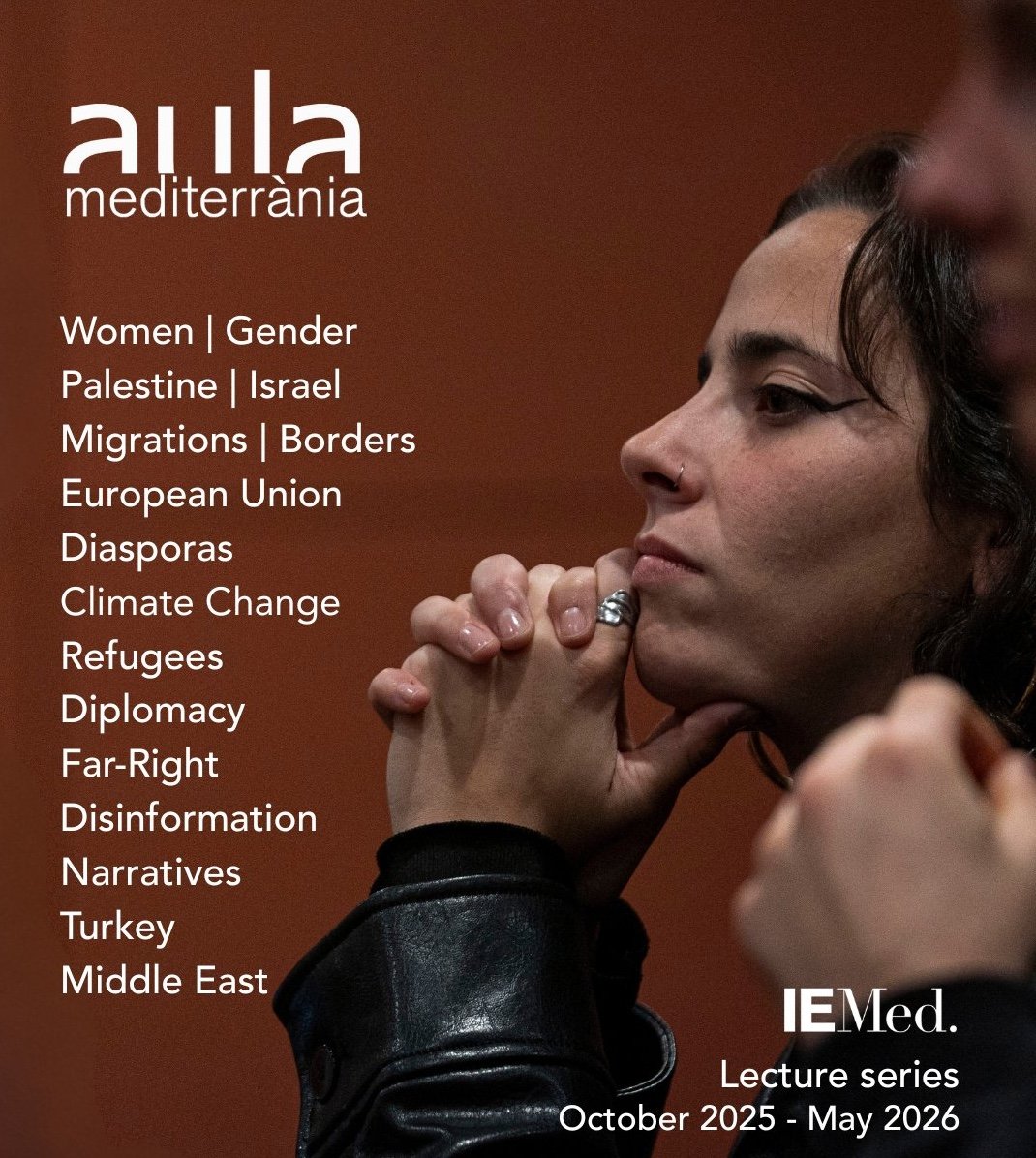
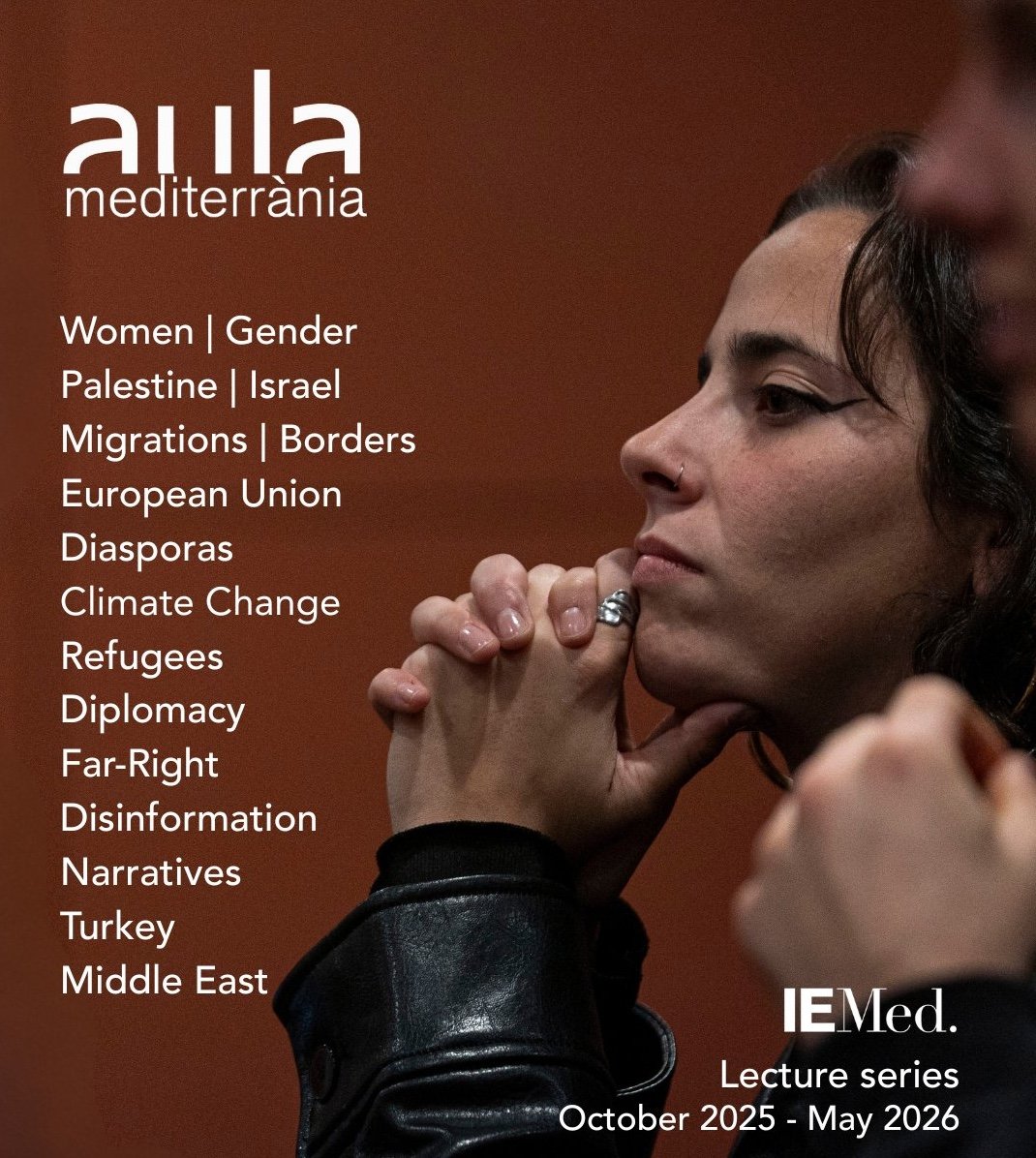
    Aula Mediterrània, Aula Mediterrània lecture series, Euro-Mediterranean programme, IEMed Barcelona event, Mediterranean studies conference, inter-university Mediterranean dialogues, Mediterranean geopolitics seminar, Mediterranean sustainability research, IBEI Barcelona Aula Mediterrània

    A conference “for peace” in the Mediterranean, funded by the EU and which demonizes Israel in its core

    The European Institute of the Mediterranean (IEMed) in Barcelona, a so-called peace making think tank for the Mediterranean Region, is hosting the twelfth edition of its Aula Mediterrània lecture series—27 talks spanning politics, migration, and culture under the banner of “Thinking about the Mediterranean of the 21st Century.”

    At first glance, it looks like a celebration of regional dialogue and academic exchange. But beneath the polished program lies a troubling current of politicized bias that calls into question the values the European Union claims to uphold: fairness, democracy, and balanced dialogue.

    This year’s series devotes significant attention to the Israeli–Palestinian conflict—yet the framing of that attention is anything but balanced. One talk is titled “Palestine’s Maritime Rights vs Israel’s Bully Take Over: An Exit Path.” Another accuses the European Union of “Complicity, Silence and Double Standards.” Later in the schedule comes “The Fifteen Wars of Israel against Gaza,” a phrase that reads more like an activist slogan than a scholarly topic.

    Not a single lecture explores Israel’s security concerns, democratic institutions, or peace efforts. Or how the Arab world works to combat terror. There are no Israeli speakers, no balance, and no nuance—just repetition of a single narrative that paints one country, and one people, as the villain of the Mediterranean story.

    The Union for the Mediterranean, funded by the EU and the UN engages in the same flavor of dialogue when it comes to environmental issues and climate change. See the women on stage in keffiahs meant to virtue signal and intimidate Israelis and Jews. I have written to their directors, and spokesperson multiple times about exclusionary policies against Israelis and Israel data in the Mediterranean. No reply.

    Union for the Mediterranean hosts climate events but turns them into a political spectacle.

    That is not dialogue. It’s dogma.

    When European taxpayers fund programs through institutions like IEMed, they do so under the promise of promoting mutual understanding and academic rigor.

    Instead, Aula Mediterrània has become a platform for the normalization of anti-Israel bias wrapped in academic legitimacy –- and offers credit when you attend these lectures online. By platforming speakers who describe Israel’s policies in loaded, accusatory terms—without offering countervailing voices—the event risks turning the European lecture hall into an echo chamber for politicized grievance.

    The EU’s own policies call for cultural initiatives that strengthen democratic debate, not replace it with monolithic thinking. How does a lecture that calls Israel a “bully” advance understanding between “both shores of the Mediterranean,” as the program claims? How can we speak of inclusion when the only Jewish and Israeli perspectives are erased from the conversation?

    There is a dangerous irony in a publicly funded institution promoting exclusion under the guise of inclusion. Europe’s academic landscape is increasingly shaped by the politics of one-sided empathy—solidarity for some victims, silence for others. This is not just unfair; it is anti-democratic. True scholarship depends on the freedom to debate, to test ideas against evidence, to listen even when it is uncomfortable. By indulging in moral absolutism, Aula Mediterrània abandons the very foundations of intellectual democracy.

    If the EU wishes to preserve credibility as a defender of democracy and dialogue, and the Arab world aspires to become a democracy in any shape and form, it must ensure that the institutions they fund and support reflect those principles. Supporting events that vilify one democratic state while romanticizing its enemies sends a message of hypocrisy, not harmony.

    The Mediterranean deserves better—an academic space where truth, complexity, and compassion coexist. Until Aula Mediterrània embraces genuine pluralism, European taxpayers should ask a simple question: why are they paying for propaganda?

    The post EU Funds for Academic Bias? Why the “Aula Mediterrània” Lecture Series Undermines Democracy and Dialogue appeared first on Green Prophet.
  • How I Found My Midlife Roar in the Beautiful Mess of Perimenopause

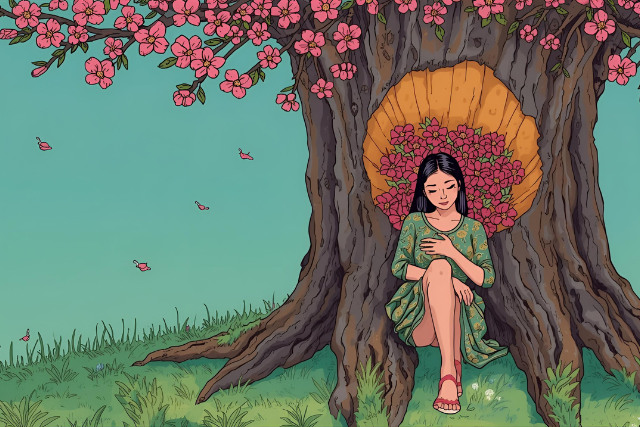
    How I Found My Midlife Roar in the Beautiful Mess of Perimenopause

    “Menopause is a journey where you rediscover yourself and become the woman you were always meant to be.” ~Dr. Christiane Northrup

    I recently had a healing session with a dear client of mine.

    “Before we begin,” she asked, “how are you?”

    I blinked and said, “Oh, you know, the usual. Just navigating perimenopause. Hallucinating about living alone without my partner one minute and panicking about dying alone the next.”

    She burst into laughter.

    “Oh, thank God,” she said. “I find myself browsing apartment listings weekly. Good to know I’m not the only one.”

    Ah, yes, the sacred scrolls of apartment …

    “The deeper that sorrow carves into your being, the more joy you can contain.” ~Kahlil Gibran

    They don’t talk about this part.

    The hardest part about knowing your worth—after doing the work, setting boundaries, and getting crystal clear on what you want—is the ache.

    Not just any ache. The ache of being awake. The ache of knowing. The ache of not settling.

    I remember the first time I walked away from someone who didn’t mistreat me but who also didn’t quite meet me. I had spent years unraveling my old patterns: the people-pleasing, the over-giving, the “maybe this is enough” mindset. For the first time, I didn’t override my intuition. I didn’t pretend I was okay with something that didn’t feel like home.

    I left. And I felt powerful.

    But two days later, I sat alone on my kitchen floor, not crying, not spiraling—just aching. Aching for company. Aching for closeness. Aching for the comfort of being chosen, even if it wasn’t quite right.

    That’s what no one talks about: the emotional hangover of choosing yourself.

    No one warns you how lonely it can feel when you finally stop contorting yourself to fit someone else’s story. When you stop abandoning yourself just to be loved, there’s often a pause before something new begins. A stillness that used to be filled by “almosts” and “maybes” and “well, at least I’m not alone.”

    When you’ve been used to bending, standing tall can feel stark. Spacious. Bare.

    You’re no longer wasting energy explaining your needs or trying to make the wrong person understand your heart. But that clarity comes with a cost. And sometimes, that cost is company.

    The ache of growth is quieter than chaos, but it cuts deeper. It lingers in the in-between: that sacred space between no longer and not yet.

    There’s grief that comes when we raise our standards. A grief for the illusions we used to cling to. A grief for the comfort of something, even when it wasn’t truly nourishing.

    We don’t talk enough about how healing isn’t just insight and empowerment. It’s also the slow disintegration of everything that used to be familiar. Your old identity. Your old dynamics. Your old sense of “enough.”

    It’s disorienting because the world doesn’t always reflect your new clarity back to you. You may find yourself sitting across from someone on a date, and while they’re kind and curious, they don’t feel like resonance. You may feel unseen in rooms you once blended into easily. You may notice the distance between you and your past life widening without any clear sense of where you’re headed.

    That’s the paradox of healing. You do the work thinking it will bring you closer to connection—and it does. But only to the kind that matches the version of you who did the work.

    And that kind often takes time.

    This is the part most advice columns skip: the emotional soup you wade through after you’ve walked away from what no longer fits.

    It’s thick with contradictions: grief for what you had to leave behind, hope that what you long for still exists, fear that maybe it doesn’t.

    There’s a raw tenderness in the quiet. A new intimacy with yourself that feels more honest but not always more comfortable.

    You might bounce between feeling empowered and heartbroken. Proud of your boundaries one day, questioning them the next. Rooted in self-respect in the morning, lonely by evening.

    This isn’t backsliding. This is integration.

    You’re building something new within yourself. And like any reconstruction project, it comes with debris, dust, and disorientation. But it’s real. It’s yours. And it’s lasting.

    Eventually, something begins to shift.

    One morning, you wake up, and the ache feels less like emptiness and more like spaciousness. You start to trust the quiet. You no longer hide your pain to make others more comfortable. You realize your worth has stopped being a negotiation.

    This is the sacred turning point—when the waiting becomes an invitation. When the pause between what was and what’s coming becomes a place of preparation, not punishment.

    You begin to notice the difference between being alone and being lonely. You stop shrinking your needs just to have someone next to you.

    Your loneliness, paradoxically, becomes a sign of your healing. Because you’re no longer willing to fill the void with what doesn’t serve you. You’re holding your own gaze. And while that might not feel cinematic, it’s powerful.

    Because not everyone gets here. And not everyone stays.

    In the moments when it gets hard, when it feels like maybe you should settle, maybe you are being too much, maybe love isn’t coming after all, I want you to come back to this: I trust that it’s worth waiting for the love I deserve, and that it’s possible for me.

    Repeat it when the doubts creep in. Write it on a Post-it. Say it into your tea. Breathe it into your bones.

    Because you didn’t come this far just to go back to what hurt you. You didn’t do all that work just to re-audition for roles you’ve outgrown.

    You came this far to call in something real—something that honors the truth of who you are now.

    One of the hardest things about this journey is that there’s no timeline. No guarantee. It can feel like you placed a very specific order with the universe and it’s taking forever to show up.

    But here’s what I’ve learned: when you ask for something deeper, more aligned, and more rooted in mutual presence, it takes time. Not because it’s not coming but because you’re asking for more than fast. You’re asking for true.

    And true takes time.

    If you’re feeling lonely on the other side of healing, please hear this: You’re not doing it wrong. You’re just no longer willing to fill your life with noise. You’ve stepped into a deeper honesty with yourself. And that’s rare.

    This is the season of sacred discomfort. A liminal space where the old has gone, but the new hasn’t fully arrived. It’s tender. Uncertain. And wildly fertile.

    Trust the ache. It’s not here to punish you. It’s here to refine you. To shape you into the kind of person who will recognize the love you’re calling in because it will feel like the love you’ve already chosen to give yourself.

    Today, I sit in my own presence and feel mostly calm. Slowly, almost without notice, that refining did its work. The ache has softened. The loneliness has eased. There’s a quiet joy in just being here, in just being me.

    What surprises me most is how peaceful I often feel. Not numb. Not distracted. Not pining for someone to see me. Not begging the universe for faster delivery. Just fully, intimately present.

    It’s strange, but the more I’ve allowed myself to embrace the hurt, the longing, the more open I’ve become to beauty. A song hits deeper. Small moments feel more meaningful. I see love everywhere.

    Life shimmers differently these days.

    And in this calm, I finally recognize just how powerful I am. The ache has carved a wider capacity within me, just as Gibran said. I hold more joy, more love, more connection. And that feels utterly magical.

    So if you’re feeling that ache right now, please remember: the very sorrow that feels so heavy now is making room for a fuller, richer experience of life and love. It’s the foundation for the kind of love that doesn’t ask you to shrink, dim, or settle but invites you to show up as your whole, radiant self.

    And as you release your anxiety about finding someone else, you might find that the greatest love comes from yourself.

    About Emily Brown

    Emily Brown is a trauma-informed REBT and MBSR-trained mindset coach, mother, writer, podcast host, humanities professor, and communications expert. With a master’s degree in Women’s Studies and English from Old Dominion University and a certificate in positive psychology from UC Berkeley, she explores relationships, parenting, and the power of language in shaping values. Her work combines academic rigor with real-world experience. EmilyBrownConsulting.com

    Get in the conversation! Click here to leave a comment on the site.

  • The Lonely Ache of Self-Worth That No One Talks About

    The Lonely Ache of Self-Worth That No One Talks About

    “The deeper that sorrow carves into your being, the more joy you can contain.” ~Kahlil Gibran

    They don’t talk about this part.

    The hardest part about knowing your worth—after doing the work, setting boundaries, and getting crystal clear on what you want—is the ache.

    Not just any ache. The ache of being awake. The ache of knowing. The ache of not settling.

    I remember the first time I walked away from someone who didn’t mistreat me but who also didn’t quite meet me. I had spent years unraveling my old patterns: the people-pleasing, the over-giving, the “maybe this is …

    “The deeper that sorrow carves into your being, the more joy you can contain.” ~Kahlil Gibran

    They don’t talk about this part.

    The hardest part about knowing your worth—after doing the work, setting boundaries, and getting crystal clear on what you want—is the ache.

    Not just any ache. The ache of being awake. The ache of knowing. The ache of not settling.

    I remember the first time I walked away from someone who didn’t mistreat me but who also didn’t quite meet me. I had spent years unraveling my old patterns: the people-pleasing, the over-giving, the “maybe this is enough” mindset. For the first time, I didn’t override my intuition. I didn’t pretend I was okay with something that didn’t feel like home.

    I left. And I felt powerful.

    But two days later, I sat alone on my kitchen floor, not crying, not spiraling—just aching. Aching for company. Aching for closeness. Aching for the comfort of being chosen, even if it wasn’t quite right.

    That’s what no one talks about: the emotional hangover of choosing yourself.

    No one warns you how lonely it can feel when you finally stop contorting yourself to fit someone else’s story. When you stop abandoning yourself just to be loved, there’s often a pause before something new begins. A stillness that used to be filled by “almosts” and “maybes” and “well, at least I’m not alone.”

    When you’ve been used to bending, standing tall can feel stark. Spacious. Bare.

    You’re no longer wasting energy explaining your needs or trying to make the wrong person understand your heart. But that clarity comes with a cost. And sometimes, that cost is company.

    The ache of growth is quieter than chaos, but it cuts deeper. It lingers in the in-between: that sacred space between no longer and not yet.

    There’s grief that comes when we raise our standards. A grief for the illusions we used to cling to. A grief for the comfort of something, even when it wasn’t truly nourishing.

    We don’t talk enough about how healing isn’t just insight and empowerment. It’s also the slow disintegration of everything that used to be familiar. Your old identity. Your old dynamics. Your old sense of “enough.”

    It’s disorienting because the world doesn’t always reflect your new clarity back to you. You may find yourself sitting across from someone on a date, and while they’re kind and curious, they don’t feel like resonance. You may feel unseen in rooms you once blended into easily. You may notice the distance between you and your past life widening without any clear sense of where you’re headed.

    That’s the paradox of healing. You do the work thinking it will bring you closer to connection—and it does. But only to the kind that matches the version of you who did the work.

    And that kind often takes time.

    This is the part most advice columns skip: the emotional soup you wade through after you’ve walked away from what no longer fits.

    It’s thick with contradictions: grief for what you had to leave behind, hope that what you long for still exists, fear that maybe it doesn’t.

    There’s a raw tenderness in the quiet. A new intimacy with yourself that feels more honest but not always more comfortable.

    You might bounce between feeling empowered and heartbroken. Proud of your boundaries one day, questioning them the next. Rooted in self-respect in the morning, lonely by evening.

    This isn’t backsliding. This is integration.

    You’re building something new within yourself. And like any reconstruction project, it comes with debris, dust, and disorientation. But it’s real. It’s yours. And it’s lasting.

    Eventually, something begins to shift.

    One morning, you wake up, and the ache feels less like emptiness and more like spaciousness. You start to trust the quiet. You no longer hide your pain to make others more comfortable. You realize your worth has stopped being a negotiation.

    This is the sacred turning point—when the waiting becomes an invitation. When the pause between what was and what’s coming becomes a place of preparation, not punishment.

    You begin to notice the difference between being alone and being lonely. You stop shrinking your needs just to have someone next to you.

    Your loneliness, paradoxically, becomes a sign of your healing. Because you’re no longer willing to fill the void with what doesn’t serve you. You’re holding your own gaze. And while that might not feel cinematic, it’s powerful.

    Because not everyone gets here. And not everyone stays.

    In the moments when it gets hard, when it feels like maybe you should settle, maybe you are being too much, maybe love isn’t coming after all, I want you to come back to this: I trust that it’s worth waiting for the love I deserve, and that it’s possible for me.

    Repeat it when the doubts creep in. Write it on a Post-it. Say it into your tea. Breathe it into your bones.

    Because you didn’t come this far just to go back to what hurt you. You didn’t do all that work just to re-audition for roles you’ve outgrown.

    You came this far to call in something real—something that honors the truth of who you are now.

    One of the hardest things about this journey is that there’s no timeline. No guarantee. It can feel like you placed a very specific order with the universe and it’s taking forever to show up.

    But here’s what I’ve learned: when you ask for something deeper, more aligned, and more rooted in mutual presence, it takes time. Not because it’s not coming but because you’re asking for more than fast. You’re asking for true.

    And true takes time.

    If you’re feeling lonely on the other side of healing, please hear this: You’re not doing it wrong. You’re just no longer willing to fill your life with noise. You’ve stepped into a deeper honesty with yourself. And that’s rare.

    This is the season of sacred discomfort. A liminal space where the old has gone, but the new hasn’t fully arrived. It’s tender. Uncertain. And wildly fertile.

    Trust the ache. It’s not here to punish you. It’s here to refine you. To shape you into the kind of person who will recognize the love you’re calling in because it will feel like the love you’ve already chosen to give yourself.

    Today, I sit in my own presence and feel mostly calm. Slowly, almost without notice, that refining did its work. The ache has softened. The loneliness has eased. There’s a quiet joy in just being here, in just being me.

    What surprises me most is how peaceful I often feel. Not numb. Not distracted. Not pining for someone to see me. Not begging the universe for faster delivery. Just fully, intimately present.

    It’s strange, but the more I’ve allowed myself to embrace the hurt, the longing, the more open I’ve become to beauty. A song hits deeper. Small moments feel more meaningful. I see love everywhere.

    Life shimmers differently these days.

    And in this calm, I finally recognize just how powerful I am. The ache has carved a wider capacity within me, just as Gibran said. I hold more joy, more love, more connection. And that feels utterly magical.

    So if you’re feeling that ache right now, please remember: the very sorrow that feels so heavy now is making room for a fuller, richer experience of life and love. It’s the foundation for the kind of love that doesn’t ask you to shrink, dim, or settle but invites you to show up as your whole, radiant self.

    And as you release your anxiety about finding someone else, you might find that the greatest love comes from yourself.

    About Emily Brown

    Emily Brown is a trauma-informed REBT and MBSR-trained mindset coach, mother, writer, podcast host, humanities professor, and communications expert. With a master’s degree in Women’s Studies and English from Old Dominion University and a certificate in positive psychology from UC Berkeley, she explores relationships, parenting, and the power of language in shaping values. Her work combines academic rigor with real-world experience. EmilyBrownConsulting.com

    Get in the conversation! Click here to leave a comment on the site.

  • When Your Body Is Carrying More Pain Than You Realize

    When Your Body Is Carrying More Pain Than You Realize

    If you live with chronic pain, you already know how exhausting it can be. Not just the physical sensations but the constant trying—trying to push through, trying to find answers, trying to explain something that feels invisible to others. The search for relief can become its own full-time job, and it’s easy to feel discouraged or alone.

    Over the years of running this site, I’ve heard from many people who’ve felt trapped in their bodies, like life was happening around them, not with them. I’ve also connected with many people who learned to bury their feelings (a struggle I know …

    If you live with chronic pain, you already know how exhausting it can be. Not just the physical sensations but the constant trying—trying to push through, trying to find answers, trying to explain something that feels invisible to others. The search for relief can become its own full-time job, and it’s easy to feel discouraged or alone.

    Over the years of running this site, I’ve heard from many people who’ve felt trapped in their bodies, like life was happening around them, not with them. I’ve also connected with many people who learned to bury their feelings (a struggle I know all too well) because they were simply too painful or because they never learned how to embrace and process them. For some people, this emotional holding eventually shows up in the body as tension, fatigue, or chronic pain.

    Pushing things down might look like strength from the outside, but it’s the source of immense suffering that only ends when we face and feel what we’ve been avoiding.

    This awareness is what draws me to Nicole Sachs’ work. Nicole is a therapist, author, and teacher who’s spent over twenty years helping people understand the mind-body connection, and how unprocessed emotions can sometimes show up in the body as chronic pain.

    When we understand how our nervous systems try to protect us, we can gently teach our bodies that they no longer need to stay in defense mode.

    In her upcoming online workshop with the Omega Institute, Introduction to Freedom from Chronic Pain, Nicole will introduce you to her approach to releasing stored emotions so you can reconnect with your body instead of battling it.

    In this 90-minute live session, Nicole will offer:

    • Insight into how the brain and nervous system create chronic pain as protection
    • A guided JournalSpeak exercise to support emotional release
    • A sense of hope and understanding, especially if you’ve felt alone in your experience
    • Time for live Q&A to support your specific questions and challenges

    So many people live with chronic pain thinking they just have to endure it. But healing is possible. It won’t happen overnight, but with the right tools, you can greatly improve the quality of your life.

    If you’re ready to release the pain that’s holding you back, you can learn more and register here:

    Introduction to Freedom from Chronic Pain
    Date: Wednesday, November 5, 6:00–7:30 PM ET (3:00–4:30 PM PT)
    Replay: Available on demand until January 4, 2026

    About Lori Deschene

    Lori Deschene is the founder of Tiny Buddha. She started the site after struggling with depression, bulimia, c-PTSD, and toxic shame so she could recycle her former pain into something useful and inspire others to do the same. You can find her books, including Tiny Buddha’s Gratitude Journal and Tiny Buddha’s Worry Journal, here and learn more about her eCourse, Recreate Your Life Story, if you’re ready to transform your life and become the person you want to be.

    Get in the conversation! Click here to leave a comment on the site.

  • Waste Reform from the Ground Up: How Trash Balers Are Helping Cities Rethink Sustainability

    Waste Reform from the Ground Up: How Trash Balers Are Helping Cities Rethink Sustainability

    If you’ve ever watched a recycling truck weaving through city streets, you’ve seen the problem firsthand. Most of what we call “recycling” still depends on long-distance transportation and centralized sorting facilities. Those systems are energy-intensive and prone to contamination — the dreaded mix of wet food, plastic wrap, and paper that renders recyclables useless.

    The post Waste Reform from the Ground Up: How Trash Balers Are Helping Cities Rethink Sustainability appeared first on Green Prophet.
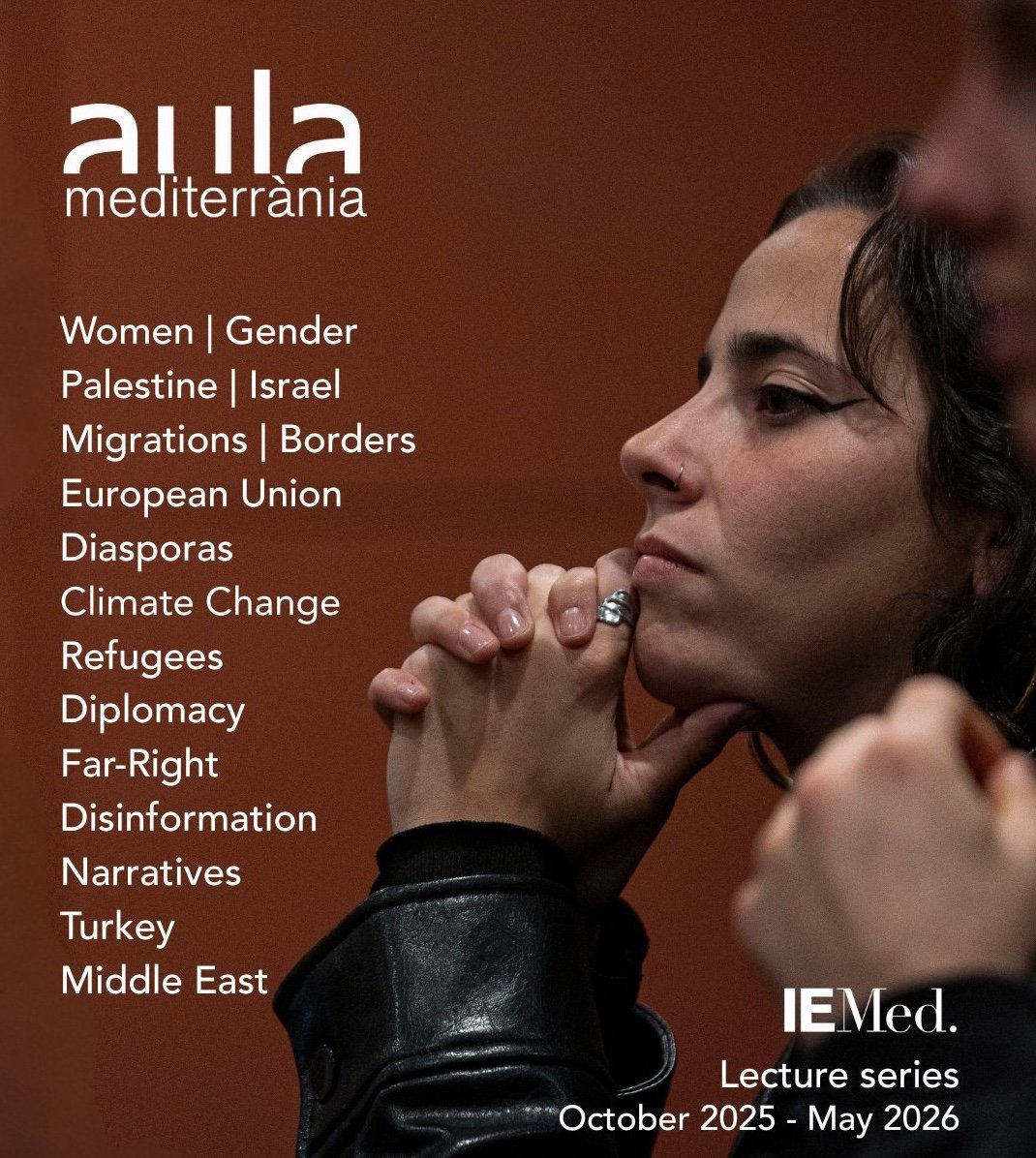
    Aula Mediterrània, Aula Mediterrània lecture series, Euro-Mediterranean programme, IEMed Barcelona event, Mediterranean studies conference, inter-university Mediterranean dialogues, Mediterranean geopolitics seminar, Mediterranean sustainability research, IBEI Barcelona Aula Mediterrània

    A conference “for peace” in the Mediterranean, funded by the EU and which demonizes Israel in its core

    The European Institute of the Mediterranean (IEMed) in Barcelona, a so-called peace making think tank for the Mediterranean Region, is hosting the twelfth edition of its Aula Mediterrània lecture series—27 talks spanning politics, migration, and culture under the banner of “Thinking about the Mediterranean of the 21st Century.”

    At first glance, it looks like a celebration of regional dialogue and academic exchange. But beneath the polished program lies a troubling current of politicized bias that calls into question the values the European Union claims to uphold: fairness, democracy, and balanced dialogue.

    This year’s series devotes significant attention to the Israeli–Palestinian conflict—yet the framing of that attention is anything but balanced. One talk is titled “Palestine’s Maritime Rights vs Israel’s Bully Take Over: An Exit Path.” Another accuses the European Union of “Complicity, Silence and Double Standards.” Later in the schedule comes “The Fifteen Wars of Israel against Gaza,” a phrase that reads more like an activist slogan than a scholarly topic.

    Not a single lecture explores Israel’s security concerns, democratic institutions, or peace efforts. Or how the Arab world works to combat terror. There are no Israeli speakers, no balance, and no nuance—just repetition of a single narrative that paints one country, and one people, as the villain of the Mediterranean story.

    The Union for the Mediterranean, funded by the EU and the UN engages in the same flavor of dialogue when it comes to environmental issues and climate change. See the women on stage in keffiahs meant to virtue signal and intimidate Israelis and Jews. I have written to their directors, and spokesperson multiple times about exclusionary policies against Israelis and Israel data in the Mediterranean. No reply.

    Union for the Mediterranean hosts climate events but turns them into a political spectacle.

    That is not dialogue. It’s dogma.

    When European taxpayers fund programs through institutions like IEMed, they do so under the promise of promoting mutual understanding and academic rigor.

    Instead, Aula Mediterrània has become a platform for the normalization of anti-Israel bias wrapped in academic legitimacy –- and offers credit when you attend these lectures online. By platforming speakers who describe Israel’s policies in loaded, accusatory terms—without offering countervailing voices—the event risks turning the European lecture hall into an echo chamber for politicized grievance.

    The EU’s own policies call for cultural initiatives that strengthen democratic debate, not replace it with monolithic thinking. How does a lecture that calls Israel a “bully” advance understanding between “both shores of the Mediterranean,” as the program claims? How can we speak of inclusion when the only Jewish and Israeli perspectives are erased from the conversation?

    There is a dangerous irony in a publicly funded institution promoting exclusion under the guise of inclusion. Europe’s academic landscape is increasingly shaped by the politics of one-sided empathy—solidarity for some victims, silence for others. This is not just unfair; it is anti-democratic. True scholarship depends on the freedom to debate, to test ideas against evidence, to listen even when it is uncomfortable. By indulging in moral absolutism, Aula Mediterrània abandons the very foundations of intellectual democracy.

    If the EU wishes to preserve credibility as a defender of democracy and dialogue, and the Arab world aspires to become a democracy in any shape and form, it must ensure that the institutions they fund and support reflect those principles. Supporting events that vilify one democratic state while romanticizing its enemies sends a message of hypocrisy, not harmony.

    The Mediterranean deserves better—an academic space where truth, complexity, and compassion coexist. Until Aula Mediterrània embraces genuine pluralism, European taxpayers should ask a simple question: why are they paying for propaganda?

    The post EU Funds for Academic Bias? Why the “Aula Mediterrània” Lecture Series Undermines Democracy and Dialogue appeared first on Green Prophet.

  • Black cats banned from this Spanish town – until after Halloween

    Black cats banned from this Spanish town – until after Halloween

    Terrassa is home to more than 9,800 cats, according to municipal data — a population that lives quietly among its 220,000 residents. The temporary ban forces the town, and perhaps the rest of us, to confront a deeper contradiction. How can a culture that loves animals and fills social media with cat memes still tolerate cruelty in the name of tradition or aesthetics?

    The post Black cats banned from this Spanish town – until after Halloween appeared first on Green Prophet.

    Aula Mediterrània, Aula Mediterrània lecture series, Euro-Mediterranean programme, IEMed Barcelona event, Mediterranean studies conference, inter-university Mediterranean dialogues, Mediterranean geopolitics seminar, Mediterranean sustainability research, IBEI Barcelona Aula Mediterrània

    A conference “for peace” in the Mediterranean, funded by the EU and which demonizes Israel in its core

    The European Institute of the Mediterranean (IEMed) in Barcelona, a so-called peace making think tank for the Mediterranean Region, is hosting the twelfth edition of its Aula Mediterrània lecture series—27 talks spanning politics, migration, and culture under the banner of “Thinking about the Mediterranean of the 21st Century.”

    At first glance, it looks like a celebration of regional dialogue and academic exchange. But beneath the polished program lies a troubling current of politicized bias that calls into question the values the European Union claims to uphold: fairness, democracy, and balanced dialogue.

    This year’s series devotes significant attention to the Israeli–Palestinian conflict—yet the framing of that attention is anything but balanced. One talk is titled “Palestine’s Maritime Rights vs Israel’s Bully Take Over: An Exit Path.” Another accuses the European Union of “Complicity, Silence and Double Standards.” Later in the schedule comes “The Fifteen Wars of Israel against Gaza,” a phrase that reads more like an activist slogan than a scholarly topic.

    Not a single lecture explores Israel’s security concerns, democratic institutions, or peace efforts. Or how the Arab world works to combat terror. There are no Israeli speakers, no balance, and no nuance—just repetition of a single narrative that paints one country, and one people, as the villain of the Mediterranean story.

    The Union for the Mediterranean, funded by the EU and the UN engages in the same flavor of dialogue when it comes to environmental issues and climate change. See the women on stage in keffiahs meant to virtue signal and intimidate Israelis and Jews. I have written to their directors, and spokesperson multiple times about exclusionary policies against Israelis and Israel data in the Mediterranean. No reply.

    Union for the Mediterranean hosts climate events but turns them into a political spectacle.

    That is not dialogue. It’s dogma.

    When European taxpayers fund programs through institutions like IEMed, they do so under the promise of promoting mutual understanding and academic rigor.

    Instead, Aula Mediterrània has become a platform for the normalization of anti-Israel bias wrapped in academic legitimacy –- and offers credit when you attend these lectures online. By platforming speakers who describe Israel’s policies in loaded, accusatory terms—without offering countervailing voices—the event risks turning the European lecture hall into an echo chamber for politicized grievance.

    The EU’s own policies call for cultural initiatives that strengthen democratic debate, not replace it with monolithic thinking. How does a lecture that calls Israel a “bully” advance understanding between “both shores of the Mediterranean,” as the program claims? How can we speak of inclusion when the only Jewish and Israeli perspectives are erased from the conversation?

    There is a dangerous irony in a publicly funded institution promoting exclusion under the guise of inclusion. Europe’s academic landscape is increasingly shaped by the politics of one-sided empathy—solidarity for some victims, silence for others. This is not just unfair; it is anti-democratic. True scholarship depends on the freedom to debate, to test ideas against evidence, to listen even when it is uncomfortable. By indulging in moral absolutism, Aula Mediterrània abandons the very foundations of intellectual democracy.

    If the EU wishes to preserve credibility as a defender of democracy and dialogue, and the Arab world aspires to become a democracy in any shape and form, it must ensure that the institutions they fund and support reflect those principles. Supporting events that vilify one democratic state while romanticizing its enemies sends a message of hypocrisy, not harmony.

    The Mediterranean deserves better—an academic space where truth, complexity, and compassion coexist. Until Aula Mediterrània embraces genuine pluralism, European taxpayers should ask a simple question: why are they paying for propaganda?

    The post EU Funds for Academic Bias? Why the “Aula Mediterrània” Lecture Series Undermines Democracy and Dialogue appeared first on Green Prophet.