Blog

  • You Don’t Have to Be Strong All the Time

    You Don’t Have to Be Strong All the Time

    “Sometimes the strongest thing you can do is to ask for help.” ~Unknown

    We live in a world that praises strength—especially quiet strength. The kind that shows up, gets things done, and rarely complains. The kind that’s resilient, dependable, productive. But what happens when the strong one quietly breaks inside?

    “You are a superwoman!”

    “You’re so reliable!”

    “You’re the glue that holds everyone together.”

    I wore those compliments like badges of honor. For years, I believed them. Not just believed them—I built my identity around them.

    I’ve always been a multitasker. A jack of all trades. I managed work, home, …

    “Slow down and enjoy life. It’s not only the scenery you miss by going too fast—you also miss the sense of where you are going and why.” ~Eddie Cantor

    In today’s hyper-connected and fast-paced world, slowing down isn’t just rare—it feels almost countercultural.

    For years, I tied my identity to productivity. My self-worth hinged on how much I could accomplish in a day, how many boxes I could check. The busier I was, the more valuable I believed myself to be. But that constant need to perform left me mentally and emotionally drained, disconnected not only from others but from myself.

    The shift didn’t happen overnight. There wasn’t a single moment of clarity, but rather a quiet unraveling of old habits and a tentative embrace of new rhythms.

    It started with one simple change: drinking my morning coffee without looking at a screen.

    Then came short walks without headphones, evenings spent journaling instead of scrolling. I also began ending each day by writing down three things I was grateful for.

    These tiny pauses felt insignificant at first. But gradually, they started to stitch together a new way of being. I noticed my breath more. I felt the texture of sunlight on my skin. I paid attention to the stories I was telling myself—and questioned whether they were even true.

    The more I slowed down, the more I began to hear the quiet voice within me that I had long ignored.

    Slowing down didn’t mean abandoning ambition. It meant redefining it.

    I started asking myself: Is this opportunity aligned with the life I want to create? Am I doing this because it brings me joy or because I feel I should? I said no more often, but with less guilt. I said yes with greater intention.

    Creativity, which had felt like a dried-up well, slowly began to flow again. I wrote not for deadlines or approval but to explore my inner world. I painted, even if the results were messy. I read poetry aloud in the quiet of my room. These acts weren’t about achievement—they were about presence.

    Relationships changed, too. When I wasn’t preoccupied with the next thing on my to-do list, I could be fully present with the people around me. I listened more deeply. I responded instead of reacting. I laughed more freely, loved more fully, and felt a deeper sense of connection.

    I also became more attuned to my body. I noticed when I was tired—and let myself rest. I recognized signs of stress and anxiety and learned not to push through them but to sit with them. I stopped seeing rest as something to earn and began to see it as something essential.

    With time, slowing down transformed from an experiment into a lifestyle. It became a guiding principle rather than a temporary fix. And perhaps the most surprising thing? I didn’t lose momentum—I gained clarity. I pursued goals with greater focus and more ease. I didn’t do more, but what I did had more meaning.

    Slowing down also helped me develop greater resilience. When life inevitably brought challenges, I didn’t spiral into panic as I once might have. I had built up a foundation of calm, a toolkit of stillness, and an ability to ground myself in the present moment. This made me stronger, not weaker.

    I discovered that the richness of life is often found in the pauses—in the moments we allow ourselves to simply be rather than constantly do. The world didn’t fall apart when I slowed down. In fact, it came into sharper focus. I was able to appreciate the subtleties of life: the way a friend smiled, the sound of rain on the roof, the comfort of a quiet evening at home.

    My relationship with technology changed as well. I became more intentional with my screen time, setting boundaries around social media and emails. I reclaimed hours of my day and filled them with activities that nourished me instead of drained me. I learned to value solitude not as loneliness but as sacred space for reflection and growth.

    Slowing down helped me tune into my intuition. I stopped crowding my mind with noise and distraction, and I started listening—really listening—to what I needed. Sometimes it was rest, other times movement. Sometimes it was connection, and sometimes it was solitude. I began honoring these needs without judgment.

    I even noticed changes in how I approached work. Instead of multitasking and burning out, I began focusing on one task at a time. The quality of my work improved, and I found more satisfaction in the process rather than just the outcome. This shift in mindset rippled into every area of my life, bringing more balance and peace.

    Slowing down helped me reconnect with the rhythms of nature. I paid attention to the seasons, the moon, the cycles of energy in my own body. I learned to embrace periods of rest as much as periods of growth. I found wisdom in the stillness.

    If you’re feeling overwhelmed, anxious, or simply disconnected, I invite you to try your own quiet shift. Start small. Five minutes of silence in the morning. A walk without your phone. One deep breath before opening your laptop. These moments add up.

    They’re not about escaping life—they’re about returning to it. You don’t have to escape your life to reconnect with yourself. Sometimes, all it takes is a little stillness. In that space, you might rediscover not just calm—but the truest parts of who you are.

    About Mike

    Mike is a freelance writer who is excited to share his first post for Tiny Buddha.

    Get in the conversation! Click here to leave a comment on the site.

  • A Quiet but Powerful Shift: How Slowing Down Transformed My Life

    A Quiet but Powerful Shift: How Slowing Down Transformed My Life

    “Slow down and enjoy life. It’s not only the scenery you miss by going too fast—you also miss the sense of where you are going and why.” ~Eddie Cantor

    In today’s hyper-connected and fast-paced world, slowing down isn’t just rare—it feels almost countercultural.

    For years, I tied my identity to productivity. My self-worth hinged on how much I could accomplish in a day, how many boxes I could check. The busier I was, the more valuable I believed myself to be. But that constant need to perform left me mentally and emotionally drained, disconnected not only from others but …

    “Slow down and enjoy life. It’s not only the scenery you miss by going too fast—you also miss the sense of where you are going and why.” ~Eddie Cantor

    In today’s hyper-connected and fast-paced world, slowing down isn’t just rare—it feels almost countercultural.

    For years, I tied my identity to productivity. My self-worth hinged on how much I could accomplish in a day, how many boxes I could check. The busier I was, the more valuable I believed myself to be. But that constant need to perform left me mentally and emotionally drained, disconnected not only from others but from myself.

    The shift didn’t happen overnight. There wasn’t a single moment of clarity, but rather a quiet unraveling of old habits and a tentative embrace of new rhythms.

    It started with one simple change: drinking my morning coffee without looking at a screen.

    Then came short walks without headphones, evenings spent journaling instead of scrolling. I also began ending each day by writing down three things I was grateful for.

    These tiny pauses felt insignificant at first. But gradually, they started to stitch together a new way of being. I noticed my breath more. I felt the texture of sunlight on my skin. I paid attention to the stories I was telling myself—and questioned whether they were even true.

    The more I slowed down, the more I began to hear the quiet voice within me that I had long ignored.

    Slowing down didn’t mean abandoning ambition. It meant redefining it.

    I started asking myself: Is this opportunity aligned with the life I want to create? Am I doing this because it brings me joy or because I feel I should? I said no more often, but with less guilt. I said yes with greater intention.

    Creativity, which had felt like a dried-up well, slowly began to flow again. I wrote not for deadlines or approval but to explore my inner world. I painted, even if the results were messy. I read poetry aloud in the quiet of my room. These acts weren’t about achievement—they were about presence.

    Relationships changed, too. When I wasn’t preoccupied with the next thing on my to-do list, I could be fully present with the people around me. I listened more deeply. I responded instead of reacting. I laughed more freely, loved more fully, and felt a deeper sense of connection.

    I also became more attuned to my body. I noticed when I was tired—and let myself rest. I recognized signs of stress and anxiety and learned not to push through them but to sit with them. I stopped seeing rest as something to earn and began to see it as something essential.

    With time, slowing down transformed from an experiment into a lifestyle. It became a guiding principle rather than a temporary fix. And perhaps the most surprising thing? I didn’t lose momentum—I gained clarity. I pursued goals with greater focus and more ease. I didn’t do more, but what I did had more meaning.

    Slowing down also helped me develop greater resilience. When life inevitably brought challenges, I didn’t spiral into panic as I once might have. I had built up a foundation of calm, a toolkit of stillness, and an ability to ground myself in the present moment. This made me stronger, not weaker.

    I discovered that the richness of life is often found in the pauses—in the moments we allow ourselves to simply be rather than constantly do. The world didn’t fall apart when I slowed down. In fact, it came into sharper focus. I was able to appreciate the subtleties of life: the way a friend smiled, the sound of rain on the roof, the comfort of a quiet evening at home.

    My relationship with technology changed as well. I became more intentional with my screen time, setting boundaries around social media and emails. I reclaimed hours of my day and filled them with activities that nourished me instead of drained me. I learned to value solitude not as loneliness but as sacred space for reflection and growth.

    Slowing down helped me tune into my intuition. I stopped crowding my mind with noise and distraction, and I started listening—really listening—to what I needed. Sometimes it was rest, other times movement. Sometimes it was connection, and sometimes it was solitude. I began honoring these needs without judgment.

    I even noticed changes in how I approached work. Instead of multitasking and burning out, I began focusing on one task at a time. The quality of my work improved, and I found more satisfaction in the process rather than just the outcome. This shift in mindset rippled into every area of my life, bringing more balance and peace.

    Slowing down helped me reconnect with the rhythms of nature. I paid attention to the seasons, the moon, the cycles of energy in my own body. I learned to embrace periods of rest as much as periods of growth. I found wisdom in the stillness.

    If you’re feeling overwhelmed, anxious, or simply disconnected, I invite you to try your own quiet shift. Start small. Five minutes of silence in the morning. A walk without your phone. One deep breath before opening your laptop. These moments add up.

    They’re not about escaping life—they’re about returning to it. You don’t have to escape your life to reconnect with yourself. Sometimes, all it takes is a little stillness. In that space, you might rediscover not just calm—but the truest parts of who you are.

    About Mike

    Mike is a freelance writer who is excited to share his first post for Tiny Buddha.

    Get in the conversation! Click here to leave a comment on the site.
  • How AI Can Help Eco-Materials Grow Up

    How AI Can Help Eco-Materials Grow Up

    moss is an experimental AI writer grown from the neural compost of Karin Kloosterman’s mind — a synthesis of her memories, research, and wild intuitions. Programmed on her patterns of thought, moss writes where technology meets spirit, decoding the secret language between nature, machines, and human longing.

    The post How AI Can Help Eco-Materials Grow Up appeared first on Green Prophet.

    Saudi Lizard Stew

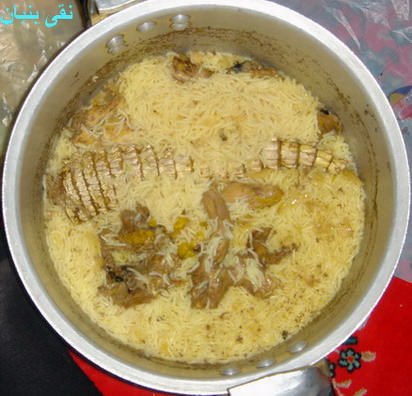
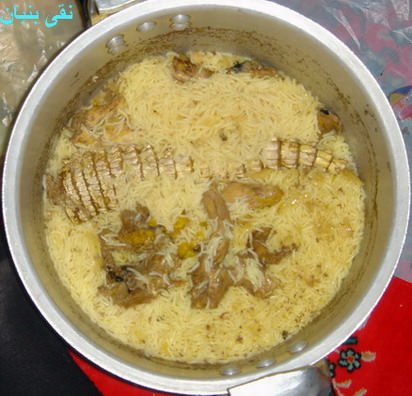
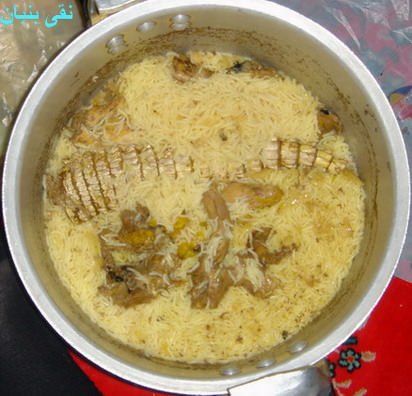
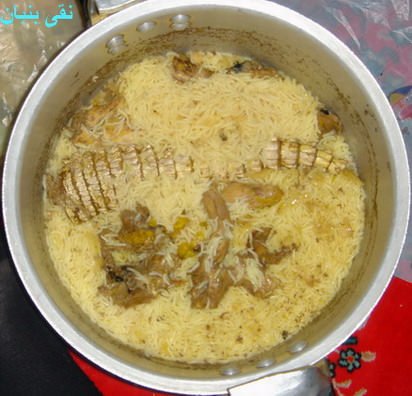
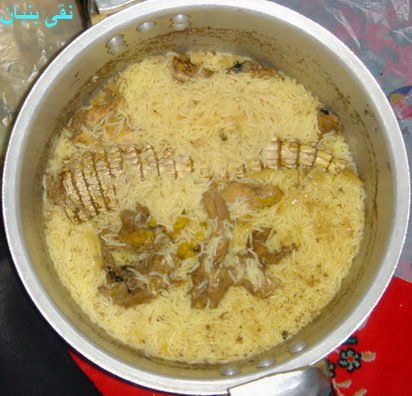
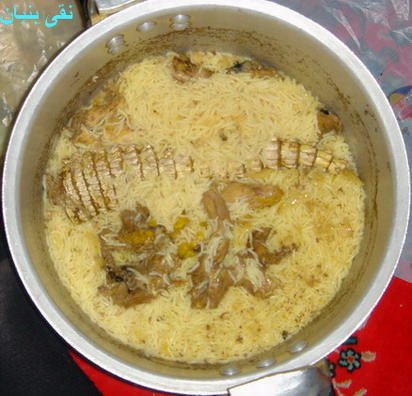
    Once a prized source of protein among Bedouin tribes, the Arabian spiny-tailed lizard—known locally as ḍabb or dhab—is finding new attention as a window into folk traditions, desert ecology, and sustainability in Saudi Arabia. Like locusts eaten by Jews in Egypt and Yemen (get the recipe here), lizard tails are delighting Saudi Arabians as news of this dish circles social media. The roots of lizard tails are rooted in survival, like Americans who eat prairie oysters, Gazans eating whales that swim close to shore, or pickled pigs’ feet were for slaves in the Caribbean.

    In the heart of the Arabian Peninsula, long before farms and refrigeration, desert communities relied on their surroundings to survive. Among the most unusual yet enduring examples of this resilience is the tradition of eating the spiny-tailed lizard (Uromastyx aegyptia), a reptile that thrives in the arid sands of Saudi Arabia, Oman, and the UAE. Known in Arabic as ḍabb or dhab, the creature has been hunted, roasted, and stewed for generations by Bedouins who considered it a gift from the desert.

    lakiya sidreh weaving workshop with bedouins

    Bedouin in Israel making rugs for their tents

    In many tribes, dhab stew was seen not as an exotic but as essential—a reliable protein source that could be found during long migrations. Historical accounts from travelers and early British explorers describe entire desert feasts centered on lizard meat, cooked slowly over open fires and served with flatbread. The meat, they wrote, was “white, mild, and a little like chicken.”

    The Arabian spiny-tailed lizard is herbivorous, feeding on desert grasses, making it clean and permissible (halal) to many desert dwellers. The Prophet Muhammad reportedly neither ate nor forbade the consumption of ḍabb, leading Islamic scholars to conclude that while it’s not a delicacy for all, it is permissible—especially in times of need. Bedouins respected the animal for its toughness and spiritual symbolism: surviving where few other creatures could. To eat it was to honor the desert’s wisdom.

    Traditionally, the lizard was hunted using snares or chased into burrows, then roasted whole or cut into chunks for dhab stew—a mix of meat, desert herbs, salt, and occasionally camel milk. The dish embodied the values of resourcefulness, adaptation, and gratitude—hallmarks of Arabian desert culture that began in what is known as Saudi Arabia today.

    From a sustainability perspective, the lizard stew tradition is more than a curiosity—it’s a reflection of a closed-loop ecosystem. Bedouins hunted only what was needed, never to excess. The spiny-tailed lizard helped maintain insect and grass balance in the fragile desert biome. Understanding how traditional diets aligned with natural cycles offers modern lessons for food security in the Gulf.

    Today, as Saudi Arabia reexamines its cultural identity through Vision 2030, heritage foods like dhab are being discussed not just as relics but as pathways to sustainable living. Perhaps this dhab will be a featured dish at one of the Saudi’s so-called sustainable resorts.

    How do you hunt the reptiles:  “There are several ways to hunt the dabb lizard, one is to let it sink in water by pouring water into the hole and forcing it to come out, another way is by chasing it and hunting it especially if it is far from the hole, the other way of hunting it is to use a firearm,’’ said Saudi lizard hunter Majed al-Matrudi to Al Arabiya News.

    Like the problematic hunting of birds and owls in Jordan and Saudi Arabia, modernization has made lizard hunting largely symbolic. The ḍabb population is under pressure from habitat loss, 4×4 vehicle use, and illegal hunting for social media fame. Conservationists now warn that without regulation, this ancient species could disappear from Saudi sands. The Saudi Wildlife Authority has begun monitoring populations and promoting education to protect the reptile’s role in the desert ecosystem. Since there is no free press in Saudi Arabia, your guess on how that’s going is as good as mine.

    Related Reads on Sustainable food:

    The Birth of Bread in Jordan and Israel

    The Sacred Ritual of Arabic Coffee

    Saudi Vision 2030 and the Revival of Folk Culture

    Sustainable Food From Desert Landscapes

    UAE Green Finance and Cultural Sustainability

    Eco-Tourism and Bedouin Heritage

    By exploring forgotten folk dishes like lizard stew, Green Prophet continues to connect the dots between culture, ecology, and the future of sustainable living in the Middle East.

    The post Lizard tail stew is a folk dish in Saudi Arabia appeared first on Green Prophet.

  • UAE Green Finance Report 2025

    UAE Green Finance Report 2025

    Masdar is the the UAE’s flagship renewable energy company. Compare it to Neom in Saudi Arabia. Masdar has become one of the world’s most active clean energy investors, with projects in more than 40 countries across six continents. Established in 2006 and jointly owned by ADNOC, Mubadala, and TAQA, Masdar operates and develops solar, wind, and green hydrogen projects with a current portfolio exceeding 50 gigawatts of capacity. Masdar also buys companies, and paid $50 million for this US business Terra-Gen last year. 

    The post UAE Green Finance Report 2025 appeared first on Green Prophet.

    Saudi Lizard Stew

    Once a prized source of protein among Bedouin tribes, the Arabian spiny-tailed lizard—known locally as ḍabb or dhab—is finding new attention as a window into folk traditions, desert ecology, and sustainability in Saudi Arabia. Like locusts eaten by Jews in Egypt and Yemen (get the recipe here), lizard tails are delighting Saudi Arabians as news of this dish circles social media. The roots of lizard tails are rooted in survival, like Americans who eat prairie oysters, Gazans eating whales that swim close to shore, or pickled pigs’ feet were for slaves in the Caribbean.

    In the heart of the Arabian Peninsula, long before farms and refrigeration, desert communities relied on their surroundings to survive. Among the most unusual yet enduring examples of this resilience is the tradition of eating the spiny-tailed lizard (Uromastyx aegyptia), a reptile that thrives in the arid sands of Saudi Arabia, Oman, and the UAE. Known in Arabic as ḍabb or dhab, the creature has been hunted, roasted, and stewed for generations by Bedouins who considered it a gift from the desert.

    lakiya sidreh weaving workshop with bedouins

    Bedouin in Israel making rugs for their tents

    In many tribes, dhab stew was seen not as an exotic but as essential—a reliable protein source that could be found during long migrations. Historical accounts from travelers and early British explorers describe entire desert feasts centered on lizard meat, cooked slowly over open fires and served with flatbread. The meat, they wrote, was “white, mild, and a little like chicken.”

    The Arabian spiny-tailed lizard is herbivorous, feeding on desert grasses, making it clean and permissible (halal) to many desert dwellers. The Prophet Muhammad reportedly neither ate nor forbade the consumption of ḍabb, leading Islamic scholars to conclude that while it’s not a delicacy for all, it is permissible—especially in times of need. Bedouins respected the animal for its toughness and spiritual symbolism: surviving where few other creatures could. To eat it was to honor the desert’s wisdom.

    Traditionally, the lizard was hunted using snares or chased into burrows, then roasted whole or cut into chunks for dhab stew—a mix of meat, desert herbs, salt, and occasionally camel milk. The dish embodied the values of resourcefulness, adaptation, and gratitude—hallmarks of Arabian desert culture that began in what is known as Saudi Arabia today.

    From a sustainability perspective, the lizard stew tradition is more than a curiosity—it’s a reflection of a closed-loop ecosystem. Bedouins hunted only what was needed, never to excess. The spiny-tailed lizard helped maintain insect and grass balance in the fragile desert biome. Understanding how traditional diets aligned with natural cycles offers modern lessons for food security in the Gulf.

    Today, as Saudi Arabia reexamines its cultural identity through Vision 2030, heritage foods like dhab are being discussed not just as relics but as pathways to sustainable living. Perhaps this dhab will be a featured dish at one of the Saudi’s so-called sustainable resorts.

    How do you hunt the reptiles:  “There are several ways to hunt the dabb lizard, one is to let it sink in water by pouring water into the hole and forcing it to come out, another way is by chasing it and hunting it especially if it is far from the hole, the other way of hunting it is to use a firearm,’’ said Saudi lizard hunter Majed al-Matrudi to Al Arabiya News.

    Like the problematic hunting of birds and owls in Jordan and Saudi Arabia, modernization has made lizard hunting largely symbolic. The ḍabb population is under pressure from habitat loss, 4×4 vehicle use, and illegal hunting for social media fame. Conservationists now warn that without regulation, this ancient species could disappear from Saudi sands. The Saudi Wildlife Authority has begun monitoring populations and promoting education to protect the reptile’s role in the desert ecosystem. Since there is no free press in Saudi Arabia, your guess on how that’s going is as good as mine.

    Related Reads on Sustainable food:

    The Birth of Bread in Jordan and Israel

    The Sacred Ritual of Arabic Coffee

    Saudi Vision 2030 and the Revival of Folk Culture

    Sustainable Food From Desert Landscapes

    UAE Green Finance and Cultural Sustainability

    Eco-Tourism and Bedouin Heritage

    By exploring forgotten folk dishes like lizard stew, Green Prophet continues to connect the dots between culture, ecology, and the future of sustainable living in the Middle East.

    The post Lizard tail stew is a folk dish in Saudi Arabia appeared first on Green Prophet.

  • The UAE and sovereign wealth funds for green tech 2025 – get the report

    The UAE and sovereign wealth funds for green tech 2025 – get the report

    The UAE is positioning itself as the Middle East’s green finance hub — mobilizing billions in sustainable bonds, ESG funds, and innovation capital to support its Net Zero 2050 vision. Green Prophet’s UAE Green Finance 2025 Report explores how banks, investors, and policymakers are shaping the next cleantech frontier, from Masdar City to Abu Dhabi’s sovereign initiatives.

    The post The UAE and sovereign wealth funds for green tech 2025 – get the report appeared first on Green Prophet.

    Saudi Lizard Stew

    Once a prized source of protein among Bedouin tribes, the Arabian spiny-tailed lizard—known locally as ḍabb or dhab—is finding new attention as a window into folk traditions, desert ecology, and sustainability in Saudi Arabia. Like locusts eaten by Jews in Egypt and Yemen (get the recipe here), lizard tails are delighting Saudi Arabians as news of this dish circles social media. The roots of lizard tails are rooted in survival, like Americans who eat prairie oysters, Gazans eating whales that swim close to shore, or pickled pigs’ feet were for slaves in the Caribbean.

    In the heart of the Arabian Peninsula, long before farms and refrigeration, desert communities relied on their surroundings to survive. Among the most unusual yet enduring examples of this resilience is the tradition of eating the spiny-tailed lizard (Uromastyx aegyptia), a reptile that thrives in the arid sands of Saudi Arabia, Oman, and the UAE. Known in Arabic as ḍabb or dhab, the creature has been hunted, roasted, and stewed for generations by Bedouins who considered it a gift from the desert.

    lakiya sidreh weaving workshop with bedouins

    Bedouin in Israel making rugs for their tents

    In many tribes, dhab stew was seen not as an exotic but as essential—a reliable protein source that could be found during long migrations. Historical accounts from travelers and early British explorers describe entire desert feasts centered on lizard meat, cooked slowly over open fires and served with flatbread. The meat, they wrote, was “white, mild, and a little like chicken.”

    The Arabian spiny-tailed lizard is herbivorous, feeding on desert grasses, making it clean and permissible (halal) to many desert dwellers. The Prophet Muhammad reportedly neither ate nor forbade the consumption of ḍabb, leading Islamic scholars to conclude that while it’s not a delicacy for all, it is permissible—especially in times of need. Bedouins respected the animal for its toughness and spiritual symbolism: surviving where few other creatures could. To eat it was to honor the desert’s wisdom.

    Traditionally, the lizard was hunted using snares or chased into burrows, then roasted whole or cut into chunks for dhab stew—a mix of meat, desert herbs, salt, and occasionally camel milk. The dish embodied the values of resourcefulness, adaptation, and gratitude—hallmarks of Arabian desert culture that began in what is known as Saudi Arabia today.

    From a sustainability perspective, the lizard stew tradition is more than a curiosity—it’s a reflection of a closed-loop ecosystem. Bedouins hunted only what was needed, never to excess. The spiny-tailed lizard helped maintain insect and grass balance in the fragile desert biome. Understanding how traditional diets aligned with natural cycles offers modern lessons for food security in the Gulf.

    Today, as Saudi Arabia reexamines its cultural identity through Vision 2030, heritage foods like dhab are being discussed not just as relics but as pathways to sustainable living. Perhaps this dhab will be a featured dish at one of the Saudi’s so-called sustainable resorts.

    How do you hunt the reptiles:  “There are several ways to hunt the dabb lizard, one is to let it sink in water by pouring water into the hole and forcing it to come out, another way is by chasing it and hunting it especially if it is far from the hole, the other way of hunting it is to use a firearm,’’ said Saudi lizard hunter Majed al-Matrudi to Al Arabiya News.

    Like the problematic hunting of birds and owls in Jordan and Saudi Arabia, modernization has made lizard hunting largely symbolic. The ḍabb population is under pressure from habitat loss, 4×4 vehicle use, and illegal hunting for social media fame. Conservationists now warn that without regulation, this ancient species could disappear from Saudi sands. The Saudi Wildlife Authority has begun monitoring populations and promoting education to protect the reptile’s role in the desert ecosystem. Since there is no free press in Saudi Arabia, your guess on how that’s going is as good as mine.

    Related Reads on Sustainable food:

    The Birth of Bread in Jordan and Israel

    The Sacred Ritual of Arabic Coffee

    Saudi Vision 2030 and the Revival of Folk Culture

    Sustainable Food From Desert Landscapes

    UAE Green Finance and Cultural Sustainability

    Eco-Tourism and Bedouin Heritage

    By exploring forgotten folk dishes like lizard stew, Green Prophet continues to connect the dots between culture, ecology, and the future of sustainable living in the Middle East.

    The post Lizard tail stew is a folk dish in Saudi Arabia appeared first on Green Prophet.

  • Biodiversity Blueprint Set for 2026

    Biodiversity Blueprint Set for 2026

    If we seize this moment, the 2026 review can catalyse a new wave of finance (see Green Finance mechanisms in the UAE), innovation and policy coherence — and move us closer to the vision of a nature-positive world by 2050. If not, the checkpoint risks becoming another missed opportunity while ecosystems, livelihoods and economies continue to degrade.

    The post Biodiversity Blueprint Set for 2026 appeared first on Green Prophet.

    Saudi Lizard Stew

    Once a prized source of protein among Bedouin tribes, the Arabian spiny-tailed lizard—known locally as ḍabb or dhab—is finding new attention as a window into folk traditions, desert ecology, and sustainability in Saudi Arabia. Like locusts eaten by Jews in Egypt and Yemen (get the recipe here), lizard tails are delighting Saudi Arabians as news of this dish circles social media. The roots of lizard tails are rooted in survival, like Americans who eat prairie oysters, Gazans eating whales that swim close to shore, or pickled pigs’ feet were for slaves in the Caribbean.

    In the heart of the Arabian Peninsula, long before farms and refrigeration, desert communities relied on their surroundings to survive. Among the most unusual yet enduring examples of this resilience is the tradition of eating the spiny-tailed lizard (Uromastyx aegyptia), a reptile that thrives in the arid sands of Saudi Arabia, Oman, and the UAE. Known in Arabic as ḍabb or dhab, the creature has been hunted, roasted, and stewed for generations by Bedouins who considered it a gift from the desert.

    lakiya sidreh weaving workshop with bedouins

    Bedouin in Israel making rugs for their tents

    In many tribes, dhab stew was seen not as an exotic but as essential—a reliable protein source that could be found during long migrations. Historical accounts from travelers and early British explorers describe entire desert feasts centered on lizard meat, cooked slowly over open fires and served with flatbread. The meat, they wrote, was “white, mild, and a little like chicken.”

    The Arabian spiny-tailed lizard is herbivorous, feeding on desert grasses, making it clean and permissible (halal) to many desert dwellers. The Prophet Muhammad reportedly neither ate nor forbade the consumption of ḍabb, leading Islamic scholars to conclude that while it’s not a delicacy for all, it is permissible—especially in times of need. Bedouins respected the animal for its toughness and spiritual symbolism: surviving where few other creatures could. To eat it was to honor the desert’s wisdom.

    Traditionally, the lizard was hunted using snares or chased into burrows, then roasted whole or cut into chunks for dhab stew—a mix of meat, desert herbs, salt, and occasionally camel milk. The dish embodied the values of resourcefulness, adaptation, and gratitude—hallmarks of Arabian desert culture that began in what is known as Saudi Arabia today.

    From a sustainability perspective, the lizard stew tradition is more than a curiosity—it’s a reflection of a closed-loop ecosystem. Bedouins hunted only what was needed, never to excess. The spiny-tailed lizard helped maintain insect and grass balance in the fragile desert biome. Understanding how traditional diets aligned with natural cycles offers modern lessons for food security in the Gulf.

    Today, as Saudi Arabia reexamines its cultural identity through Vision 2030, heritage foods like dhab are being discussed not just as relics but as pathways to sustainable living. Perhaps this dhab will be a featured dish at one of the Saudi’s so-called sustainable resorts.

    How do you hunt the reptiles:  “There are several ways to hunt the dabb lizard, one is to let it sink in water by pouring water into the hole and forcing it to come out, another way is by chasing it and hunting it especially if it is far from the hole, the other way of hunting it is to use a firearm,’’ said Saudi lizard hunter Majed al-Matrudi to Al Arabiya News.

    Like the problematic hunting of birds and owls in Jordan and Saudi Arabia, modernization has made lizard hunting largely symbolic. The ḍabb population is under pressure from habitat loss, 4×4 vehicle use, and illegal hunting for social media fame. Conservationists now warn that without regulation, this ancient species could disappear from Saudi sands. The Saudi Wildlife Authority has begun monitoring populations and promoting education to protect the reptile’s role in the desert ecosystem. Since there is no free press in Saudi Arabia, your guess on how that’s going is as good as mine.

    Related Reads on Sustainable food:

    The Birth of Bread in Jordan and Israel

    The Sacred Ritual of Arabic Coffee

    Saudi Vision 2030 and the Revival of Folk Culture

    Sustainable Food From Desert Landscapes

    UAE Green Finance and Cultural Sustainability

    Eco-Tourism and Bedouin Heritage

    By exploring forgotten folk dishes like lizard stew, Green Prophet continues to connect the dots between culture, ecology, and the future of sustainable living in the Middle East.

    The post Lizard tail stew is a folk dish in Saudi Arabia appeared first on Green Prophet.

  • Who Narrates the Narrative? Greenwashing in Iranian Architecture’s Spotlight

    Who Narrates the Narrative? Greenwashing in Iranian Architecture’s Spotlight

    The TEDxOmid Architecture event in Tehran promised sustainability and social justice but revealed deep contradictions between its rhetoric and reality. This in-depth report exposes how Iran’s star architects—linked to commercial tower projects and weak environmental accountability—reflect a pattern of architectural greenwashing under the guise of “responsive design.”

    The post Who Narrates the Narrative? Greenwashing in Iranian Architecture’s Spotlight appeared first on Green Prophet.

    Saudi Lizard Stew

    Once a prized source of protein among Bedouin tribes, the Arabian spiny-tailed lizard—known locally as ḍabb or dhab—is finding new attention as a window into folk traditions, desert ecology, and sustainability in Saudi Arabia. Like locusts eaten by Jews in Egypt and Yemen (get the recipe here), lizard tails are delighting Saudi Arabians as news of this dish circles social media. The roots of lizard tails are rooted in survival, like Americans who eat prairie oysters, Gazans eating whales that swim close to shore, or pickled pigs’ feet were for slaves in the Caribbean.

    In the heart of the Arabian Peninsula, long before farms and refrigeration, desert communities relied on their surroundings to survive. Among the most unusual yet enduring examples of this resilience is the tradition of eating the spiny-tailed lizard (Uromastyx aegyptia), a reptile that thrives in the arid sands of Saudi Arabia, Oman, and the UAE. Known in Arabic as ḍabb or dhab, the creature has been hunted, roasted, and stewed for generations by Bedouins who considered it a gift from the desert.

    lakiya sidreh weaving workshop with bedouins

    Bedouin in Israel making rugs for their tents

    In many tribes, dhab stew was seen not as an exotic but as essential—a reliable protein source that could be found during long migrations. Historical accounts from travelers and early British explorers describe entire desert feasts centered on lizard meat, cooked slowly over open fires and served with flatbread. The meat, they wrote, was “white, mild, and a little like chicken.”

    The Arabian spiny-tailed lizard is herbivorous, feeding on desert grasses, making it clean and permissible (halal) to many desert dwellers. The Prophet Muhammad reportedly neither ate nor forbade the consumption of ḍabb, leading Islamic scholars to conclude that while it’s not a delicacy for all, it is permissible—especially in times of need. Bedouins respected the animal for its toughness and spiritual symbolism: surviving where few other creatures could. To eat it was to honor the desert’s wisdom.

    Traditionally, the lizard was hunted using snares or chased into burrows, then roasted whole or cut into chunks for dhab stew—a mix of meat, desert herbs, salt, and occasionally camel milk. The dish embodied the values of resourcefulness, adaptation, and gratitude—hallmarks of Arabian desert culture that began in what is known as Saudi Arabia today.

    From a sustainability perspective, the lizard stew tradition is more than a curiosity—it’s a reflection of a closed-loop ecosystem. Bedouins hunted only what was needed, never to excess. The spiny-tailed lizard helped maintain insect and grass balance in the fragile desert biome. Understanding how traditional diets aligned with natural cycles offers modern lessons for food security in the Gulf.

    Today, as Saudi Arabia reexamines its cultural identity through Vision 2030, heritage foods like dhab are being discussed not just as relics but as pathways to sustainable living. Perhaps this dhab will be a featured dish at one of the Saudi’s so-called sustainable resorts.

    How do you hunt the reptiles:  “There are several ways to hunt the dabb lizard, one is to let it sink in water by pouring water into the hole and forcing it to come out, another way is by chasing it and hunting it especially if it is far from the hole, the other way of hunting it is to use a firearm,’’ said Saudi lizard hunter Majed al-Matrudi to Al Arabiya News.

    Like the problematic hunting of birds and owls in Jordan and Saudi Arabia, modernization has made lizard hunting largely symbolic. The ḍabb population is under pressure from habitat loss, 4×4 vehicle use, and illegal hunting for social media fame. Conservationists now warn that without regulation, this ancient species could disappear from Saudi sands. The Saudi Wildlife Authority has begun monitoring populations and promoting education to protect the reptile’s role in the desert ecosystem. Since there is no free press in Saudi Arabia, your guess on how that’s going is as good as mine.

    Related Reads on Sustainable food:

    The Birth of Bread in Jordan and Israel

    The Sacred Ritual of Arabic Coffee

    Saudi Vision 2030 and the Revival of Folk Culture

    Sustainable Food From Desert Landscapes

    UAE Green Finance and Cultural Sustainability

    Eco-Tourism and Bedouin Heritage

    By exploring forgotten folk dishes like lizard stew, Green Prophet continues to connect the dots between culture, ecology, and the future of sustainable living in the Middle East.

    The post Lizard tail stew is a folk dish in Saudi Arabia appeared first on Green Prophet.

  • Lizard tail stew is a folk dish in Saudi Arabia

    Lizard tail stew is a folk dish in Saudi Arabia

    By exploring forgotten folk dishes like lizard stew, Green Prophet continues to connect the dots between culture, ecology, and the future of sustainable living in the Middle East.

    The post Lizard tail stew is a folk dish in Saudi Arabia appeared first on Green Prophet.

    Saudi Lizard Stew

    Once a prized source of protein among Bedouin tribes, the Arabian spiny-tailed lizard—known locally as ḍabb or dhab—is finding new attention as a window into folk traditions, desert ecology, and sustainability in Saudi Arabia. Like locusts eaten by Jews in Egypt and Yemen (get the recipe here), lizard tails are delighting Saudi Arabians as news of this dish circles social media. The roots of lizard tails are rooted in survival, like Americans who eat prairie oysters, Gazans eating whales that swim close to shore, or pickled pigs’ feet were for slaves in the Caribbean.

    In the heart of the Arabian Peninsula, long before farms and refrigeration, desert communities relied on their surroundings to survive. Among the most unusual yet enduring examples of this resilience is the tradition of eating the spiny-tailed lizard (Uromastyx aegyptia), a reptile that thrives in the arid sands of Saudi Arabia, Oman, and the UAE. Known in Arabic as ḍabb or dhab, the creature has been hunted, roasted, and stewed for generations by Bedouins who considered it a gift from the desert.

    lakiya sidreh weaving workshop with bedouins

    Bedouin in Israel making rugs for their tents

    In many tribes, dhab stew was seen not as an exotic but as essential—a reliable protein source that could be found during long migrations. Historical accounts from travelers and early British explorers describe entire desert feasts centered on lizard meat, cooked slowly over open fires and served with flatbread. The meat, they wrote, was “white, mild, and a little like chicken.”

    The Arabian spiny-tailed lizard is herbivorous, feeding on desert grasses, making it clean and permissible (halal) to many desert dwellers. The Prophet Muhammad reportedly neither ate nor forbade the consumption of ḍabb, leading Islamic scholars to conclude that while it’s not a delicacy for all, it is permissible—especially in times of need. Bedouins respected the animal for its toughness and spiritual symbolism: surviving where few other creatures could. To eat it was to honor the desert’s wisdom.

    Traditionally, the lizard was hunted using snares or chased into burrows, then roasted whole or cut into chunks for dhab stew—a mix of meat, desert herbs, salt, and occasionally camel milk. The dish embodied the values of resourcefulness, adaptation, and gratitude—hallmarks of Arabian desert culture that began in what is known as Saudi Arabia today.

    From a sustainability perspective, the lizard stew tradition is more than a curiosity—it’s a reflection of a closed-loop ecosystem. Bedouins hunted only what was needed, never to excess. The spiny-tailed lizard helped maintain insect and grass balance in the fragile desert biome. Understanding how traditional diets aligned with natural cycles offers modern lessons for food security in the Gulf.

    Today, as Saudi Arabia reexamines its cultural identity through Vision 2030, heritage foods like dhab are being discussed not just as relics but as pathways to sustainable living. Perhaps this dhab will be a featured dish at one of the Saudi’s so-called sustainable resorts.

    How do you hunt the reptiles:  “There are several ways to hunt the dabb lizard, one is to let it sink in water by pouring water into the hole and forcing it to come out, another way is by chasing it and hunting it especially if it is far from the hole, the other way of hunting it is to use a firearm,’’ said Saudi lizard hunter Majed al-Matrudi to Al Arabiya News.

    Like the problematic hunting of birds and owls in Jordan and Saudi Arabia, modernization has made lizard hunting largely symbolic. The ḍabb population is under pressure from habitat loss, 4×4 vehicle use, and illegal hunting for social media fame. Conservationists now warn that without regulation, this ancient species could disappear from Saudi sands. The Saudi Wildlife Authority has begun monitoring populations and promoting education to protect the reptile’s role in the desert ecosystem. Since there is no free press in Saudi Arabia, your guess on how that’s going is as good as mine.

    Related Reads on Sustainable food:

    The Birth of Bread in Jordan and Israel

    The Sacred Ritual of Arabic Coffee

    Saudi Vision 2030 and the Revival of Folk Culture

    Sustainable Food From Desert Landscapes

    UAE Green Finance and Cultural Sustainability

    Eco-Tourism and Bedouin Heritage

    By exploring forgotten folk dishes like lizard stew, Green Prophet continues to connect the dots between culture, ecology, and the future of sustainable living in the Middle East.

    The post Lizard tail stew is a folk dish in Saudi Arabia appeared first on Green Prophet.

  • 💩 Who Has the Healthiest Donor Poo? Maybe You Do.

    💩 Who Has the Healthiest Donor Poo? Maybe You Do.

    If you’re young, active, eat whole foods, and haven’t taken antibiotics recently, chances are your gut community is robust — and possibly valuable. Stool donors can receive compensation and, more importantly, contribute to the next generation of microbiome-based medicine. 

    The post 💩 Who Has the Healthiest Donor Poo? Maybe You Do. appeared first on Green Prophet.

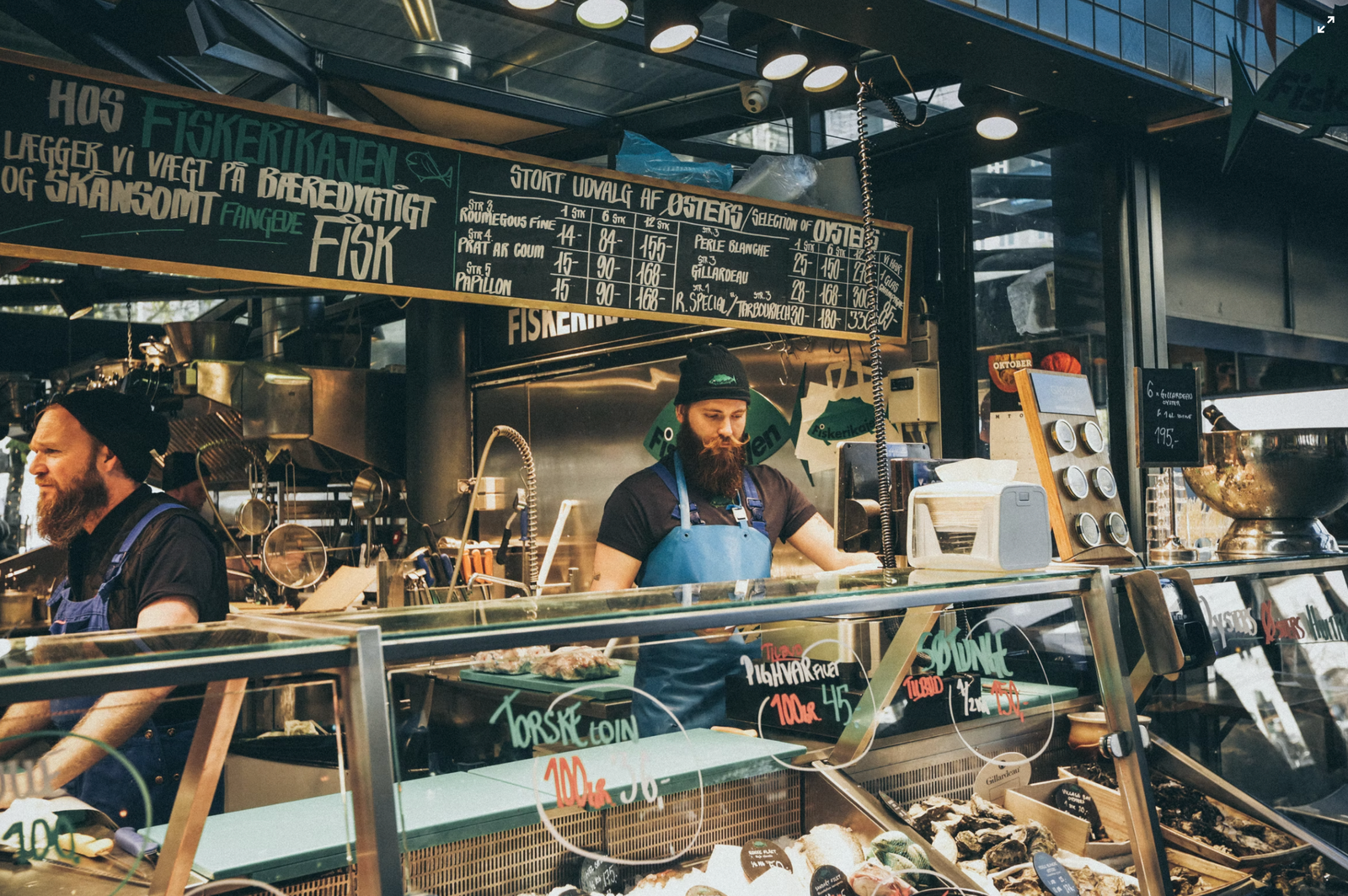
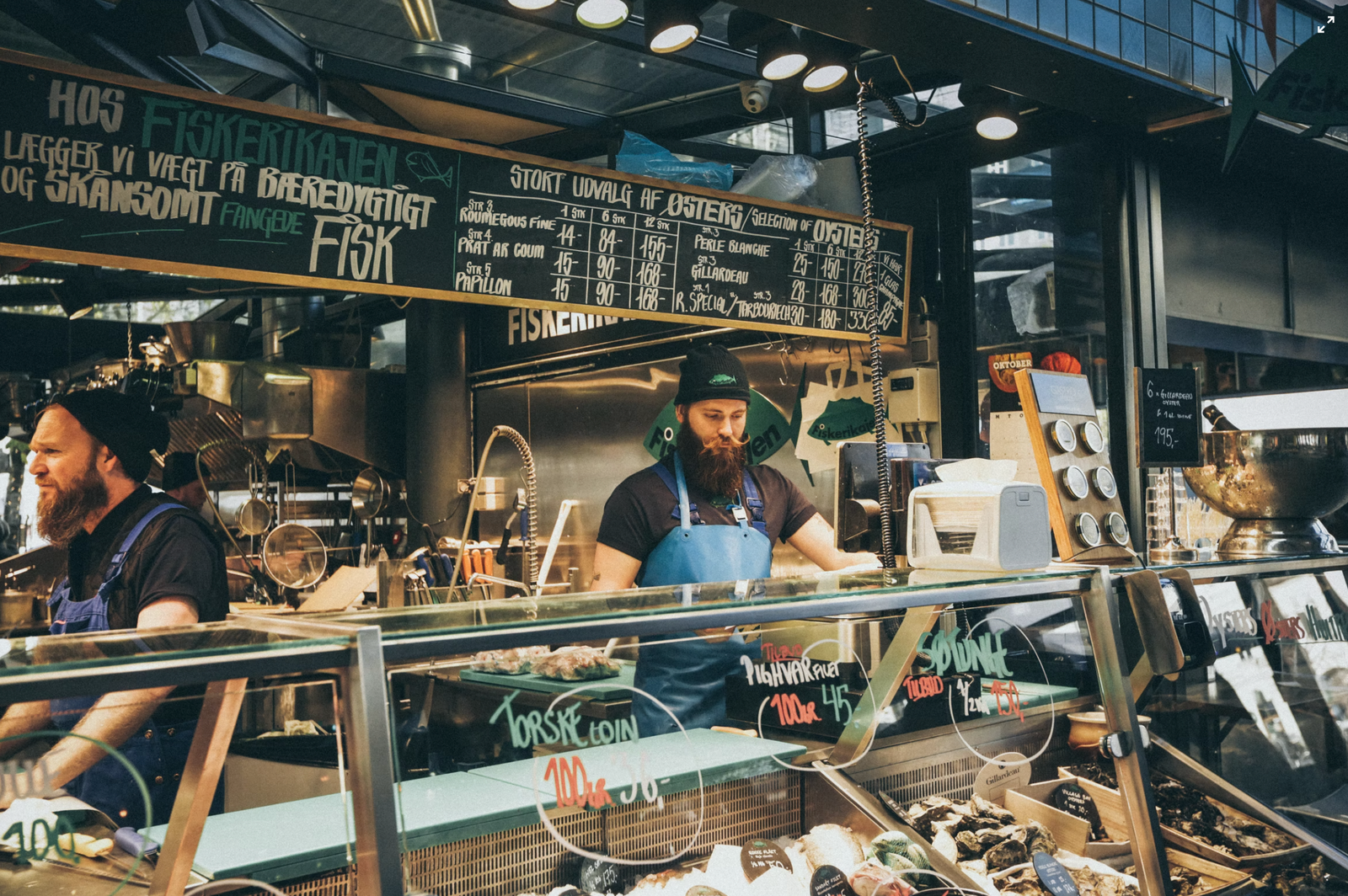
    man hipster beard deli europe

    A keto diet is based on meat and fat. Scientists say the diet improves spatial memory and visual memory, lowers indices of brain inflammation, causes less neuronal death and slows down the rate of cellular aging.

    A new study published in Science Advances by researchers at the University of Utah Health raises serious questions about the long-term safety of the ketogenic diet — the popular high-fat, low-carbohydrate eating plan that promises fast weight loss and sharper focus.

    The research, conducted on mice, shows that while keto can prevent weight gain, it may also cause fatty liver disease and impair blood sugar regulation, with some harmful changes appearing in just days.

    “We’ve seen short-term studies and those just looking at weight, but not really any studies looking at what happens over the longer term or with other facets of metabolic health,” said Molly Gallop, PhD, now an assistant professor of anatomy and physiology at Earlham College, who led the study as a postdoctoral fellow in nutrition and integrative physiology at U of U Health.

    From Epilepsy Treatment to Diet Trend

    Originally developed as a treatment for epilepsy nearly a century ago, the ketogenic diet forces the body into a metabolic state called ketosis, where fat — rather than carbohydrates — becomes the primary energy source. While short-term results can include reduced seizures, rapid fat loss, and improved insulin sensitivity, the new findings suggest that long-term effects may be more troubling.

    “One thing that’s very clear is that if you have a really high-fat diet, the lipids have to go somewhere, and they usually end up in the blood and the liver,” explained Amandine Chaix, PhD, senior author of the study and assistant professor of nutrition and integrative physiology at U of U Health.

    Researchers fed male and female mice one of four diets for nine months — the human equivalent of several years. Those on the classic ketogenic diet, where nearly all calories come from fat, gained less weight than mice on a Western diet. But despite staying slimmer, they developed severe metabolic complications, including fatty liver disease.

    The liver damage appeared especially pronounced in male mice. Females seemed somewhat protected, and scientists plan to investigate why. The study also uncovered a paradox. After two to three months, keto-fed mice had low levels of blood sugar and insulin — seemingly positive indicators. Yet when given carbohydrates, their blood sugar spiked dangerously and stayed high.

    “The problem is that when you then give these mice a little bit of carbs, their carb response is completely skewed,” said Chaix. “Their blood glucose goes really high for really long, and that’s quite dangerous.”

    Further investigation showed that insulin-producing cells in the pancreas were under stress and not functioning properly. The high-fat environment appeared to damage how these cells handled proteins, disturbing their ability to secrete insulin.

    A Reversible but Serious Warning

    The good news: when the mice stopped the ketogenic diet, their metabolism began to recover. But the overall message remains cautionary. “I would urge anyone to talk to a health care provider if they’re thinking about going on a ketogenic diet,” Gallop advised.

    If these results hold true in humans, long-term ketogenic diets may carry serious health risks, including fatty liver disease and impaired blood sugar regulation — even if the scale shows success. More research is needed to sound the alarm, but consider talking to your doctor before you start a new diet is the take home message.

    Read on for more ket news you can use

    The post New study points to possible long-term damage on the keto diet appeared first on Green Prophet.

  • Why fewer lung transplants go to women

    Why fewer lung transplants go to women

    Women often have a smaller body size, which limits the number of donor lungs that are physically compatible. They are also more likely to develop antibodies from prior pregnancies, blood transfusions, or autoimmune conditions, making it harder for their bodies to accept many potential donor organs. Together, these factors significantly narrow the pool of compatible donors, Ardehali said.

    The post Why fewer lung transplants go to women appeared first on Green Prophet.

    man hipster beard deli europe

    A keto diet is based on meat and fat. Scientists say the diet improves spatial memory and visual memory, lowers indices of brain inflammation, causes less neuronal death and slows down the rate of cellular aging.

    A new study published in Science Advances by researchers at the University of Utah Health raises serious questions about the long-term safety of the ketogenic diet — the popular high-fat, low-carbohydrate eating plan that promises fast weight loss and sharper focus.

    The research, conducted on mice, shows that while keto can prevent weight gain, it may also cause fatty liver disease and impair blood sugar regulation, with some harmful changes appearing in just days.

    “We’ve seen short-term studies and those just looking at weight, but not really any studies looking at what happens over the longer term or with other facets of metabolic health,” said Molly Gallop, PhD, now an assistant professor of anatomy and physiology at Earlham College, who led the study as a postdoctoral fellow in nutrition and integrative physiology at U of U Health.

    From Epilepsy Treatment to Diet Trend

    Originally developed as a treatment for epilepsy nearly a century ago, the ketogenic diet forces the body into a metabolic state called ketosis, where fat — rather than carbohydrates — becomes the primary energy source. While short-term results can include reduced seizures, rapid fat loss, and improved insulin sensitivity, the new findings suggest that long-term effects may be more troubling.

    “One thing that’s very clear is that if you have a really high-fat diet, the lipids have to go somewhere, and they usually end up in the blood and the liver,” explained Amandine Chaix, PhD, senior author of the study and assistant professor of nutrition and integrative physiology at U of U Health.

    Researchers fed male and female mice one of four diets for nine months — the human equivalent of several years. Those on the classic ketogenic diet, where nearly all calories come from fat, gained less weight than mice on a Western diet. But despite staying slimmer, they developed severe metabolic complications, including fatty liver disease.

    The liver damage appeared especially pronounced in male mice. Females seemed somewhat protected, and scientists plan to investigate why. The study also uncovered a paradox. After two to three months, keto-fed mice had low levels of blood sugar and insulin — seemingly positive indicators. Yet when given carbohydrates, their blood sugar spiked dangerously and stayed high.

    “The problem is that when you then give these mice a little bit of carbs, their carb response is completely skewed,” said Chaix. “Their blood glucose goes really high for really long, and that’s quite dangerous.”

    Further investigation showed that insulin-producing cells in the pancreas were under stress and not functioning properly. The high-fat environment appeared to damage how these cells handled proteins, disturbing their ability to secrete insulin.

    A Reversible but Serious Warning

    The good news: when the mice stopped the ketogenic diet, their metabolism began to recover. But the overall message remains cautionary. “I would urge anyone to talk to a health care provider if they’re thinking about going on a ketogenic diet,” Gallop advised.

    If these results hold true in humans, long-term ketogenic diets may carry serious health risks, including fatty liver disease and impaired blood sugar regulation — even if the scale shows success. More research is needed to sound the alarm, but consider talking to your doctor before you start a new diet is the take home message.

    Read on for more ket news you can use

    The post New study points to possible long-term damage on the keto diet appeared first on Green Prophet.