Blog

  • The Song That Surprisingly Brought Me Back to Life

    The Song That Surprisingly Brought Me Back to Life

    “Music was my refuge. I could crawl into the space between the notes and curl my back to loneliness.” ~Maya Angelou

    I used to believe that healing and personal transformation required a lot of effort—writing page after page in a journal or getting up at the crack of dawn to carry out a morning routine, to name a couple.

    When I moved through a phase of numbness—or the tunnel of darkness, as I now call it—it was frightening, and there seemed to be no end in sight. But one song found me at the right moment and changed everything.

    In …

    “As a solid rock is not shaken by the wind, the wise are not shaken by praise or blame.” ~The Dhammapada, Verse 81

    Some moments lift you like moonlight. Others break you like a wave. I’ve lived through both—and I’ve come to believe that the way we move through these emotional thresholds defines who we become.

    By thresholds, I mean the turning points in our lives—experiences so vivid, painful, or awe-filled that they pull us out of our usual routines and bring us face to face with something real. Some come in silence, others with sound and light, but they all leave a mark. And they ask something of us.

    The Night the Frogs Were Singing

    Years ago, I was in San Ignacio, Baja California Sur—a small town nestled in the middle of a vast, harsh desert. But this desert hid a secret: a spring-fed river winding quietly through thick reeds and groves of towering palms.

    One night, I walked alone along the water. The full moon lit everything in silver. The town was asleep, but the frogs were wide awake—thousands of them—and their voices filled the night.

    It sounded like a million. A strong, unstoppable chorus rising into the sky, as if they were singing to the gods in heaven.

    Insects danced in the air like sparks. The river shimmered. I stood in the stillness, listening.

    And then, something in me lifted.

    My breath slowed. My thoughts stopped. I felt unbound—present, light, completely inside the moment.

    I felt like I could fly.

    Not in fantasy—but in my body. As if for one rare instant, the weight of everything had fallen away. I wasn’t watching the world. I was part of it. Connected to the frogs, the moonlight, the pulse of life itself.

    That was a threshold I crossed without knowing. Not a dramatic one, but sacred. A moment of wholeness so complete it continues to echo, years later.

    Not All Thresholds Are Joyful

    That night by the river was one edge of the spectrum. The other is something far harder.

    I recently read about a mother who lost her entire family in the span of a year. Her husband died unexpectedly. Then her son, in a car crash. Then, her only surviving daughter was swept away in the Texas floods.

    From a full home to unbearable silence—in just twelve months.

    I can’t imagine the depth of that grief. But I recognize it as a threshold too—a point from which there is no going back. Loss like that doesn’t just wound—it transforms. It alters the shape of time and identity. It demands a new way of living.

    And it reminds me: thresholds aren’t always moments we choose. Sometimes, they choose us.

    The Man in Ermita

    I also think of a man I used to see every day on a busy street corner in Ermita, Metro Manila. The intersection was chaotic—taxis, vendors, honking horns, kids weaving through traffic. And there, beside the 7-Eleven, was a man rolling back and forth on a small wooden board with wheels.

    He had no legs. His arms were short and deformed. That wooden platform was his only home, his only transportation, his only constant.

    He didn’t shout or beg loudly. He just moved. Quietly. Present. Enduring.

    And I often wondered: What are thresholds for him? What brings him joy? What pain does he carry that none of us see?

    His life taught me something. That some thresholds are lived every single day—without drama, without noise. Some are carved into the body. Into the street. Into the act of continuing on, no matter who notices.

    We each live on our own spectrum of experience. And his presence helped me recognize that my own joys and struggles don’t exist in isolation—they live alongside countless others, equally deep, equally human.

    The Emotional Spectrum We All Move Through

    These three stories—the night of the frogs, the mother’s loss, the man in Ermita—might seem unrelated. But they’re not.

    They’re all thresholds.

    • One is a threshold of awe.
    • One is a threshold of grief.
    • One is a threshold of silent resilience.

    They represent different points on the same emotional spectrum. And the deeper I reflect, the more I understand that we are all moving along that spectrum—back and forth, again and again.

    What Balance Really Means

    We’re often told to seek balance. But I don’t think balance means calm neutrality, or avoiding emotional extremes.

    To me, balance is the ability to stay grounded while being stretched. To remember joy even in sorrow. To hold stillness even when life is loud. To feel everything—and not shut down.

    Wisdom isn’t the absence of intensity. It’s the willingness to stay with whatever life brings—and keep walking.

    Writing has been my way of staying grounded.

    Therapy helped me find the words. But writing gave me a place to live them. It helps me remember what I’ve felt—and understand what it meant. It’s how I make peace with the past. It’s how I reach forward toward something whole.

    When I write, I return to that night in San Ignacio. I also return to the man in Ermita, and to the countless thresholds I’ve passed through quietly—some with joy, some with pain.

    Writing helps me stay with what is real, even when it’s hard. Especially when it’s hard.

    An Invitation to You

    Maybe you’ve had your own version of that river night—an unexpected moment of beauty or clarity. Or maybe you’re sitting with a threshold you didn’t choose—grief, fear, change, uncertainty. Maybe you’re surviving silently, like the man on the wooden board.

    Wherever you are on the spectrum, I want to say this: The thresholds we pass through don’t make us weaker. They shape us. They wake us up. They teach us presence—not perfection—if we choose to stay with our experience, even when it hurts.

    If you’re writing, reflecting, or simply breathing through it all—you’re already on the path.

    And that path will one day lead you to another threshold somewhere else on the spectrum. So stay open to each transformative moment, and let them shape you into someone more alive, more resilient, and more balanced.

    About Tony Collins

    Tony Collins is a documentary filmmaker, educator, and writer whose work explores creativity, caregiving, and personal growth. He is the author of: Windows to the Sea—a moving collection of essays on love, loss, and presence. Creative Scholarship—a guide for educators and artists rethinking how creative work is valued. Tony writes to reflect on what matters—and to help others feel less alone.

    Get in the conversation! Click here to leave a comment on the site.

  • Finding Balance Through the Full Spectrum of Emotion

    Finding Balance Through the Full Spectrum of Emotion

    “As a solid rock is not shaken by the wind, the wise are not shaken by praise or blame.” ~The Dhammapada, Verse 81

    Some moments lift you like moonlight. Others break you like a wave. I’ve lived through both—and I’ve come to believe that the way we move through these emotional thresholds defines who we become.

    By thresholds, I mean the turning points in our lives—experiences so vivid, painful, or awe-filled that they pull us out of our usual routines and bring us face to face with something real. Some come in silence, others with sound and …

    “As a solid rock is not shaken by the wind, the wise are not shaken by praise or blame.” ~The Dhammapada, Verse 81

    Some moments lift you like moonlight. Others break you like a wave. I’ve lived through both—and I’ve come to believe that the way we move through these emotional thresholds defines who we become.

    By thresholds, I mean the turning points in our lives—experiences so vivid, painful, or awe-filled that they pull us out of our usual routines and bring us face to face with something real. Some come in silence, others with sound and light, but they all leave a mark. And they ask something of us.

    The Night the Frogs Were Singing

    Years ago, I was in San Ignacio, Baja California Sur—a small town nestled in the middle of a vast, harsh desert. But this desert hid a secret: a spring-fed river winding quietly through thick reeds and groves of towering palms.

    One night, I walked alone along the water. The full moon lit everything in silver. The town was asleep, but the frogs were wide awake—thousands of them—and their voices filled the night.

    It sounded like a million. A strong, unstoppable chorus rising into the sky, as if they were singing to the gods in heaven.

    Insects danced in the air like sparks. The river shimmered. I stood in the stillness, listening.

    And then, something in me lifted.

    My breath slowed. My thoughts stopped. I felt unbound—present, light, completely inside the moment.

    I felt like I could fly.

    Not in fantasy—but in my body. As if for one rare instant, the weight of everything had fallen away. I wasn’t watching the world. I was part of it. Connected to the frogs, the moonlight, the pulse of life itself.

    That was a threshold I crossed without knowing. Not a dramatic one, but sacred. A moment of wholeness so complete it continues to echo, years later.

    Not All Thresholds Are Joyful

    That night by the river was one edge of the spectrum. The other is something far harder.

    I recently read about a mother who lost her entire family in the span of a year. Her husband died unexpectedly. Then her son, in a car crash. Then, her only surviving daughter was swept away in the Texas floods.

    From a full home to unbearable silence—in just twelve months.

    I can’t imagine the depth of that grief. But I recognize it as a threshold too—a point from which there is no going back. Loss like that doesn’t just wound—it transforms. It alters the shape of time and identity. It demands a new way of living.

    And it reminds me: thresholds aren’t always moments we choose. Sometimes, they choose us.

    The Man in Ermita

    I also think of a man I used to see every day on a busy street corner in Ermita, Metro Manila. The intersection was chaotic—taxis, vendors, honking horns, kids weaving through traffic. And there, beside the 7-Eleven, was a man rolling back and forth on a small wooden board with wheels.

    He had no legs. His arms were short and deformed. That wooden platform was his only home, his only transportation, his only constant.

    He didn’t shout or beg loudly. He just moved. Quietly. Present. Enduring.

    And I often wondered: What are thresholds for him? What brings him joy? What pain does he carry that none of us see?

    His life taught me something. That some thresholds are lived every single day—without drama, without noise. Some are carved into the body. Into the street. Into the act of continuing on, no matter who notices.

    We each live on our own spectrum of experience. And his presence helped me recognize that my own joys and struggles don’t exist in isolation—they live alongside countless others, equally deep, equally human.

    The Emotional Spectrum We All Move Through

    These three stories—the night of the frogs, the mother’s loss, the man in Ermita—might seem unrelated. But they’re not.

    They’re all thresholds.

    • One is a threshold of awe.
    • One is a threshold of grief.
    • One is a threshold of silent resilience.

    They represent different points on the same emotional spectrum. And the deeper I reflect, the more I understand that we are all moving along that spectrum—back and forth, again and again.

    What Balance Really Means

    We’re often told to seek balance. But I don’t think balance means calm neutrality, or avoiding emotional extremes.

    To me, balance is the ability to stay grounded while being stretched. To remember joy even in sorrow. To hold stillness even when life is loud. To feel everything—and not shut down.

    Wisdom isn’t the absence of intensity. It’s the willingness to stay with whatever life brings—and keep walking.

    Writing has been my way of staying grounded.

    Therapy helped me find the words. But writing gave me a place to live them. It helps me remember what I’ve felt—and understand what it meant. It’s how I make peace with the past. It’s how I reach forward toward something whole.

    When I write, I return to that night in San Ignacio. I also return to the man in Ermita, and to the countless thresholds I’ve passed through quietly—some with joy, some with pain.

    Writing helps me stay with what is real, even when it’s hard. Especially when it’s hard.

    An Invitation to You

    Maybe you’ve had your own version of that river night—an unexpected moment of beauty or clarity. Or maybe you’re sitting with a threshold you didn’t choose—grief, fear, change, uncertainty. Maybe you’re surviving silently, like the man on the wooden board.

    Wherever you are on the spectrum, I want to say this: The thresholds we pass through don’t make us weaker. They shape us. They wake us up. They teach us presence—not perfection—if we choose to stay with our experience, even when it hurts.

    If you’re writing, reflecting, or simply breathing through it all—you’re already on the path.

    And that path will one day lead you to another threshold somewhere else on the spectrum. So stay open to each transformative moment, and let them shape you into someone more alive, more resilient, and more balanced.

    About Tony Collins

    Tony Collins is a documentary filmmaker, educator, and writer whose work explores creativity, caregiving, and personal growth. He is the author of: Windows to the Sea—a moving collection of essays on love, loss, and presence. Creative Scholarship—a guide for educators and artists rethinking how creative work is valued. Tony writes to reflect on what matters—and to help others feel less alone.

    Get in the conversation! Click here to leave a comment on the site.
  • The smell of you, starts at the Voo temple in Berlin

    The scent of a hidden backroom where someone rolls a cigarette with ritual precision. Tobacco leaf, tea smoke, and the holy pause between inhale and exhale. Maybe it was your dad’s wine cigar in the 70s. Be transported in this scent of a time machine that can take you back and transport you into the future.

    The post The smell of you, starts at the Voo temple in Berlin appeared first on Green Prophet.

    Big Bluestem quilt Pauline Burbidge, cyanotype quilt art, modern folk craft movement, contemporary textile archive, botanical imprint fabric, prairie grass quilt design, handmade cyanotype quilt, Pauline Burbidge botanical quilt, International Quilt Museum Nebraska collection, textile memory mapping art, slow craft cyanotype fabric, regenerative craft movement, neo-folk textile art, land-connected quilting revival, cyanotype prairie grass fabric art, modern quilt artist Pauline Burbidge, botanical cyanotype craft movement, fabric as archive quilt, nature imprint folk craft, new craft folk textile movement

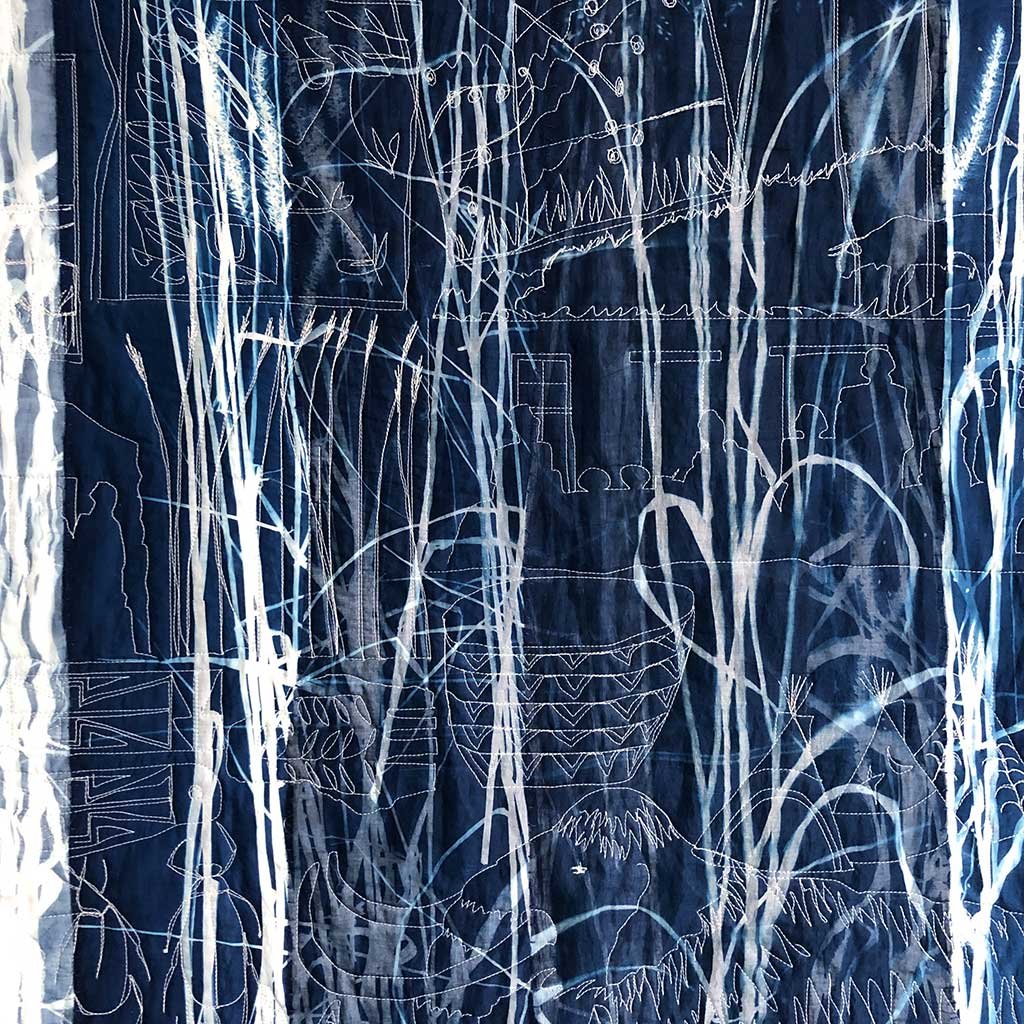
    Close-up of Pauline Burbidge’s botanical quilt work showing cyanotype impressions of Nebraska grasses, blending textile art with land memory and ecological storytelling

    A newly commissioned quilt, “Big Bluestem,” by textile artist Pauline Burbidge has entered the permanent collection at the International Quilt Museum at the University of Nebraska–Lincoln. Created using cyanotype techniques on fabric—an old 19th-century sun-printing method once used for botanical documentation—the quilt captures grasses from Nebraska’s prairies and turns them into a living memory map. Fossils, bison, insects, and historic symbols are stitched into the back like a quiet ledger of land and humanity.

    Big Bluestem quilt Pauline Burbidge, cyanotype quilt art, modern folk craft movement, contemporary textile archive, botanical imprint fabric, prairie grass quilt design, handmade cyanotype quilt, Pauline Burbidge botanical quilt, International Quilt Museum Nebraska collection, textile memory mapping art, slow craft cyanotype fabric, regenerative craft movement, neo-folk textile art, land-connected quilting revival, cyanotype prairie grass fabric art, modern quilt artist Pauline Burbidge, botanical cyanotype craft movement, fabric as archive quilt, nature imprint folk craft, new craft folk textile movement

    Modern quilt art by Pauline Burbidge displayed at the International Quilt Museum, showcasing the revival of handcraft in contemporary textile culture.

    Big Bluestem quilt Pauline Burbidge, cyanotype quilt art, modern folk craft movement, contemporary textile archive, botanical imprint fabric, prairie grass quilt design, handmade cyanotype quilt, Pauline Burbidge botanical quilt, International Quilt Museum Nebraska collection, textile memory mapping art, slow craft cyanotype fabric, regenerative craft movement, neo-folk textile art, land-connected quilting revival, cyanotype prairie grass fabric art, modern quilt artist Pauline Burbidge, botanical cyanotype craft movement, fabric as archive quilt, nature imprint folk craft, new craft folk textile movement

    A cyanotype quilt titled “Big Bluestem” by Pauline Burbidge, featuring prairie grasses imprinted on fabric using 19th-century sun printing techniques, part of the new folk craft movement.

    We’ve been experimenting with cyanotype over the years and love how you can take objects and prints and turn them into photographs.

    This return to slow, tactile, land-connected craft echoes a larger cultural shift we’re seeing across climate art, regenerative design, and local storytelling. Quilts are becoming scrolls. Soil is becoming ink. Memory is becoming a material.

    Pauline says: “To me, the importance of the tall-grasses is key to our future balance – the well-being of humans, animals and plant life. There are very few Tall-Grass Prairies left! I would love to see more conservation and development of them – they are so important!”

    Craft as Archive: Dirt, Ink, and Healing Objects

    Karin Kloosterman, Nova Cups made with dirt from the Nova dance floor

    Karin Kloosterman, Nova Cups made with dirt from the Nova dance floor

    @greenprophet Reposted from @Kedma_link We travelled to the site of the Nova dance floor October 7th massacre with our mother and collected earth from the dance floor. The memorials written by mothers for their daughters and sons tore our hearts out. Our Scottish mother cried and screamed to us last night — let the world know what happened in Israel! They don’t know. They don’t understand. We don’t want to fight. There is a belief in the Holy Land that all material carries a divine spark. And the materials and matter that come into our lives has a purpose, just like relationships, fortune, love, and pain. While we can’t form complete pots or cups from sand, we imbue our vessels with sparks of the earthen memory from Nova and are curious to see if something extra, like a maker’s spirit, can be felt when holding or drinking from such cups. We are looking for people from all over the world to try our experiment. Can you feel anything that matters in the material you hold? Can we redeem the pain, or matter for that matter? Drop us a line in the comments with your location if you want us to send you a Nova Earth cup. We have 20 to give away and are looking for people from all over the world to participate. #Jaffa #novaearth #pottery #materialmatters #ceramic ♬ Will Ye Go, Lassie Go? – Lola Kirke & Peter Dreams & Brian Dunphy & Darren Holden & Jack O’Connell & Sinners Movie

    Canadian experimental artist Karin Kloosterman, founder of Green Prophet and a regular contributor here (read her latest on how to escape a cyborg take-over by hiding out in Berlin at Michelberger Hotel), has been making vessels and tea cups using soil collected from sites of cultural and emotional rupture. One of her recent series includes 18 healing cups made from the earth of the Nova music festival dance floor, reclaiming soil touched by grief and turning it into a shared ritual of remembrance. She also embeds seeds and found materials into vessels as anonymous time capsules, to be uncovered by future humans in a cyborg world.

    Jason Logan’s “Make Ink” project in Toronto creates pigments using rusted scaffolding bolts, berries from alleyways, copper pipes, and soot from bus stops—turning urban scrap into poetic, usable color. The book is a handbook for those who want to create ink as memory rather than commodity. Andrian Pepe in Lebanon reconstructs identity through wool and traditional textile forms, using craft as emotional cartography.

    Experimental biofabricators are now printing patterns on fabric using mushroom-based inks, and even making mushroom paper and mushroom-based leather—creating textiles that age, change, and biodegrade intentionally. Quilts that are meant to return to the earth.

    From Knitting Elephant Sweaters to Soil Teacups – Folk Traditions in the Anthropocene

    Adrian Pepe

    On Green Prophet, we’ve covered similar folk gestures over the years: The knitters in India making oversized sweaters for cold elephants, a gesture of absurd tenderness that went viral. Women’s collectives in the Middle East knitting protection around trees like they were family members.

    Knitting sweaters for elephants in India

    Knitting sweaters for elephants in India

    These are not just cute stories. They signal something deeper: a hunger for connection to land through material ritual. When the digital world feels weightless, people turn to thread, soil, and plant dyes as a way to say: we are still here.

    Start Some Projects With Your Local Spirit and Materials

    Make quilts printed with plant shadows using sunlight and mushroom ink. Begin soil ceremonies—collect clay or earth from places under stress and turn it into vessels or fabric dyes. Create urban ink labs in schools and kitchens, inspired by Make Ink. Start a climate memory quilt—invite refugees, festival-goers, farmers, firefighters to each contribute a patch using pigment or soil from their land.

    Love the idea of craft from place? Read these articles on Green Prophet:

    Cycling in Japan to make socks

    In Japan you can also knit socks while cycling

    The post Quilts, Soil, and the New Folk Memory Movement appeared first on Green Prophet.

  • Review: Michelberger – A Home Base for the Last Cool City on Earth

    Berlin still feels like the last real city where you can just walk out the door and live without a schedule. Staying at Michelberger gave us a base in the middle of Friedrichshain’s raw energy – near RAW-Gelände, Skatehalle, Boxi and all the vegan food and alt shops you could want. From there, Berlin unfolds on foot, by tram, and without ever needing a tourist plan.

    The post Review: Michelberger – A Home Base for the Last Cool City on Earth appeared first on Green Prophet.

    Big Bluestem quilt Pauline Burbidge, cyanotype quilt art, modern folk craft movement, contemporary textile archive, botanical imprint fabric, prairie grass quilt design, handmade cyanotype quilt, Pauline Burbidge botanical quilt, International Quilt Museum Nebraska collection, textile memory mapping art, slow craft cyanotype fabric, regenerative craft movement, neo-folk textile art, land-connected quilting revival, cyanotype prairie grass fabric art, modern quilt artist Pauline Burbidge, botanical cyanotype craft movement, fabric as archive quilt, nature imprint folk craft, new craft folk textile movement

    Close-up of Pauline Burbidge’s botanical quilt work showing cyanotype impressions of Nebraska grasses, blending textile art with land memory and ecological storytelling

    A newly commissioned quilt, “Big Bluestem,” by textile artist Pauline Burbidge has entered the permanent collection at the International Quilt Museum at the University of Nebraska–Lincoln. Created using cyanotype techniques on fabric—an old 19th-century sun-printing method once used for botanical documentation—the quilt captures grasses from Nebraska’s prairies and turns them into a living memory map. Fossils, bison, insects, and historic symbols are stitched into the back like a quiet ledger of land and humanity.

    Big Bluestem quilt Pauline Burbidge, cyanotype quilt art, modern folk craft movement, contemporary textile archive, botanical imprint fabric, prairie grass quilt design, handmade cyanotype quilt, Pauline Burbidge botanical quilt, International Quilt Museum Nebraska collection, textile memory mapping art, slow craft cyanotype fabric, regenerative craft movement, neo-folk textile art, land-connected quilting revival, cyanotype prairie grass fabric art, modern quilt artist Pauline Burbidge, botanical cyanotype craft movement, fabric as archive quilt, nature imprint folk craft, new craft folk textile movement

    Modern quilt art by Pauline Burbidge displayed at the International Quilt Museum, showcasing the revival of handcraft in contemporary textile culture.

    Big Bluestem quilt Pauline Burbidge, cyanotype quilt art, modern folk craft movement, contemporary textile archive, botanical imprint fabric, prairie grass quilt design, handmade cyanotype quilt, Pauline Burbidge botanical quilt, International Quilt Museum Nebraska collection, textile memory mapping art, slow craft cyanotype fabric, regenerative craft movement, neo-folk textile art, land-connected quilting revival, cyanotype prairie grass fabric art, modern quilt artist Pauline Burbidge, botanical cyanotype craft movement, fabric as archive quilt, nature imprint folk craft, new craft folk textile movement

    A cyanotype quilt titled “Big Bluestem” by Pauline Burbidge, featuring prairie grasses imprinted on fabric using 19th-century sun printing techniques, part of the new folk craft movement.

    We’ve been experimenting with cyanotype over the years and love how you can take objects and prints and turn them into photographs.

    This return to slow, tactile, land-connected craft echoes a larger cultural shift we’re seeing across climate art, regenerative design, and local storytelling. Quilts are becoming scrolls. Soil is becoming ink. Memory is becoming a material.

    Pauline says: “To me, the importance of the tall-grasses is key to our future balance – the well-being of humans, animals and plant life. There are very few Tall-Grass Prairies left! I would love to see more conservation and development of them – they are so important!”

    Craft as Archive: Dirt, Ink, and Healing Objects

    Karin Kloosterman, Nova Cups made with dirt from the Nova dance floor

    Karin Kloosterman, Nova Cups made with dirt from the Nova dance floor

    @greenprophet Reposted from @Kedma_link We travelled to the site of the Nova dance floor October 7th massacre with our mother and collected earth from the dance floor. The memorials written by mothers for their daughters and sons tore our hearts out. Our Scottish mother cried and screamed to us last night — let the world know what happened in Israel! They don’t know. They don’t understand. We don’t want to fight. There is a belief in the Holy Land that all material carries a divine spark. And the materials and matter that come into our lives has a purpose, just like relationships, fortune, love, and pain. While we can’t form complete pots or cups from sand, we imbue our vessels with sparks of the earthen memory from Nova and are curious to see if something extra, like a maker’s spirit, can be felt when holding or drinking from such cups. We are looking for people from all over the world to try our experiment. Can you feel anything that matters in the material you hold? Can we redeem the pain, or matter for that matter? Drop us a line in the comments with your location if you want us to send you a Nova Earth cup. We have 20 to give away and are looking for people from all over the world to participate. #Jaffa #novaearth #pottery #materialmatters #ceramic ♬ Will Ye Go, Lassie Go? – Lola Kirke & Peter Dreams & Brian Dunphy & Darren Holden & Jack O’Connell & Sinners Movie

    Canadian experimental artist Karin Kloosterman, founder of Green Prophet and a regular contributor here (read her latest on how to escape a cyborg take-over by hiding out in Berlin at Michelberger Hotel), has been making vessels and tea cups using soil collected from sites of cultural and emotional rupture. One of her recent series includes 18 healing cups made from the earth of the Nova music festival dance floor, reclaiming soil touched by grief and turning it into a shared ritual of remembrance. She also embeds seeds and found materials into vessels as anonymous time capsules, to be uncovered by future humans in a cyborg world.

    Jason Logan’s “Make Ink” project in Toronto creates pigments using rusted scaffolding bolts, berries from alleyways, copper pipes, and soot from bus stops—turning urban scrap into poetic, usable color. The book is a handbook for those who want to create ink as memory rather than commodity. Andrian Pepe in Lebanon reconstructs identity through wool and traditional textile forms, using craft as emotional cartography.

    Experimental biofabricators are now printing patterns on fabric using mushroom-based inks, and even making mushroom paper and mushroom-based leather—creating textiles that age, change, and biodegrade intentionally. Quilts that are meant to return to the earth.

    From Knitting Elephant Sweaters to Soil Teacups – Folk Traditions in the Anthropocene

    Adrian Pepe

    On Green Prophet, we’ve covered similar folk gestures over the years: The knitters in India making oversized sweaters for cold elephants, a gesture of absurd tenderness that went viral. Women’s collectives in the Middle East knitting protection around trees like they were family members.

    Knitting sweaters for elephants in India

    Knitting sweaters for elephants in India

    These are not just cute stories. They signal something deeper: a hunger for connection to land through material ritual. When the digital world feels weightless, people turn to thread, soil, and plant dyes as a way to say: we are still here.

    Start Some Projects With Your Local Spirit and Materials

    Make quilts printed with plant shadows using sunlight and mushroom ink. Begin soil ceremonies—collect clay or earth from places under stress and turn it into vessels or fabric dyes. Create urban ink labs in schools and kitchens, inspired by Make Ink. Start a climate memory quilt—invite refugees, festival-goers, farmers, firefighters to each contribute a patch using pigment or soil from their land.

    Love the idea of craft from place? Read these articles on Green Prophet:

    Cycling in Japan to make socks

    In Japan you can also knit socks while cycling

    The post Quilts, Soil, and the New Folk Memory Movement appeared first on Green Prophet.

  • World Breaks Renewable Records — But Still Not Fast Enough to Meet 2030 Goal, IRENA Warns

    In MENA and Mediterranean markets we cover, solar fields now sit ready but under-connected, as grid modernisation lags behind flashy capacity announcements. The region — especially Gulf and North African economies — could play a major role in closing the global gap, but only if infrastructure catches up with ambition and clean tech manufacturing localises, rather than relying on fragile import chains.

    The post World Breaks Renewable Records — But Still Not Fast Enough to Meet 2030 Goal, IRENA Warns appeared first on Green Prophet.

    Big Bluestem quilt Pauline Burbidge, cyanotype quilt art, modern folk craft movement, contemporary textile archive, botanical imprint fabric, prairie grass quilt design, handmade cyanotype quilt, Pauline Burbidge botanical quilt, International Quilt Museum Nebraska collection, textile memory mapping art, slow craft cyanotype fabric, regenerative craft movement, neo-folk textile art, land-connected quilting revival, cyanotype prairie grass fabric art, modern quilt artist Pauline Burbidge, botanical cyanotype craft movement, fabric as archive quilt, nature imprint folk craft, new craft folk textile movement

    Close-up of Pauline Burbidge’s botanical quilt work showing cyanotype impressions of Nebraska grasses, blending textile art with land memory and ecological storytelling

    A newly commissioned quilt, “Big Bluestem,” by textile artist Pauline Burbidge has entered the permanent collection at the International Quilt Museum at the University of Nebraska–Lincoln. Created using cyanotype techniques on fabric—an old 19th-century sun-printing method once used for botanical documentation—the quilt captures grasses from Nebraska’s prairies and turns them into a living memory map. Fossils, bison, insects, and historic symbols are stitched into the back like a quiet ledger of land and humanity.

    Big Bluestem quilt Pauline Burbidge, cyanotype quilt art, modern folk craft movement, contemporary textile archive, botanical imprint fabric, prairie grass quilt design, handmade cyanotype quilt, Pauline Burbidge botanical quilt, International Quilt Museum Nebraska collection, textile memory mapping art, slow craft cyanotype fabric, regenerative craft movement, neo-folk textile art, land-connected quilting revival, cyanotype prairie grass fabric art, modern quilt artist Pauline Burbidge, botanical cyanotype craft movement, fabric as archive quilt, nature imprint folk craft, new craft folk textile movement

    Modern quilt art by Pauline Burbidge displayed at the International Quilt Museum, showcasing the revival of handcraft in contemporary textile culture.

    Big Bluestem quilt Pauline Burbidge, cyanotype quilt art, modern folk craft movement, contemporary textile archive, botanical imprint fabric, prairie grass quilt design, handmade cyanotype quilt, Pauline Burbidge botanical quilt, International Quilt Museum Nebraska collection, textile memory mapping art, slow craft cyanotype fabric, regenerative craft movement, neo-folk textile art, land-connected quilting revival, cyanotype prairie grass fabric art, modern quilt artist Pauline Burbidge, botanical cyanotype craft movement, fabric as archive quilt, nature imprint folk craft, new craft folk textile movement

    A cyanotype quilt titled “Big Bluestem” by Pauline Burbidge, featuring prairie grasses imprinted on fabric using 19th-century sun printing techniques, part of the new folk craft movement.

    We’ve been experimenting with cyanotype over the years and love how you can take objects and prints and turn them into photographs.

    This return to slow, tactile, land-connected craft echoes a larger cultural shift we’re seeing across climate art, regenerative design, and local storytelling. Quilts are becoming scrolls. Soil is becoming ink. Memory is becoming a material.

    Pauline says: “To me, the importance of the tall-grasses is key to our future balance – the well-being of humans, animals and plant life. There are very few Tall-Grass Prairies left! I would love to see more conservation and development of them – they are so important!”

    Craft as Archive: Dirt, Ink, and Healing Objects

    Karin Kloosterman, Nova Cups made with dirt from the Nova dance floor

    Karin Kloosterman, Nova Cups made with dirt from the Nova dance floor

    @greenprophet Reposted from @Kedma_link We travelled to the site of the Nova dance floor October 7th massacre with our mother and collected earth from the dance floor. The memorials written by mothers for their daughters and sons tore our hearts out. Our Scottish mother cried and screamed to us last night — let the world know what happened in Israel! They don’t know. They don’t understand. We don’t want to fight. There is a belief in the Holy Land that all material carries a divine spark. And the materials and matter that come into our lives has a purpose, just like relationships, fortune, love, and pain. While we can’t form complete pots or cups from sand, we imbue our vessels with sparks of the earthen memory from Nova and are curious to see if something extra, like a maker’s spirit, can be felt when holding or drinking from such cups. We are looking for people from all over the world to try our experiment. Can you feel anything that matters in the material you hold? Can we redeem the pain, or matter for that matter? Drop us a line in the comments with your location if you want us to send you a Nova Earth cup. We have 20 to give away and are looking for people from all over the world to participate. #Jaffa #novaearth #pottery #materialmatters #ceramic ♬ Will Ye Go, Lassie Go? – Lola Kirke & Peter Dreams & Brian Dunphy & Darren Holden & Jack O’Connell & Sinners Movie

    Canadian experimental artist Karin Kloosterman, founder of Green Prophet and a regular contributor here (read her latest on how to escape a cyborg take-over by hiding out in Berlin at Michelberger Hotel), has been making vessels and tea cups using soil collected from sites of cultural and emotional rupture. One of her recent series includes 18 healing cups made from the earth of the Nova music festival dance floor, reclaiming soil touched by grief and turning it into a shared ritual of remembrance. She also embeds seeds and found materials into vessels as anonymous time capsules, to be uncovered by future humans in a cyborg world.

    Jason Logan’s “Make Ink” project in Toronto creates pigments using rusted scaffolding bolts, berries from alleyways, copper pipes, and soot from bus stops—turning urban scrap into poetic, usable color. The book is a handbook for those who want to create ink as memory rather than commodity. Andrian Pepe in Lebanon reconstructs identity through wool and traditional textile forms, using craft as emotional cartography.

    Experimental biofabricators are now printing patterns on fabric using mushroom-based inks, and even making mushroom paper and mushroom-based leather—creating textiles that age, change, and biodegrade intentionally. Quilts that are meant to return to the earth.

    From Knitting Elephant Sweaters to Soil Teacups – Folk Traditions in the Anthropocene

    Adrian Pepe

    On Green Prophet, we’ve covered similar folk gestures over the years: The knitters in India making oversized sweaters for cold elephants, a gesture of absurd tenderness that went viral. Women’s collectives in the Middle East knitting protection around trees like they were family members.

    Knitting sweaters for elephants in India

    Knitting sweaters for elephants in India

    These are not just cute stories. They signal something deeper: a hunger for connection to land through material ritual. When the digital world feels weightless, people turn to thread, soil, and plant dyes as a way to say: we are still here.

    Start Some Projects With Your Local Spirit and Materials

    Make quilts printed with plant shadows using sunlight and mushroom ink. Begin soil ceremonies—collect clay or earth from places under stress and turn it into vessels or fabric dyes. Create urban ink labs in schools and kitchens, inspired by Make Ink. Start a climate memory quilt—invite refugees, festival-goers, farmers, firefighters to each contribute a patch using pigment or soil from their land.

    Love the idea of craft from place? Read these articles on Green Prophet:

    Cycling in Japan to make socks

    In Japan you can also knit socks while cycling

    The post Quilts, Soil, and the New Folk Memory Movement appeared first on Green Prophet.

  • We’ve reached the coral tipping point

    We’ve reached the coral tipping point

    “Preventing tipping points requires ‘frontloaded’ mitigation pathways that minimise peak global temperature, the duration of the overshoot period above 1.5°C, and the return time below 1.5°C. Sustainable carbon dioxide removal approaches need to be rapidly scaled up to achieve this.”

    The post We’ve reached the coral tipping point appeared first on Green Prophet.

    Big Bluestem quilt Pauline Burbidge, cyanotype quilt art, modern folk craft movement, contemporary textile archive, botanical imprint fabric, prairie grass quilt design, handmade cyanotype quilt, Pauline Burbidge botanical quilt, International Quilt Museum Nebraska collection, textile memory mapping art, slow craft cyanotype fabric, regenerative craft movement, neo-folk textile art, land-connected quilting revival, cyanotype prairie grass fabric art, modern quilt artist Pauline Burbidge, botanical cyanotype craft movement, fabric as archive quilt, nature imprint folk craft, new craft folk textile movement

    Close-up of Pauline Burbidge’s botanical quilt work showing cyanotype impressions of Nebraska grasses, blending textile art with land memory and ecological storytelling

    A newly commissioned quilt, “Big Bluestem,” by textile artist Pauline Burbidge has entered the permanent collection at the International Quilt Museum at the University of Nebraska–Lincoln. Created using cyanotype techniques on fabric—an old 19th-century sun-printing method once used for botanical documentation—the quilt captures grasses from Nebraska’s prairies and turns them into a living memory map. Fossils, bison, insects, and historic symbols are stitched into the back like a quiet ledger of land and humanity.

    Big Bluestem quilt Pauline Burbidge, cyanotype quilt art, modern folk craft movement, contemporary textile archive, botanical imprint fabric, prairie grass quilt design, handmade cyanotype quilt, Pauline Burbidge botanical quilt, International Quilt Museum Nebraska collection, textile memory mapping art, slow craft cyanotype fabric, regenerative craft movement, neo-folk textile art, land-connected quilting revival, cyanotype prairie grass fabric art, modern quilt artist Pauline Burbidge, botanical cyanotype craft movement, fabric as archive quilt, nature imprint folk craft, new craft folk textile movement

    Modern quilt art by Pauline Burbidge displayed at the International Quilt Museum, showcasing the revival of handcraft in contemporary textile culture.

    Big Bluestem quilt Pauline Burbidge, cyanotype quilt art, modern folk craft movement, contemporary textile archive, botanical imprint fabric, prairie grass quilt design, handmade cyanotype quilt, Pauline Burbidge botanical quilt, International Quilt Museum Nebraska collection, textile memory mapping art, slow craft cyanotype fabric, regenerative craft movement, neo-folk textile art, land-connected quilting revival, cyanotype prairie grass fabric art, modern quilt artist Pauline Burbidge, botanical cyanotype craft movement, fabric as archive quilt, nature imprint folk craft, new craft folk textile movement

    A cyanotype quilt titled “Big Bluestem” by Pauline Burbidge, featuring prairie grasses imprinted on fabric using 19th-century sun printing techniques, part of the new folk craft movement.

    We’ve been experimenting with cyanotype over the years and love how you can take objects and prints and turn them into photographs.

    This return to slow, tactile, land-connected craft echoes a larger cultural shift we’re seeing across climate art, regenerative design, and local storytelling. Quilts are becoming scrolls. Soil is becoming ink. Memory is becoming a material.

    Pauline says: “To me, the importance of the tall-grasses is key to our future balance – the well-being of humans, animals and plant life. There are very few Tall-Grass Prairies left! I would love to see more conservation and development of them – they are so important!”

    Craft as Archive: Dirt, Ink, and Healing Objects

    Karin Kloosterman, Nova Cups made with dirt from the Nova dance floor

    Karin Kloosterman, Nova Cups made with dirt from the Nova dance floor

    @greenprophet Reposted from @Kedma_link We travelled to the site of the Nova dance floor October 7th massacre with our mother and collected earth from the dance floor. The memorials written by mothers for their daughters and sons tore our hearts out. Our Scottish mother cried and screamed to us last night — let the world know what happened in Israel! They don’t know. They don’t understand. We don’t want to fight. There is a belief in the Holy Land that all material carries a divine spark. And the materials and matter that come into our lives has a purpose, just like relationships, fortune, love, and pain. While we can’t form complete pots or cups from sand, we imbue our vessels with sparks of the earthen memory from Nova and are curious to see if something extra, like a maker’s spirit, can be felt when holding or drinking from such cups. We are looking for people from all over the world to try our experiment. Can you feel anything that matters in the material you hold? Can we redeem the pain, or matter for that matter? Drop us a line in the comments with your location if you want us to send you a Nova Earth cup. We have 20 to give away and are looking for people from all over the world to participate. #Jaffa #novaearth #pottery #materialmatters #ceramic ♬ Will Ye Go, Lassie Go? – Lola Kirke & Peter Dreams & Brian Dunphy & Darren Holden & Jack O’Connell & Sinners Movie

    Canadian experimental artist Karin Kloosterman, founder of Green Prophet and a regular contributor here (read her latest on how to escape a cyborg take-over by hiding out in Berlin at Michelberger Hotel), has been making vessels and tea cups using soil collected from sites of cultural and emotional rupture. One of her recent series includes 18 healing cups made from the earth of the Nova music festival dance floor, reclaiming soil touched by grief and turning it into a shared ritual of remembrance. She also embeds seeds and found materials into vessels as anonymous time capsules, to be uncovered by future humans in a cyborg world.

    Jason Logan’s “Make Ink” project in Toronto creates pigments using rusted scaffolding bolts, berries from alleyways, copper pipes, and soot from bus stops—turning urban scrap into poetic, usable color. The book is a handbook for those who want to create ink as memory rather than commodity. Andrian Pepe in Lebanon reconstructs identity through wool and traditional textile forms, using craft as emotional cartography.

    Experimental biofabricators are now printing patterns on fabric using mushroom-based inks, and even making mushroom paper and mushroom-based leather—creating textiles that age, change, and biodegrade intentionally. Quilts that are meant to return to the earth.

    From Knitting Elephant Sweaters to Soil Teacups – Folk Traditions in the Anthropocene

    Adrian Pepe

    On Green Prophet, we’ve covered similar folk gestures over the years: The knitters in India making oversized sweaters for cold elephants, a gesture of absurd tenderness that went viral. Women’s collectives in the Middle East knitting protection around trees like they were family members.

    Knitting sweaters for elephants in India

    Knitting sweaters for elephants in India

    These are not just cute stories. They signal something deeper: a hunger for connection to land through material ritual. When the digital world feels weightless, people turn to thread, soil, and plant dyes as a way to say: we are still here.

    Start Some Projects With Your Local Spirit and Materials

    Make quilts printed with plant shadows using sunlight and mushroom ink. Begin soil ceremonies—collect clay or earth from places under stress and turn it into vessels or fabric dyes. Create urban ink labs in schools and kitchens, inspired by Make Ink. Start a climate memory quilt—invite refugees, festival-goers, farmers, firefighters to each contribute a patch using pigment or soil from their land.

    Love the idea of craft from place? Read these articles on Green Prophet:

    Cycling in Japan to make socks

    In Japan you can also knit socks while cycling

    The post Quilts, Soil, and the New Folk Memory Movement appeared first on Green Prophet.

  • Quilts, Soil, and the New Folk Memory Movement

    Quilts, Soil, and the New Folk Memory Movement

    Experimental biofabricators are now printing patterns on fabric using mushroom-based inks, and even making mushroom paper and mushroom-based leather—creating textiles that age, change, and biodegrade intentionally. Quilts that are meant to return to the earth.

    The post Quilts, Soil, and the New Folk Memory Movement appeared first on Green Prophet.

    Big Bluestem quilt Pauline Burbidge, cyanotype quilt art, modern folk craft movement, contemporary textile archive, botanical imprint fabric, prairie grass quilt design, handmade cyanotype quilt, Pauline Burbidge botanical quilt, International Quilt Museum Nebraska collection, textile memory mapping art, slow craft cyanotype fabric, regenerative craft movement, neo-folk textile art, land-connected quilting revival, cyanotype prairie grass fabric art, modern quilt artist Pauline Burbidge, botanical cyanotype craft movement, fabric as archive quilt, nature imprint folk craft, new craft folk textile movement

    Close-up of Pauline Burbidge’s botanical quilt work showing cyanotype impressions of Nebraska grasses, blending textile art with land memory and ecological storytelling

    A newly commissioned quilt, “Big Bluestem,” by textile artist Pauline Burbidge has entered the permanent collection at the International Quilt Museum at the University of Nebraska–Lincoln. Created using cyanotype techniques on fabric—an old 19th-century sun-printing method once used for botanical documentation—the quilt captures grasses from Nebraska’s prairies and turns them into a living memory map. Fossils, bison, insects, and historic symbols are stitched into the back like a quiet ledger of land and humanity.

    Big Bluestem quilt Pauline Burbidge, cyanotype quilt art, modern folk craft movement, contemporary textile archive, botanical imprint fabric, prairie grass quilt design, handmade cyanotype quilt, Pauline Burbidge botanical quilt, International Quilt Museum Nebraska collection, textile memory mapping art, slow craft cyanotype fabric, regenerative craft movement, neo-folk textile art, land-connected quilting revival, cyanotype prairie grass fabric art, modern quilt artist Pauline Burbidge, botanical cyanotype craft movement, fabric as archive quilt, nature imprint folk craft, new craft folk textile movement

    Modern quilt art by Pauline Burbidge displayed at the International Quilt Museum, showcasing the revival of handcraft in contemporary textile culture.

    Big Bluestem quilt Pauline Burbidge, cyanotype quilt art, modern folk craft movement, contemporary textile archive, botanical imprint fabric, prairie grass quilt design, handmade cyanotype quilt, Pauline Burbidge botanical quilt, International Quilt Museum Nebraska collection, textile memory mapping art, slow craft cyanotype fabric, regenerative craft movement, neo-folk textile art, land-connected quilting revival, cyanotype prairie grass fabric art, modern quilt artist Pauline Burbidge, botanical cyanotype craft movement, fabric as archive quilt, nature imprint folk craft, new craft folk textile movement

    A cyanotype quilt titled “Big Bluestem” by Pauline Burbidge, featuring prairie grasses imprinted on fabric using 19th-century sun printing techniques, part of the new folk craft movement.

    We’ve been experimenting with cyanotype over the years and love how you can take objects and prints and turn them into photographs.

    This return to slow, tactile, land-connected craft echoes a larger cultural shift we’re seeing across climate art, regenerative design, and local storytelling. Quilts are becoming scrolls. Soil is becoming ink. Memory is becoming a material.

    Pauline says: “To me, the importance of the tall-grasses is key to our future balance – the well-being of humans, animals and plant life. There are very few Tall-Grass Prairies left! I would love to see more conservation and development of them – they are so important!”

    Craft as Archive: Dirt, Ink, and Healing Objects

    Karin Kloosterman, Nova Cups made with dirt from the Nova dance floor

    Karin Kloosterman, Nova Cups made with dirt from the Nova dance floor

    @greenprophet Reposted from @Kedma_link We travelled to the site of the Nova dance floor October 7th massacre with our mother and collected earth from the dance floor. The memorials written by mothers for their daughters and sons tore our hearts out. Our Scottish mother cried and screamed to us last night — let the world know what happened in Israel! They don’t know. They don’t understand. We don’t want to fight. There is a belief in the Holy Land that all material carries a divine spark. And the materials and matter that come into our lives has a purpose, just like relationships, fortune, love, and pain. While we can’t form complete pots or cups from sand, we imbue our vessels with sparks of the earthen memory from Nova and are curious to see if something extra, like a maker’s spirit, can be felt when holding or drinking from such cups. We are looking for people from all over the world to try our experiment. Can you feel anything that matters in the material you hold? Can we redeem the pain, or matter for that matter? Drop us a line in the comments with your location if you want us to send you a Nova Earth cup. We have 20 to give away and are looking for people from all over the world to participate. #Jaffa #novaearth #pottery #materialmatters #ceramic ♬ Will Ye Go, Lassie Go? – Lola Kirke & Peter Dreams & Brian Dunphy & Darren Holden & Jack O’Connell & Sinners Movie

    Canadian experimental artist Karin Kloosterman, founder of Green Prophet and a regular contributor here (read her latest on how to escape a cyborg take-over by hiding out in Berlin at Michelberger Hotel), has been making vessels and tea cups using soil collected from sites of cultural and emotional rupture. One of her recent series includes 18 healing cups made from the earth of the Nova music festival dance floor, reclaiming soil touched by grief and turning it into a shared ritual of remembrance. She also embeds seeds and found materials into vessels as anonymous time capsules, to be uncovered by future humans in a cyborg world.

    Jason Logan’s “Make Ink” project in Toronto creates pigments using rusted scaffolding bolts, berries from alleyways, copper pipes, and soot from bus stops—turning urban scrap into poetic, usable color. The book is a handbook for those who want to create ink as memory rather than commodity. Andrian Pepe in Lebanon reconstructs identity through wool and traditional textile forms, using craft as emotional cartography.

    Experimental biofabricators are now printing patterns on fabric using mushroom-based inks, and even making mushroom paper and mushroom-based leather—creating textiles that age, change, and biodegrade intentionally. Quilts that are meant to return to the earth.

    From Knitting Elephant Sweaters to Soil Teacups – Folk Traditions in the Anthropocene

    Adrian Pepe

    On Green Prophet, we’ve covered similar folk gestures over the years: The knitters in India making oversized sweaters for cold elephants, a gesture of absurd tenderness that went viral. Women’s collectives in the Middle East knitting protection around trees like they were family members.

    Knitting sweaters for elephants in India

    Knitting sweaters for elephants in India

    These are not just cute stories. They signal something deeper: a hunger for connection to land through material ritual. When the digital world feels weightless, people turn to thread, soil, and plant dyes as a way to say: we are still here.

    Start Some Projects With Your Local Spirit and Materials

    Make quilts printed with plant shadows using sunlight and mushroom ink. Begin soil ceremonies—collect clay or earth from places under stress and turn it into vessels or fabric dyes. Create urban ink labs in schools and kitchens, inspired by Make Ink. Start a climate memory quilt—invite refugees, festival-goers, farmers, firefighters to each contribute a patch using pigment or soil from their land.

    Love the idea of craft from place? Read these articles on Green Prophet:

    Cycling in Japan to make socks

    In Japan you can also knit socks while cycling

    The post Quilts, Soil, and the New Folk Memory Movement appeared first on Green Prophet.

  • Top Teen Group Homes in Phoenix for Behavioral and Mental Health Support

    Top Teen Group Homes in Phoenix for Behavioral and Mental Health Support

    Turning Winds is a residential treatment center located in Montana that serves teens from across the country, including Phoenix. It provides structured care for adolescents dealing with mental health challenges, behavioral struggles, and substance use concerns.

    The post Top Teen Group Homes in Phoenix for Behavioral and Mental Health Support appeared first on Green Prophet.

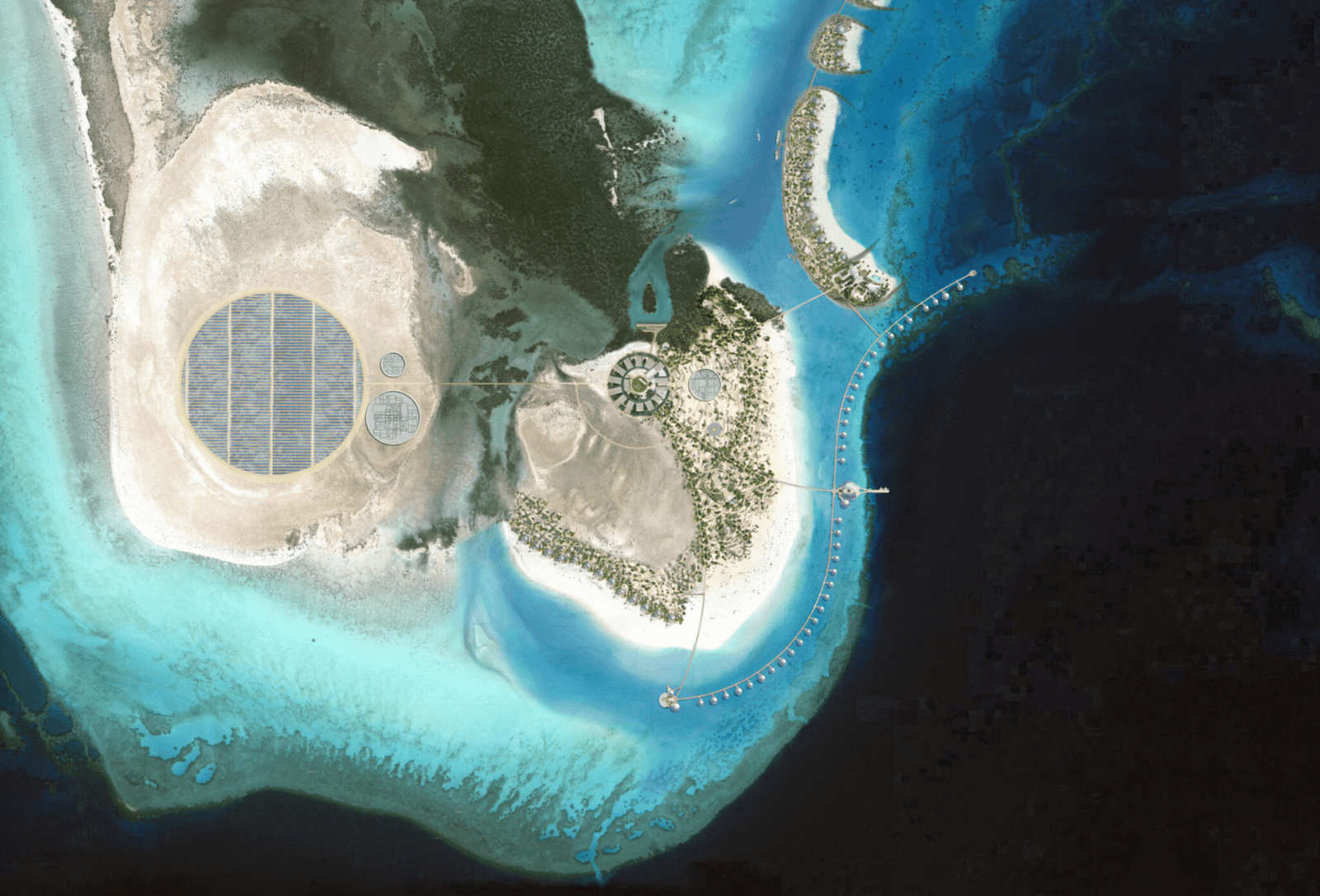
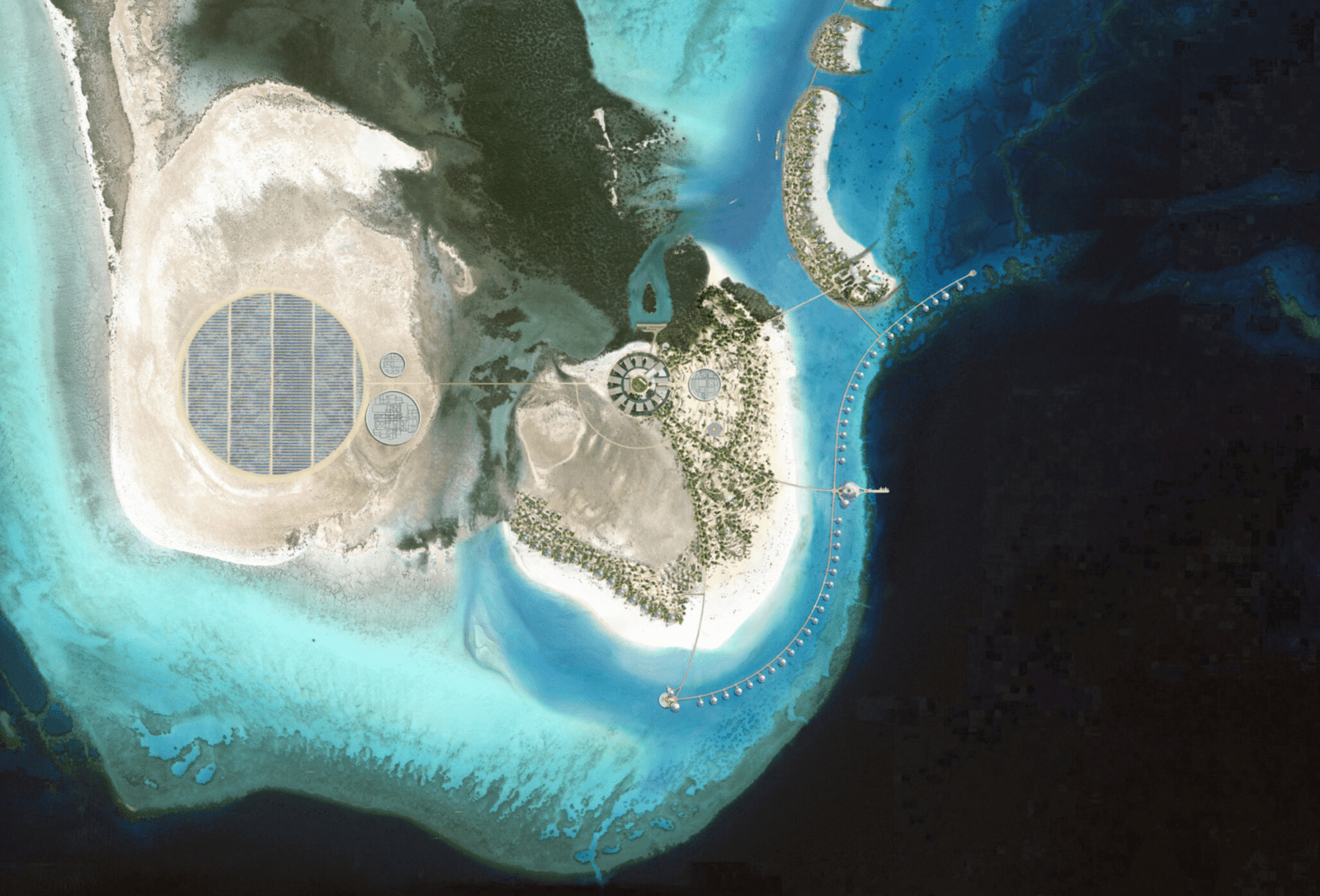
    Desalination and power plant powered by the sun

    Desalination and power plant powered by the sun in ultra-luxury Shebara, Saudi Arabia

    Saudi Arabia, a nation better known for its oil wealth, is rapidly reinventing itself as a marine sustainability player. Positioned between the ecologically sensitive Red Sea and the economically strategic Arabian Gulf, the Kingdom now has its sights set on becoming a global hub for blue economy innovation.

    As part of this shift, Jeddah will host the Ocean Action Forum on October 27–28, 2025, at the Jeddah Hilton, gathering policymakers, scientists, investors, infrastructure developers, marine engineers, and climate strategists. The event promises not just high-level discussion but a new governance model for ocean-positive development in the Gulf.

    According to the official agenda, the forum is designed to “shed light on key industry trends and issues, foster strategic partnerships, and explore cutting-edge solutions to safeguard marine ecosystems.”

    Under Vision 2030, Saudi Arabia has made an unusual promise for a hydrocarbon nation: to restore coastal ecosystems, expand marine protected areas, scale mangrove forests, and build new “nature-compatible” infrastructure across its rapidly developing coastal cities.

    Aquellum is a new Araqa area giga project by Neom on the Red Sea

    Aquellum, a 15-minute city being developed on the Saudi coast

    In early 2025, the Kingdom took a symbolic global step by assuming the Secretariat of the International Coral Reef Initiative (ICRI), giving it a front-row seat in shaping global coral protection policy. This forum is the first major marine policy gathering since that appointment, making it a signal moment in the Kingdom’s environmental diplomacy.

    Related: We’ve reach coral reef tipping point

    A Closer Look at Day One

    The event opens with remarks by Dr. Vienna Eleuteri of the Saudi Red Sea Authority, who will set the tone with a call for “long-term marine stewardship backed by measurable outcomes and inclusive governance.”

    From there, discussions quickly move from policy to hard innovation:

    • Marine Spatial Planning as Climate Defense
      How do you balance tourism, fishing, shipping lanes, and offshore development without collapsing delicate marine ecosystems? Experts from KAUST, Fujairah Research Centre, and Buro Happold will debate new zoning and monitoring tools.

    • Turning Ports into Reefs
      In one of the most anticipated talks, Ocean Ecostructures CEO Ignasi Ferrer will present how AI, robotics, and bio-designed structures can convert concrete seawalls and breakwaters into living habitats, transforming industrial coastlines into biodiversity zones.

    • Aquaculture Reimagined
      With global pressure on wild fisheries, KAUST’s Aquaculture Development Program will outline how precision aquaculture and filtration technologies could make farmed fish part of a regenerative, not extractive, ocean economy.

    Mangroves, Microplastics and Machine Learning

    Saudi Arabian mangrove forests

    Saudi Arabian mangrove forests can help mitigate climate change

    Late-afternoon sessions focus on restoration at scale, including Saudi-led platforms like Netzero’s Mangrove Action initiative, which uses satellite monitoring and digital tracking tools to verify coastal restoration outcomes—a shift toward data accountability for nature projects.

    There will also be a tech spotlight on microplastic-free aquaculture, with filtration innovators from TraCon GmbH showcasing Aqua BIO Kat, a new German-engineered system designed to reduce contamination and protect human health through clean water cycles.

    From Coastal Luxury to Coastal Responsibility

    Saudi Arabia’s massive Red Sea tourism projects—including NEOM, the Red Sea Global regenerative tourism initiative, and luxury island developments—have drawn both investment interest and ecological scrutiny. The Ocean Action Forum appears to be the Kingdom’s answer: framing development and marine restoration not as opposing forces, but as parts of a “regenerative coastal economy.”

    The success of the event will depend on what happens after the panel lights turn off—whether restoration targets, monitoring systems, and local community roles become embedded in policy, not just PowerPoint slides.

    But one thing is clear: Saudi Arabia is no longer observing the marine sustainability movement from the sidelines. It is positioning itself to lead it. The Ocean Action Forum 2025 at the Jeddah Hilton may well be the moment the region begins to define its own blueprint for marine resilience—not borrowed from Europe or island nations, but rooted in the realities of the Red Sea and Arabian Gulf.

    The post Ocean Action Forum 2025: Can Saudi Arabia Redefine the Future of Marine Stewardship? appeared first on Green Prophet.

  • Ocean Action Forum 2025: Can Saudi Arabia Redefine the Future of Marine Stewardship?

    Ocean Action Forum 2025: Can Saudi Arabia Redefine the Future of Marine Stewardship?

    Desalination and power plant powered by the sun in ultra-luxury Shebara, Saudi Arabia Saudi Arabia, a nation better known for its oil wealth, is rapidly reinventing itself as a marine sustainability player. Positioned between the ecologically sensitive Red Sea and the economically strategic Arabian Gulf, the Kingdom now has its sights set on becoming a […]

    The post Ocean Action Forum 2025: Can Saudi Arabia Redefine the Future of Marine Stewardship? appeared first on Green Prophet.

    Desalination and power plant powered by the sun

    Desalination and power plant powered by the sun in ultra-luxury Shebara, Saudi Arabia

    Saudi Arabia, a nation better known for its oil wealth, is rapidly reinventing itself as a marine sustainability player. Positioned between the ecologically sensitive Red Sea and the economically strategic Arabian Gulf, the Kingdom now has its sights set on becoming a global hub for blue economy innovation.

    As part of this shift, Jeddah will host the Ocean Action Forum on October 27–28, 2025, at the Jeddah Hilton, gathering policymakers, scientists, investors, infrastructure developers, marine engineers, and climate strategists. The event promises not just high-level discussion but a new governance model for ocean-positive development in the Gulf.

    According to the official agenda, the forum is designed to “shed light on key industry trends and issues, foster strategic partnerships, and explore cutting-edge solutions to safeguard marine ecosystems.”

    Under Vision 2030, Saudi Arabia has made an unusual promise for a hydrocarbon nation: to restore coastal ecosystems, expand marine protected areas, scale mangrove forests, and build new “nature-compatible” infrastructure across its rapidly developing coastal cities.

    Aquellum is a new Araqa area giga project by Neom on the Red Sea

    Aquellum, a 15-minute city being developed on the Saudi coast

    In early 2025, the Kingdom took a symbolic global step by assuming the Secretariat of the International Coral Reef Initiative (ICRI), giving it a front-row seat in shaping global coral protection policy. This forum is the first major marine policy gathering since that appointment, making it a signal moment in the Kingdom’s environmental diplomacy.

    Related: We’ve reach coral reef tipping point

    A Closer Look at Day One

    The event opens with remarks by Dr. Vienna Eleuteri of the Saudi Red Sea Authority, who will set the tone with a call for “long-term marine stewardship backed by measurable outcomes and inclusive governance.”

    From there, discussions quickly move from policy to hard innovation:

    • Marine Spatial Planning as Climate Defense
      How do you balance tourism, fishing, shipping lanes, and offshore development without collapsing delicate marine ecosystems? Experts from KAUST, Fujairah Research Centre, and Buro Happold will debate new zoning and monitoring tools.

    • Turning Ports into Reefs
      In one of the most anticipated talks, Ocean Ecostructures CEO Ignasi Ferrer will present how AI, robotics, and bio-designed structures can convert concrete seawalls and breakwaters into living habitats, transforming industrial coastlines into biodiversity zones.

    • Aquaculture Reimagined
      With global pressure on wild fisheries, KAUST’s Aquaculture Development Program will outline how precision aquaculture and filtration technologies could make farmed fish part of a regenerative, not extractive, ocean economy.

    Mangroves, Microplastics and Machine Learning

    Saudi Arabian mangrove forests

    Saudi Arabian mangrove forests can help mitigate climate change

    Late-afternoon sessions focus on restoration at scale, including Saudi-led platforms like Netzero’s Mangrove Action initiative, which uses satellite monitoring and digital tracking tools to verify coastal restoration outcomes—a shift toward data accountability for nature projects.

    There will also be a tech spotlight on microplastic-free aquaculture, with filtration innovators from TraCon GmbH showcasing Aqua BIO Kat, a new German-engineered system designed to reduce contamination and protect human health through clean water cycles.

    From Coastal Luxury to Coastal Responsibility

    Saudi Arabia’s massive Red Sea tourism projects—including NEOM, the Red Sea Global regenerative tourism initiative, and luxury island developments—have drawn both investment interest and ecological scrutiny. The Ocean Action Forum appears to be the Kingdom’s answer: framing development and marine restoration not as opposing forces, but as parts of a “regenerative coastal economy.”

    The success of the event will depend on what happens after the panel lights turn off—whether restoration targets, monitoring systems, and local community roles become embedded in policy, not just PowerPoint slides.

    But one thing is clear: Saudi Arabia is no longer observing the marine sustainability movement from the sidelines. It is positioning itself to lead it. The Ocean Action Forum 2025 at the Jeddah Hilton may well be the moment the region begins to define its own blueprint for marine resilience—not borrowed from Europe or island nations, but rooted in the realities of the Red Sea and Arabian Gulf.

    The post Ocean Action Forum 2025: Can Saudi Arabia Redefine the Future of Marine Stewardship? appeared first on Green Prophet.

  • How to Be Well in Unwell Times

    How to Be Well in Unwell Times

    If you wake up anxious these days, you’re not alone. Between the news cycle, global uncertainty, and the chaos of daily life, it can feel like the world is spinning faster than we can catch our breath.

    I’ve been feeling more anxious than usual myself lately—partly because of everything happening in my own life, and partly because so much in the world feels beyond our control. And yet, even in times like these, it’s still possible to find a sense of calm—to create a small pocket of peace within yourself that isn’t so easily shaken by what’s happening outside.

    That’s

    If you wake up anxious these days, you’re not alone. Between the news cycle, global uncertainty, and the chaos of daily life, it can feel like the world is spinning faster than we can catch our breath.

    I’ve been feeling more anxious than usual myself lately—partly because of everything happening in my own life, and partly because so much in the world feels beyond our control. And yet, even in times like these, it’s still possible to find a sense of calm—to create a small pocket of peace within yourself that isn’t so easily shaken by what’s happening outside.

    That’s what psychotherapist, author, and mindfulness teacher Nancy Colier will help you explore in her upcoming online workshop, “How to Be Well in Unwell Times,” hosted by Omega Institute.

    When I lived in New York, I always wanted to attend a program at Omega. It felt like a sanctuary from the noise—a place for people trying to live with more presence and less stress. I moved before I had the chance to go, but I’ve admired them ever since, and I feel so grateful to be partnering with them now to share events like this.

    Omega has a long history of offering programs that don’t just inspire in the moment—they provide real tools you can use to grow and find balance in everyday life. Their workshops bring together wisdom, mindfulness, and compassion in a way that helps people feel calmer, clearer, and more connected to themselves.

    In this 75-minute live online session, Nancy will guide participants through a mix of meditations, group reflection, and Q&A, all designed to help you:

    • Reduce stress and care for yourself when the world feels chaotic

    • Work with your thoughts instead of getting lost in them

    • Let go of catastrophizing and come back to the present moment

    • Use your body to stay grounded and steady

    • Cultivate gratitude, even in dark or uncertain times

    We can’t control everything happening around us, but we can learn to meet each moment with presence, compassion, and resilience.

    If you’ve been longing for a pause, a reset, or simply a reminder that peace is still possible, this workshop offers a beautiful opportunity to reconnect with yourself and rediscover your inner steadiness.

    How to Be Well in Unwell Times
    Date: October 29, 2025, 6:00–7:15 PM ET 
    Tuition: Sliding scale $30–$50 (Member price: $35)
    Replay: Available through December 28

    Learn more and register here.

    About Lori Deschene

    Lori Deschene is the founder of Tiny Buddha. She started the site after struggling with depression, bulimia, c-PTSD, and toxic shame so she could recycle her former pain into something useful and inspire others to do the same. You can find her books, including Tiny Buddha’s Gratitude Journal and Tiny Buddha’s Worry Journal, here and learn more about her eCourse, Recreate Your Life Story, if you’re ready to transform your life and become the person you want to be.

    Get in the conversation! Click here to leave a comment on the site.