Blog

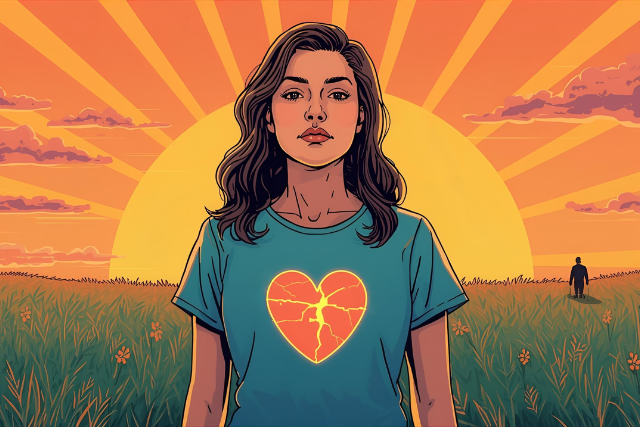
  • Why Narcissistic Abuse Doesn’t Define You and How I Found the Love I Deserve

    Why Narcissistic Abuse Doesn’t Define You and How I Found the Love I Deserve

    “When it hurts to move on, just remember the pain you felt hanging on.” ~Unknown

    There was a time when I thought my heart would never heal.

    I’d been lied to, betrayed, and broken by a man I thought I loved. A man who turned out to be nothing more than a beautifully packaged nightmare.

    If you’ve ever been hurt by a narcissist, you know that the pain cuts deeper than most people can imagine. You know the way it seeps into your bones, the way it makes you question your worth and replay every moment, wondering if you could …

    “When it hurts to move on, just remember the pain you felt hanging on.” ~Unknown

    There was a time when I thought my heart would never heal.

    I’d been lied to, betrayed, and broken by a man I thought I loved. A man who turned out to be nothing more than a beautifully packaged nightmare.

    If you’ve ever been hurt by a narcissist, you know that the pain cuts deeper than most people can imagine. You know the way it seeps into your bones, the way it makes you question your worth and replay every moment, wondering if you could have stopped it.

    I’ll never forget that night in Paris when I learned what love is not.

    The Champs-Élysées was alive with golden lights strung high in the air. Shoppers moved slowly, bags swinging in their hands, laughter spilling out of nearby cafés. The smell of roasted chestnuts drifted through the crisp night. And in the middle of that beauty, my world shattered with one heavy punch to the stomach I did not deserve.

    It happened on the balcony of a famous Paris hotel. I had overheard a phone call. His voice casual, almost bored. “I’ll be home in a few days.”

    Home.

    To. His. Wife.

    My blood ran cold.

    The words clung to my skin like ice. Betrayal swelled in my chest, my breath sharp and ragged. I demanded answers. My voice cracked, trembling between anger and disbelief.

    The first slap was so fast I barely registered it. Then another. Then the kick. A sharp, merciless blow to my stomach that folded me in two and dropped me to the floor.

    My lungs emptied. I gasped, but no air came.

    I needed to scream. I wanted to claw, to fight, to make him hurt. But some part of me knew that to stay alive, I had to stay still. My body shook in silence, hot tears sliding down my cheeks, my ears ringing as his voice faded into a blur of meaningless words.

    The carpet felt rough beneath my palms as I steadied myself. My ribs ached with each shallow breath.

    When his rage finally burned out, I slipped away and stepped onto the balcony. The night air stung my face. Through the blur of tears, I saw the Eiffel Tower shimmering in the distance, each light flashing like a cruel reminder of where I was—the city I had dreamed of visiting. In love.

    I gripped the railing, fighting the urge to collapse again. I wanted to disappear. I wanted to wash every trace of his hands from my skin. I wanted to go home, crawl into my bed, and erase Paris from my memory.

    It took months to unravel what had happened that night. Months to understand why I had let a narcissist treat me like that. I wasn’t naive. I wasn’t unloved. I came from a loving family. I cared for people.

    So why did I believe I deserved this?

    Somewhere deep inside, I had confused love with proving my worth. I believed that if I could just give enough, forgive enough, understand enough, I could earn love that stayed.

    That belief had been quietly living in me for years—from the little girl who learned to keep the peace by being “good” to the woman who equated over-giving with strength. I didn’t think I deserved cruelty, but I didn’t yet believe I was worthy of love that came without pain.

    Looking back, all the signs were there. Endless red flags I chose not to see. The charm that drew me in, the constant need for attention, the way he twisted the truth until I doubted my own sanity. The anger when I questioned him, followed by the empty promises meant to keep me hooked.

    The bruises faded in weeks. But the ache inside stayed.

    For a long time, I hated Paris. I had been there with the wrong person. I had imagined us wandering hand in hand along the Seine, kissing on Pont Alexandre III as the city lit up around us. I had pictured mornings in Montmartre with coffee and croissants, sunlight spilling through tiny café windows.

    Instead, I got a nightmare.

    Deep down, I always knew real love was effortless. Not that it didn’t require work, but that it didn’t demand your dignity and your soul.

    After months of healing, I wrote down exactly what I wanted in a partner, and I refused to settle for less.

    Then, when I least expected it, he showed up. One email led to another, and soon we were talking across time zones, our words building a bridge neither of us had seen coming.

    He wanted to meet right away. I stalled. Part of me still needed the safety of distance.

    When we finally met in New York City, the moment felt like something written long before we were born. I had landed early that morning, wandering the city in the winter chill. When I called from a payphone near Bryant Park to confirm, I turned, and there he was, smiling at me like I was the only person in the crowd.

    In the past, I would have rushed in and molded myself to fit his rhythm. But this time, I moved slowly. I asked questions I used to avoid, and I said what I needed without apology.

    My healing had raised my standards, not for others but for how I treated myself in love. I was no longer searching for someone to fill a void, and because of that I could actually see him—not through the lens of fantasy or idealization but through truth.

    His steadiness and confidence didn’t scare me. They grounded me. He met me where I was. I could simply receive his presence without fear it would disappear. And that was brand new to me—being loved without having to abandon myself to keep it.

    Years later, we’re still together. We’ve faced storms, held the line when things got hard, and fiercely protected the magic we built. And we visited Paris together. This time, it was the city I had always wanted—champagne kisses, walks by the river, and a skyline wrapped in light.

    For the first time, there’s safety. There’s no fear in being honest, no punishment for being human. We listen, we repair, and we hold each other accountable without shame. When one of us feels hurt, we talk instead of withdrawing. When one of us makes a mistake, we forgive and learn instead of blaming.

    Love doesn’t take from us. It expands us. It’s steady, mutual, and kind. I can ask for what I need without guilt. I can express my fears without shrinking. We celebrate each other’s successes and hold each other through failure.

    For me, this love feels like finally being able to breathe, like exhaling after years of holding my breath, and knowing I can rest in someone else’s presence without losing myself.

    If you’ve been hurt by a narcissist, I see you. I know the nights you lie awake replaying everything. I know how heavy your chest feels, how loud the silence is.

    You may need to close the chapter that destroyed you, then open a new one and write the story you’ve been longing to live.

    Forgive yourself. Forgive them. Not for their sake, but because you deserve the peace it will give you.

    One day, you’ll wake up and realize the darkness is gone. The fear, the self-doubt, the endless ache are no longer yours to carry. And in that moment, you’ll know the truth: you will never again return to what broke you.

    It took months for my nervous system to finally feel safe around men again. For a long time, my body reacted before my mind could catch up, flinching at raised voices, shrinking from affection, bracing for betrayal even when love was right in front of me.

    This is how I slowly found my way out of the grip of narcissistic abuse:

    Belief work.

    I had to meet the invisible story I’d been carrying for years—that love had to be earned. Rewriting it didn’t happen overnight, but each small reminder felt like a crack in the opening around my heart. I began telling myself, again and again, I am deeply worthy of love. I am enough, exactly as I am. When my mind drifted back to old patterns, I didn’t fight it. I simply offered a new story, one where I was already enough and worthy of calm, steady love.

    Listening to my body. 

    I began to notice how my chest tightened or my stomach knotted when something felt off. Instead of ignoring those signals, I treated them as truth. My body knew what my mind wanted to deny.

    Somatic healing. 

    Breathwork, sound therapy, gentle movement, and trauma-informed bodywork helped me release stored fear and regulate my nervous system.

    I remember one session lying on my mat, my breath shallow, my chest heavy. As the sound bowls vibrated through the room, a trembling began to move through me. First it was rage, then a deep grief for all the ways I had abandoned myself, and finally a relief, like my body was releasing what it had carried for years.

    Something softened inside me. Something I couldn’t name. But what that moment taught me is that healing isn’t about forgetting. It’s about allowing what was once trapped to move through you, until it no longer owns you.

    Boundaries. 

    I practiced saying no. At first, it felt unnatural, even selfish. But every no became a small act of reclaiming myself.

    I started small. I stopped saying yes to coffee dates I didn’t have the energy for or to men who mistook my kindness for an open door. Then it extended into every corner of my life.

    I stopped overworking to prove my worth, stopped letting colleagues pile their tasks onto mine just because I was capable. I stopped replying to work messages late at night, stopped entertaining conversations that left me feeling small, but most of all, I stopped ignoring the quiet voice inside that whispered when something didn’t feel right. Each no created a little more space for truth, for me.

    Choosing safe people. 

    I surrounded myself with friends and mentors who treated me with kindness, who showed me what respect actually looks like. Their presence slowly re-taught my body that love doesn’t always come with pain.

    Clarity in love. 

    I wrote down exactly what I wanted in a partner, not just the surface traits, but how I wanted to feel with them: safe, cherished, seen. That clarity was my compass.

    When we began talking, I noticed I didn’t feel anxious waiting for his reply. I didn’t need to edit myself to earn his affection. There was no chaos, only ease. That peace told me I was finally aligned with what I had written. He embodied nearly every quality I had put on that list—emotional awareness, consistency, integrity, and most importantly, a tenderness that made my nervous system begin to trust again.

    Healing from narcissistic abuse isn’t linear. It’s a thousand tiny steps back to yourself. Some days you’ll stumble. Some days you’ll doubt. But little by little, the pieces come back together, and you realize you were never broken.

    When the right one arrives, you won’t question it. You won’t shrink yourself to fit. You won’t beg to be seen. You will simply know, in the steady, quiet place inside you that this is real, this is love.

    Rejection was never your ending. It was the redirection toward the life you were always meant to live.

    About Tiki

    Tiki is a heart-centered energy guide who helps women release stored emotions and inherited patterns held in their bodies and nervous systems. Through somatic work, sound healing, and intuitive energy practices, she supports women in dissolving old stories and reclaiming their authentic voice. If you’ve experienced heartbreak, betrayal, or a relationship that left you doubting your worth, download Reclaiming Your Heart After a Painful Relationshipa calming guide to help you nurture your heart back to safety and deep peace.

    Get in the conversation! Click here to leave a comment on the site.
  • Travel Morocco with teens at the Kasbah du Toubkal’s magical mountain retreat

    Travel Morocco with teens at the Kasbah du Toubkal’s magical mountain retreat

    Walking well-trodden mountain pathways, eating fresh local food, and learning about the transformative work embedded in the Kasbah’s approach to tourism has now been imparted to our children. We hope, in turn, these experiences will serve to inform their contributions in the world as they continue to grow. Don’t wait, Morocco is on everyone’s bucket list. Growth and change are inevitable. 

    The post Travel Morocco with teens at the Kasbah du Toubkal’s magical mountain retreat appeared first on Green Prophet.

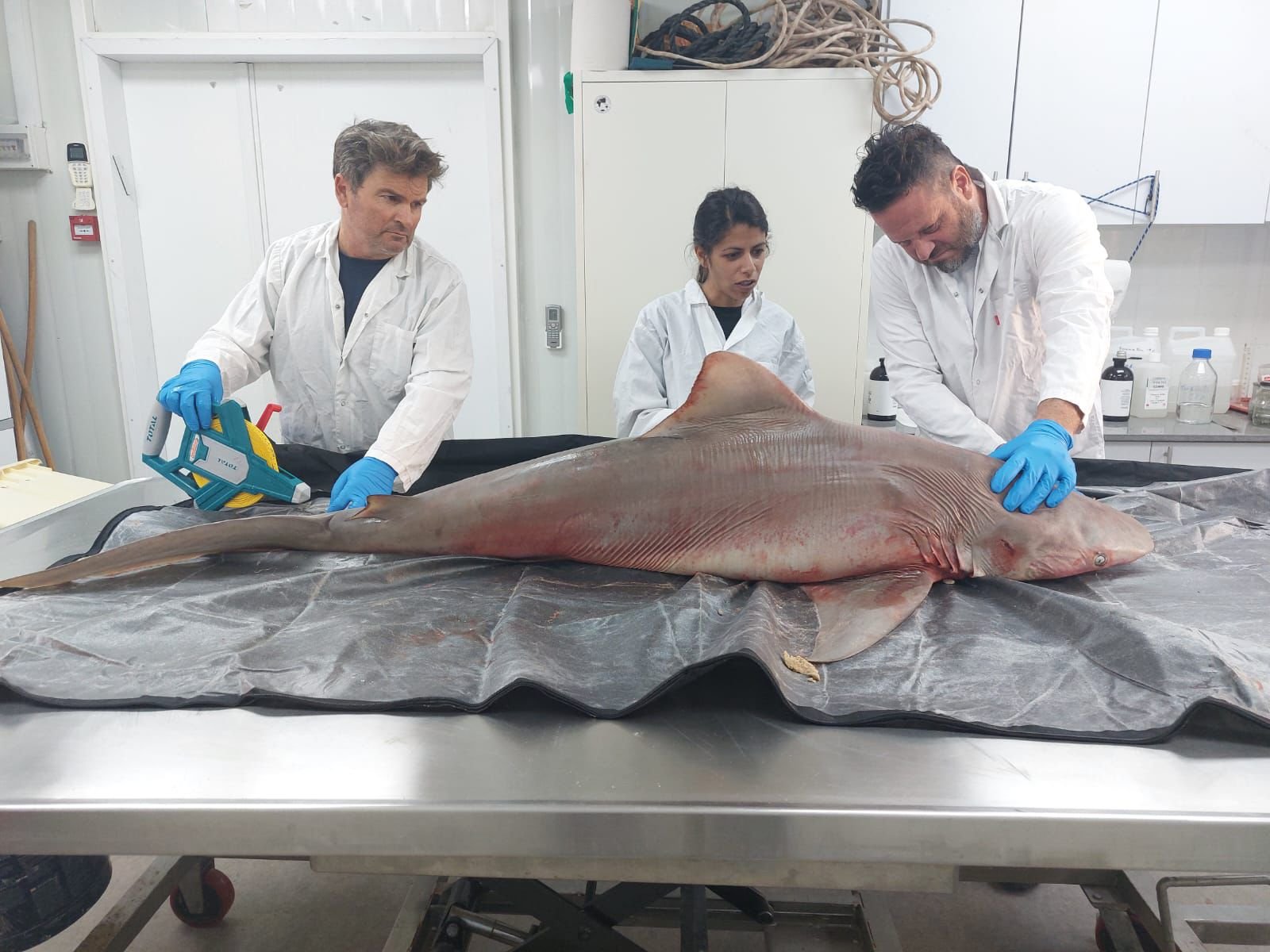
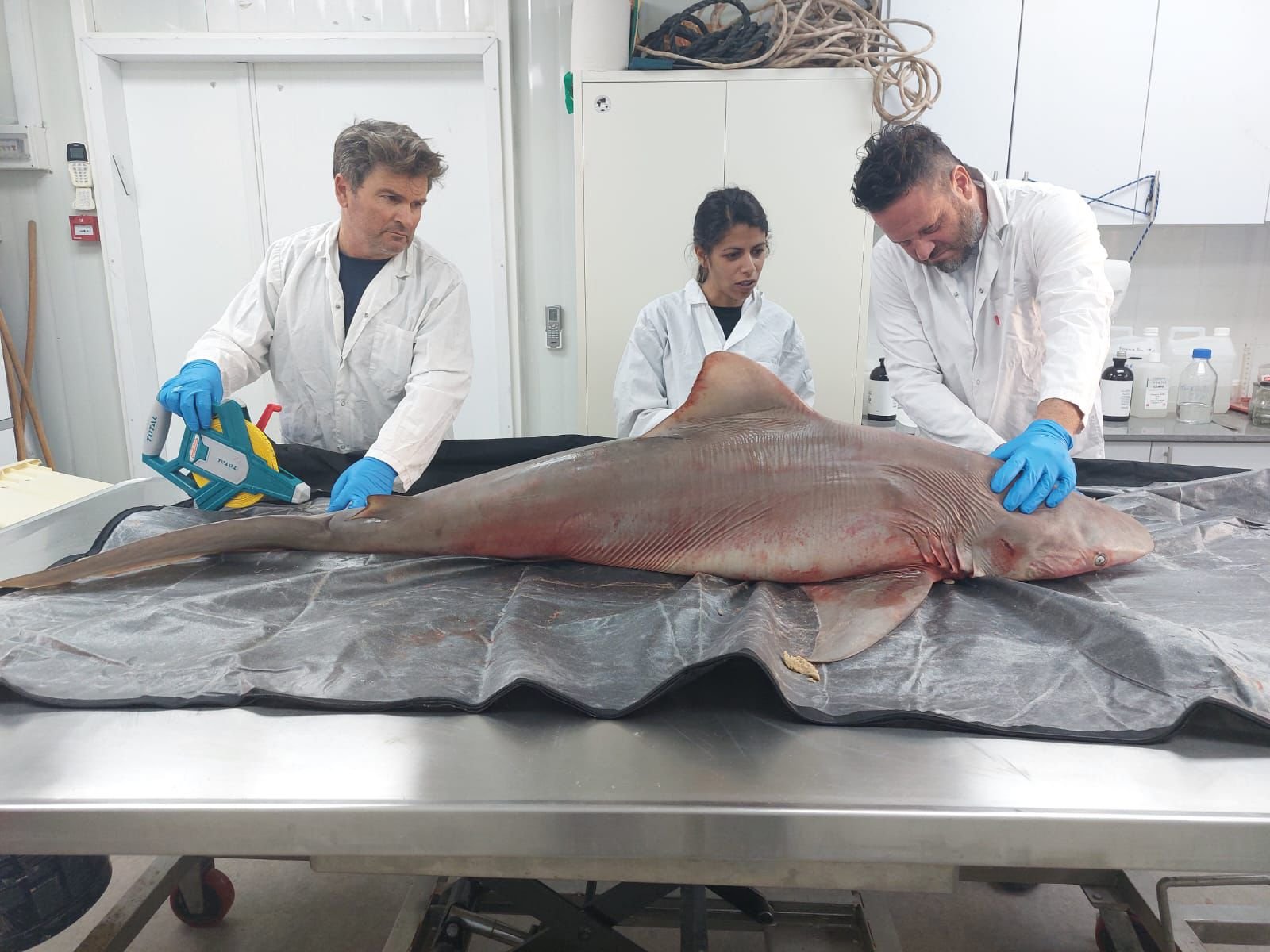
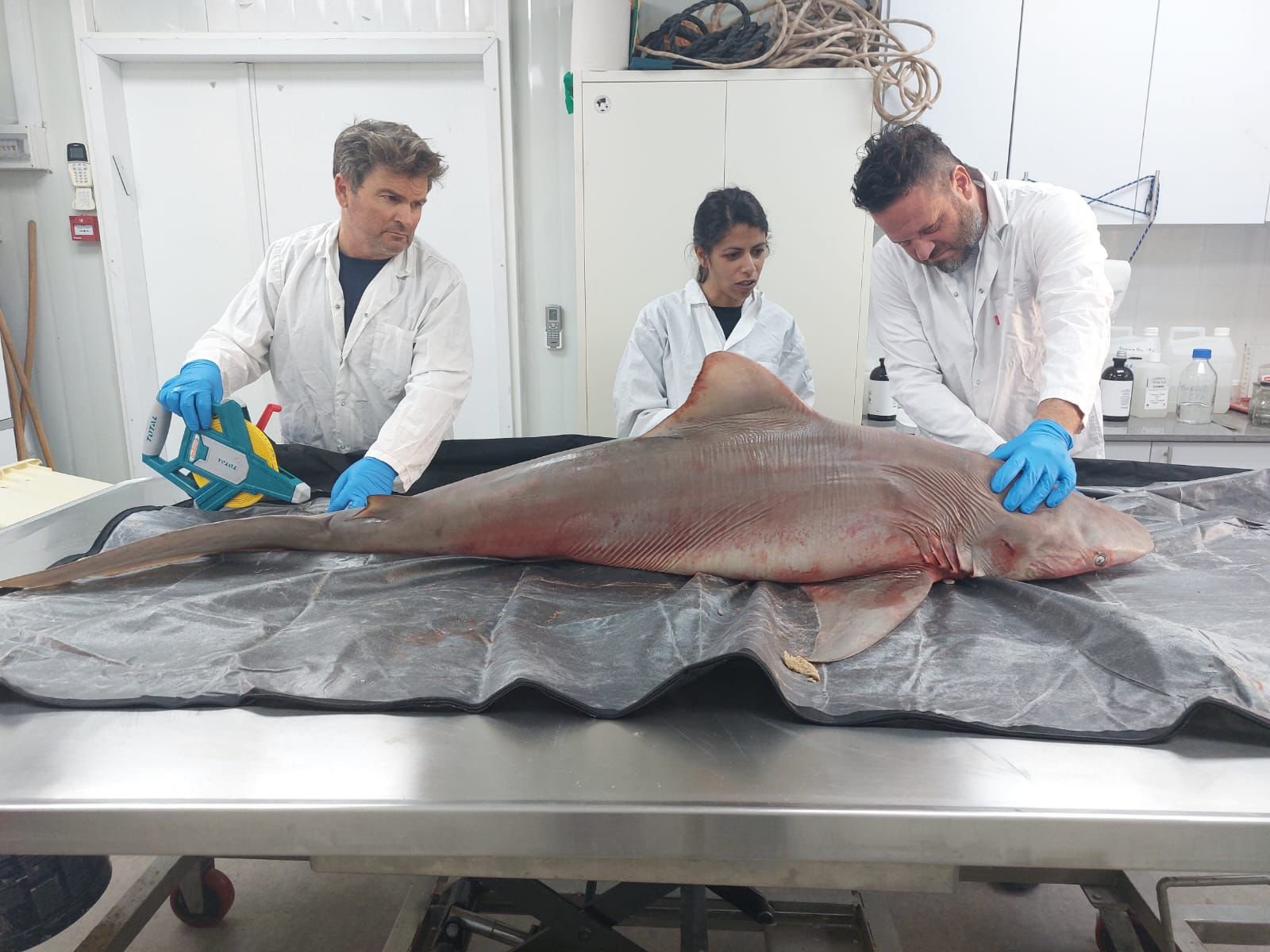
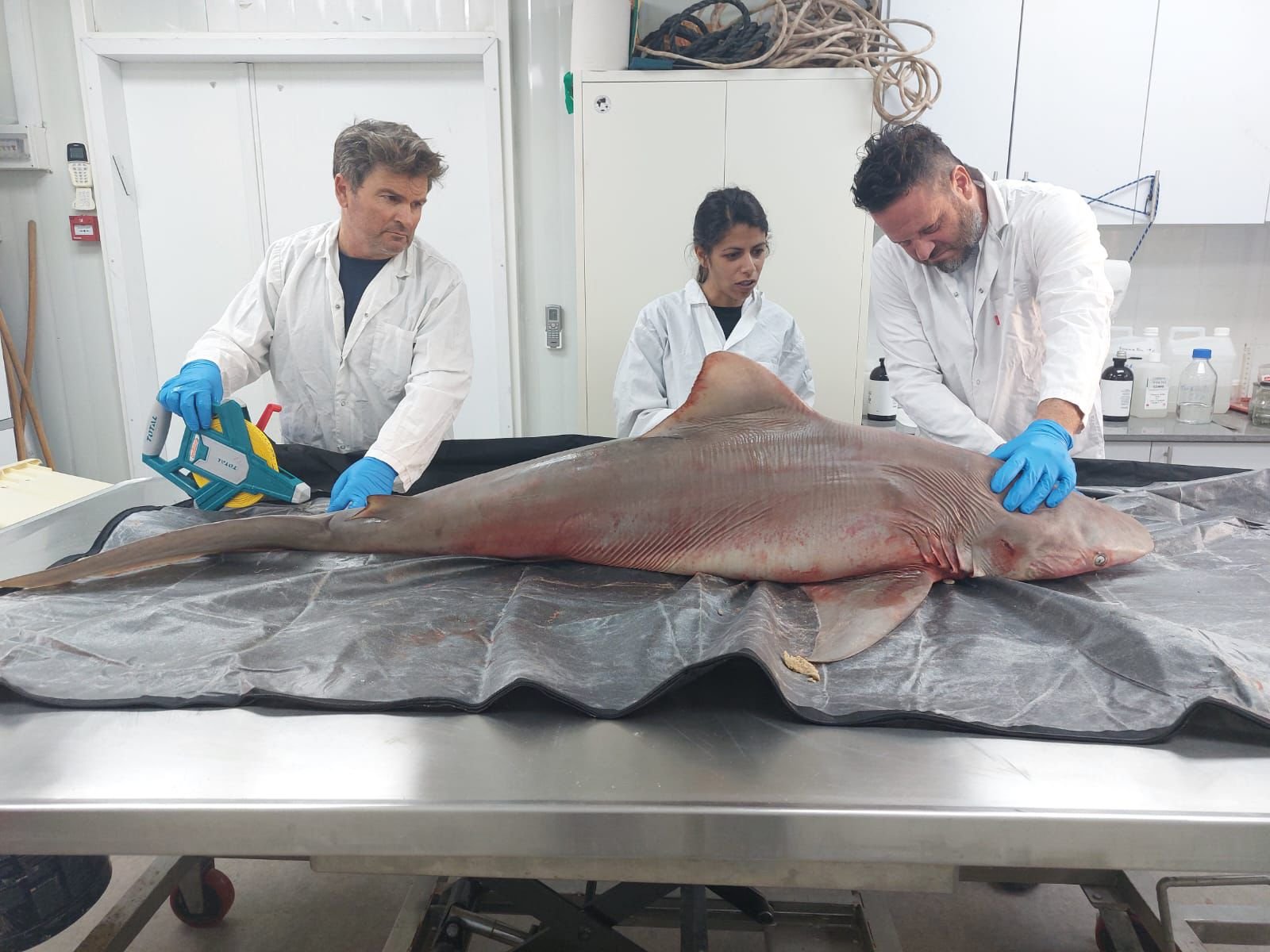
    Dead shark injured by fishing nets

    Dead shark injured by fishing nets


    A dead shark that washed ashore this week at Beit Yanai beach in Israel has renewed concerns about the health of Israel’s marine ecosystems — and the growing risks humans face as climate and coastal pressures intensify.

    Beachgoers reported the shark early in the morning, one of several unusual strandings seen along Israel’s coast this year. Marine biologists are investigating the cause of death, but early theories point to two escalating stressors: over-fishing, warming waters and desalination impacts.

    Dead shark injured by fishing nets Dead shark injured by fishing nets Dead shark injured by fishing nets

    Israel’s coastal waters are warming faster than the global average, drawing larger predators like sharks closer to shore in search of cooler currents and shifting prey. Earlier this year a man was fatally attacked by a shark while diving off the coast — a rare but stark reminder that marine behavior is changing.

    At the same time, scientists warn that intensive desalination, now underpinning Israel’s national water supply, is subtly reshaping coastal ecosystems. While water is being pumped to replenish a shrinking Sea of Galilee, desalinated water is energy intense.

    Brine discharge alters salinity and temperature gradients, influencing fish distribution and potentially disorienting species highly sensitive to environmental change, including sharks and sea turtles.

    This is part of a wider pattern of marine disruption in the region. A whale was recently found and dragged to Gaza, where desperate residents butchered and consumed it — a grim indicator of ecological collapse intersecting with humanitarian crisis. Meanwhile, Israel’s sea turtles, already struggling against plastic pollution and beach development, face these shifting conditions on multiple fronts. This man is protecting sea turtles in the Mediterranean Sea. Find out how. 

    The dead shark at Beit Yanai may be just one animal, but it reflects a system under stress. Israel’s Mediterranean coastline — once a relative refuge — is becoming hotter, more crowded, and more industrially burdened. Without serious regional cooperation on marine protection, more strandings, more unpredictability, and more human–wildlife conflict are likely on the horizon. And consider just up the sea, in Lebanon, people are fishing with dynamite. 

    The post Dead shark on beach injured by fishing nets appeared first on Green Prophet.

  • Musk’s Saudi Mega-Data Center Signals a Desert Arms Race for AI

    Musk’s Saudi Mega-Data Center Signals a Desert Arms Race for AI

    For now, Musk’s partnership signals a deepening alignment between Silicon Valley and Riyadh — and a new chapter in the Middle East’s data-powered future. The satellites and robots may come later. The energy footprint, however, is already here.

    The post Musk’s Saudi Mega-Data Center Signals a Desert Arms Race for AI appeared first on Green Prophet.

    Dead shark injured by fishing nets

    Dead shark injured by fishing nets


    A dead shark that washed ashore this week at Beit Yanai beach in Israel has renewed concerns about the health of Israel’s marine ecosystems — and the growing risks humans face as climate and coastal pressures intensify.

    Beachgoers reported the shark early in the morning, one of several unusual strandings seen along Israel’s coast this year. Marine biologists are investigating the cause of death, but early theories point to two escalating stressors: over-fishing, warming waters and desalination impacts.

    Dead shark injured by fishing nets Dead shark injured by fishing nets Dead shark injured by fishing nets

    Israel’s coastal waters are warming faster than the global average, drawing larger predators like sharks closer to shore in search of cooler currents and shifting prey. Earlier this year a man was fatally attacked by a shark while diving off the coast — a rare but stark reminder that marine behavior is changing.

    At the same time, scientists warn that intensive desalination, now underpinning Israel’s national water supply, is subtly reshaping coastal ecosystems. While water is being pumped to replenish a shrinking Sea of Galilee, desalinated water is energy intense.

    Brine discharge alters salinity and temperature gradients, influencing fish distribution and potentially disorienting species highly sensitive to environmental change, including sharks and sea turtles.

    This is part of a wider pattern of marine disruption in the region. A whale was recently found and dragged to Gaza, where desperate residents butchered and consumed it — a grim indicator of ecological collapse intersecting with humanitarian crisis. Meanwhile, Israel’s sea turtles, already struggling against plastic pollution and beach development, face these shifting conditions on multiple fronts. This man is protecting sea turtles in the Mediterranean Sea. Find out how. 

    The dead shark at Beit Yanai may be just one animal, but it reflects a system under stress. Israel’s Mediterranean coastline — once a relative refuge — is becoming hotter, more crowded, and more industrially burdened. Without serious regional cooperation on marine protection, more strandings, more unpredictability, and more human–wildlife conflict are likely on the horizon. And consider just up the sea, in Lebanon, people are fishing with dynamite. 

    The post Dead shark on beach injured by fishing nets appeared first on Green Prophet.

  • Microplastics Are Becoming Superbug Highways — New Study Warns Beachgoers to Wear Gloves

    Microplastics Are Becoming Superbug Highways — New Study Warns Beachgoers to Wear Gloves

    Prof. Pennie Lindeque added that microplastics “act as carriers for antimicrobial-resistant bacteria, enhancing their survival and spread… each particle becomes a tiny vehicle capable of transporting pathogens from sewage works to beaches, swimming areas and shellfish-growing sites.”

    The post Microplastics Are Becoming Superbug Highways — New Study Warns Beachgoers to Wear Gloves appeared first on Green Prophet.

    Dead shark injured by fishing nets

    Dead shark injured by fishing nets


    A dead shark that washed ashore this week at Beit Yanai beach in Israel has renewed concerns about the health of Israel’s marine ecosystems — and the growing risks humans face as climate and coastal pressures intensify.

    Beachgoers reported the shark early in the morning, one of several unusual strandings seen along Israel’s coast this year. Marine biologists are investigating the cause of death, but early theories point to two escalating stressors: over-fishing, warming waters and desalination impacts.

    Dead shark injured by fishing nets Dead shark injured by fishing nets Dead shark injured by fishing nets

    Israel’s coastal waters are warming faster than the global average, drawing larger predators like sharks closer to shore in search of cooler currents and shifting prey. Earlier this year a man was fatally attacked by a shark while diving off the coast — a rare but stark reminder that marine behavior is changing.

    At the same time, scientists warn that intensive desalination, now underpinning Israel’s national water supply, is subtly reshaping coastal ecosystems. While water is being pumped to replenish a shrinking Sea of Galilee, desalinated water is energy intense.

    Brine discharge alters salinity and temperature gradients, influencing fish distribution and potentially disorienting species highly sensitive to environmental change, including sharks and sea turtles.

    This is part of a wider pattern of marine disruption in the region. A whale was recently found and dragged to Gaza, where desperate residents butchered and consumed it — a grim indicator of ecological collapse intersecting with humanitarian crisis. Meanwhile, Israel’s sea turtles, already struggling against plastic pollution and beach development, face these shifting conditions on multiple fronts. This man is protecting sea turtles in the Mediterranean Sea. Find out how. 

    The dead shark at Beit Yanai may be just one animal, but it reflects a system under stress. Israel’s Mediterranean coastline — once a relative refuge — is becoming hotter, more crowded, and more industrially burdened. Without serious regional cooperation on marine protection, more strandings, more unpredictability, and more human–wildlife conflict are likely on the horizon. And consider just up the sea, in Lebanon, people are fishing with dynamite. 

    The post Dead shark on beach injured by fishing nets appeared first on Green Prophet.

  • Dead shark on beach injured by fishing nets

    Dead shark on beach injured by fishing nets

    Dead shark injured by fishing nets   A dead shark that washed ashore this week at Beit Yanai beach in Israel has renewed concerns about the health of Israel’s marine ecosystems — and the growing risks humans face as climate and coastal pressures intensify. Beachgoers reported the shark early in the morning, one of several […]

    The post Dead shark on beach injured by fishing nets appeared first on Green Prophet.

    Dead shark injured by fishing nets

    Dead shark injured by fishing nets


    A dead shark that washed ashore this week at Beit Yanai beach in Israel has renewed concerns about the health of Israel’s marine ecosystems — and the growing risks humans face as climate and coastal pressures intensify.

    Beachgoers reported the shark early in the morning, one of several unusual strandings seen along Israel’s coast this year. Marine biologists are investigating the cause of death, but early theories point to two escalating stressors: over-fishing, warming waters and desalination impacts.

    Dead shark injured by fishing nets Dead shark injured by fishing nets Dead shark injured by fishing nets

    Israel’s coastal waters are warming faster than the global average, drawing larger predators like sharks closer to shore in search of cooler currents and shifting prey. Earlier this year a man was fatally attacked by a shark while diving off the coast — a rare but stark reminder that marine behavior is changing.

    At the same time, scientists warn that intensive desalination, now underpinning Israel’s national water supply, is subtly reshaping coastal ecosystems. While water is being pumped to replenish a shrinking Sea of Galilee, desalinated water is energy intense.

    Brine discharge alters salinity and temperature gradients, influencing fish distribution and potentially disorienting species highly sensitive to environmental change, including sharks and sea turtles.

    This is part of a wider pattern of marine disruption in the region. A whale was recently found and dragged to Gaza, where desperate residents butchered and consumed it — a grim indicator of ecological collapse intersecting with humanitarian crisis. Meanwhile, Israel’s sea turtles, already struggling against plastic pollution and beach development, face these shifting conditions on multiple fronts. This man is protecting sea turtles in the Mediterranean Sea. Find out how. 

    The dead shark at Beit Yanai may be just one animal, but it reflects a system under stress. Israel’s Mediterranean coastline — once a relative refuge — is becoming hotter, more crowded, and more industrially burdened. Without serious regional cooperation on marine protection, more strandings, more unpredictability, and more human–wildlife conflict are likely on the horizon. And consider just up the sea, in Lebanon, people are fishing with dynamite. 

    The post Dead shark on beach injured by fishing nets appeared first on Green Prophet.

  • Knit Your Own Sustainable Beard

    Knit Your Own Sustainable Beard

    Keeping a beard is standard practice according to the “sunnah” in Islam.  That Arabic term generally refers to ways of the prophet Mohammad: he was fully bearded.  Muslim men are encouraged to grow beards when reaching adulthood as a symbol of manhood, purity and maturity.

    The post Knit Your Own Sustainable Beard appeared first on Green Prophet.

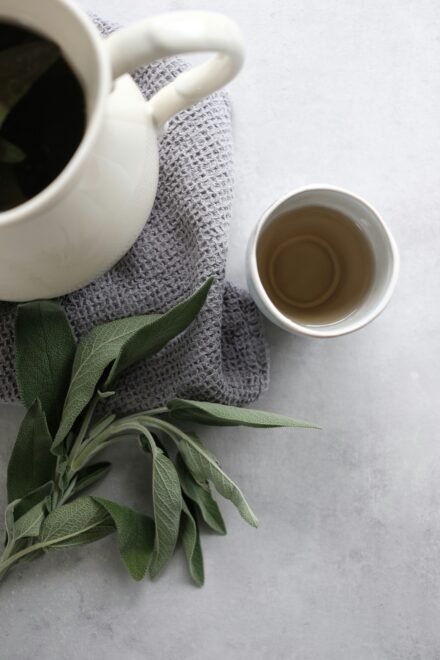
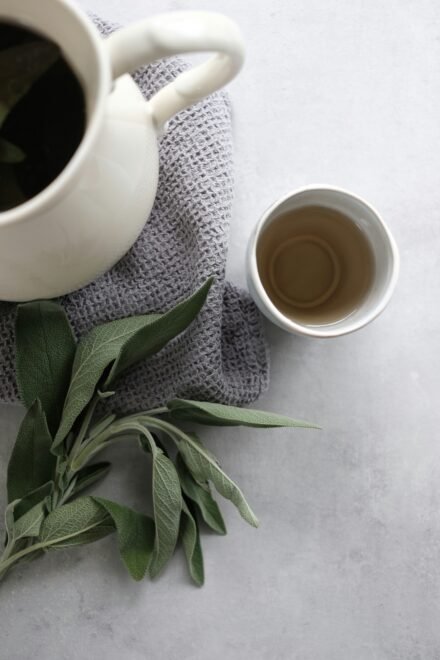
    sage tea for hot flashes

    Menopause isn’t a disease.

    That was the first thing I thought when I saw questions women asked Google about menopause. One asked “how to prevent the horrors of menopause.” Another asked “what are the worst symptoms of menopause.” As if menopause were a disease.

    Menopause is part of the human condition, like adolescence. We regard bodily changes and mood swings as normal in a teenage girl adjusting to womanhood. Books and articles discussing the female adolescent body and psyche abound. But an adult woman’s menopausal challenges often go unsupported, regarded as a lot of complaints that the busy doctor has heard a thousand times before, and quickly dismisses with a prescription for hormone or estrogen replacement therapy (HRT/ERT).

    With 1.3 million American women entering menopause every year, it’s clear that medical support has to advance. And it is, slowly, becoming the issue of the moment, as an article published by the Yale School of Medicine discusses.

    Still, modern medicine’s blanket remedy for the discomfort and stress of menopausal hot flashes is HRT or ERT. Here we offer alternative suggestions that can help a woman suffering  menopausal lightning strikes to go through her day and night more comfortably. Disclaimer: the following does not address deep health issues related to menopause and does not replace medical advice.

    Clothes. Wear layers you can quickly remove and put back on as needed. Many women feel freezing when the hot flash passes and leaves them sweaty. Avoid cotton and petroleum-based fabrics, which either soak sweat up and stay damp, or trap sweat on the body. Search for clothes made from breathable fabrics like hemp. Or scour thrift shops for vintage silk clothing.

    Modify your environment. Place an electric fan near or on your desk to turn on the second a hot flash starts. Keep the room temperature on the cool side. Keep an old-fashioned paper fan in your bag to relieve the heat when you’re in the bus, or the subway, or waiting in line somewhere.

    Eat and drink well to treat yourself best. Don’t stress yourself with dieting (unless your health requires it). Eat small, frequent meals to stay energetic without loading your digestion and bringing on hot flashes. There are foods to avoid, and foods that help.

    You might notice that a cup of coffee or a cocktail will drive hot flashes. A spicy curry might do the same. Do you get a hot flash after smoking? Decide if stopping  caffeine, booze, strong spices and nicotine is worth the deprivation if it reduces those hot flashes. Some women find that eating foods high in sugar or fats, and especially mass-produced salty snacks, make them flash for hours afterward. Pay attention to your body’s signals.

    You hardly need reminding that fresh, hopefully organic foods contribute to all-over health. Go for whole grains, fresh leafy greens and colorful root vegetables, and fresh fruit. Unless there are issues like lactose intolerance, eat yogurt for its important calcium content. Look for yogurts that have “bio” on the label. If you choose to eat meat and poultry, avoid  “enhanced” products that likely contain salt you’re not counting on.

    Sweating through hot flashes depletes minerals. This can make a woman dizzy, cause a big mood swing, or leave her shaky. Seek mineral-rich foods to support your liver and kidneys and reduce hot flashes. A menopausal woman does well consuming at least a cup daily, if not two, of cooked calcium- and iron-rich leafy greens such as broccoli, kale, chard and beet greens.

    Wild greens are especially rich in minerals. Cook fresh or dry nettles. Spend a pleasant half hour outdoors on a spring day to forage them, or buy dry nettles at the health food store.

    Other wild favorites are fresh chickweed in late winter or spring. It’s delicious as the main salad ingredient, or tucked into a sandwich instead of lettuce. Fresh chickweed is an especially soothing and cooling food for a menopausal woman. It’s easy to grow at home in a planter.

    Summertime purslane is a treat in salads too, and contains a high amount of essential fatty acids. It tends to spring up where it shouldn’t – in flower planters and lawns, for example,. But that makes it easy to find.

    Cooked dandelion roots and the tender young leaves nourish the liver and kidneys with a wealth of minerals.

    Don’t see yourself going out to forage greens? Culinary herbs offer minerals too. Use them generously in your cooking. Scatter a good handful of parsley or cilantro over the stew before serving. Whizz up home-made pesto with fresh basil. Chop lots of chives up to add to a colorful salad.

    Staying hydrated is key. Fill a thermos with cold water or iced herbal tea and keep it close by for a quick cooling drink. The simple infusion following offers refreshment for your overheated, perhaps stressed self.

    Soothing Herbal Infusion
    Per cup of boiling water:
    1 teaspoon crumbled dry raspberry leaves
    1 teaspoon dry chamomile flowers
    1 teaspoon crumbled oat straw

    Infuse the herbs in a closed jar for 1/2 hour or up to 2 hours (put a wooden spoon or chopstick in the jar before pouring the boiling water in, to prevent cracking). Strain. Sweeten if desired.

    Best is to make 4 cups at a time and have it around to drink freely all day.

    Sage Hot Flash Prevention Tea
    Culinary sage (Salvia officinalis) has a strong estrogen precursor. For women losing estrogen in the menopausal process, sage tea can help reduce hot flashes and night sweats, also supplying minerals lost through heavy sweating.

    Infuse 1 teaspoon dry, crumbled sage or 2 teaspoons chopped fresh sage in 1 cup of boiling water, covered. Leave it for 1/2 hour. It’s strong; you may want to sweeten it. Drink 1-2 tablespoons, no more, up to 8 times daily.

    Sometimes you can’t control the circumstances. Something triggers anger, grief, or stress. There you go, a hot flash. You may be in a situation where you’re not comfortable reaching for the cold thermos or fanning yourself. Here you just have to close your eyes for a second and make up your mind to see it through. Remind yourself that it’s temporary. Endorse yourself for keeping your cool in a hot moment.

    Taking responsibility for your menopausal discomfort requires more time and effort than taking a pill, true. Consider it  an act of self-worth. A thoughtful gift from yourself to your wonderful self.

    :: The Yale School of Medicine

    Photo of sage tea by Paulina S. on Unsplash


    The post Natural Relief For Menopausal Hot Flashes appeared first on Green Prophet.

  • Creative Gifts for Christmas

    Creative Gifts for Christmas

    How about a box of organic, regeneratively grown chocolate by Dr. Bronners? With the gift holidays officially open now is the time to reconsider gift giving, especially now with the current economic crisis! First, do you really need to spend so much on gifts? Be thoughtful, instead of spendful! It will make you feel so […]

    The post Creative Gifts for Christmas appeared first on Green Prophet.

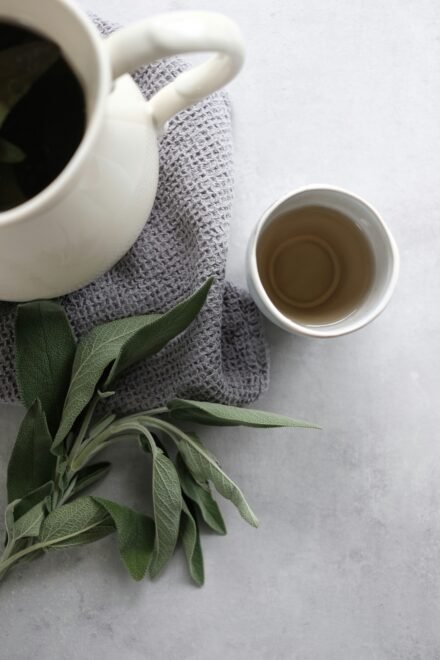
    sage tea for hot flashes

    Menopause isn’t a disease.

    That was the first thing I thought when I saw questions women asked Google about menopause. One asked “how to prevent the horrors of menopause.” Another asked “what are the worst symptoms of menopause.” As if menopause were a disease.

    Menopause is part of the human condition, like adolescence. We regard bodily changes and mood swings as normal in a teenage girl adjusting to womanhood. Books and articles discussing the female adolescent body and psyche abound. But an adult woman’s menopausal challenges often go unsupported, regarded as a lot of complaints that the busy doctor has heard a thousand times before, and quickly dismisses with a prescription for hormone or estrogen replacement therapy (HRT/ERT).

    With 1.3 million American women entering menopause every year, it’s clear that medical support has to advance. And it is, slowly, becoming the issue of the moment, as an article published by the Yale School of Medicine discusses.

    Still, modern medicine’s blanket remedy for the discomfort and stress of menopausal hot flashes is HRT or ERT. Here we offer alternative suggestions that can help a woman suffering  menopausal lightning strikes to go through her day and night more comfortably. Disclaimer: the following does not address deep health issues related to menopause and does not replace medical advice.

    Clothes. Wear layers you can quickly remove and put back on as needed. Many women feel freezing when the hot flash passes and leaves them sweaty. Avoid cotton and petroleum-based fabrics, which either soak sweat up and stay damp, or trap sweat on the body. Search for clothes made from breathable fabrics like hemp. Or scour thrift shops for vintage silk clothing.

    Modify your environment. Place an electric fan near or on your desk to turn on the second a hot flash starts. Keep the room temperature on the cool side. Keep an old-fashioned paper fan in your bag to relieve the heat when you’re in the bus, or the subway, or waiting in line somewhere.

    Eat and drink well to treat yourself best. Don’t stress yourself with dieting (unless your health requires it). Eat small, frequent meals to stay energetic without loading your digestion and bringing on hot flashes. There are foods to avoid, and foods that help.

    You might notice that a cup of coffee or a cocktail will drive hot flashes. A spicy curry might do the same. Do you get a hot flash after smoking? Decide if stopping  caffeine, booze, strong spices and nicotine is worth the deprivation if it reduces those hot flashes. Some women find that eating foods high in sugar or fats, and especially mass-produced salty snacks, make them flash for hours afterward. Pay attention to your body’s signals.

    You hardly need reminding that fresh, hopefully organic foods contribute to all-over health. Go for whole grains, fresh leafy greens and colorful root vegetables, and fresh fruit. Unless there are issues like lactose intolerance, eat yogurt for its important calcium content. Look for yogurts that have “bio” on the label. If you choose to eat meat and poultry, avoid  “enhanced” products that likely contain salt you’re not counting on.

    Sweating through hot flashes depletes minerals. This can make a woman dizzy, cause a big mood swing, or leave her shaky. Seek mineral-rich foods to support your liver and kidneys and reduce hot flashes. A menopausal woman does well consuming at least a cup daily, if not two, of cooked calcium- and iron-rich leafy greens such as broccoli, kale, chard and beet greens.

    Wild greens are especially rich in minerals. Cook fresh or dry nettles. Spend a pleasant half hour outdoors on a spring day to forage them, or buy dry nettles at the health food store.

    Other wild favorites are fresh chickweed in late winter or spring. It’s delicious as the main salad ingredient, or tucked into a sandwich instead of lettuce. Fresh chickweed is an especially soothing and cooling food for a menopausal woman. It’s easy to grow at home in a planter.

    Summertime purslane is a treat in salads too, and contains a high amount of essential fatty acids. It tends to spring up where it shouldn’t – in flower planters and lawns, for example,. But that makes it easy to find.

    Cooked dandelion roots and the tender young leaves nourish the liver and kidneys with a wealth of minerals.

    Don’t see yourself going out to forage greens? Culinary herbs offer minerals too. Use them generously in your cooking. Scatter a good handful of parsley or cilantro over the stew before serving. Whizz up home-made pesto with fresh basil. Chop lots of chives up to add to a colorful salad.

    Staying hydrated is key. Fill a thermos with cold water or iced herbal tea and keep it close by for a quick cooling drink. The simple infusion following offers refreshment for your overheated, perhaps stressed self.

    Soothing Herbal Infusion
    Per cup of boiling water:
    1 teaspoon crumbled dry raspberry leaves
    1 teaspoon dry chamomile flowers
    1 teaspoon crumbled oat straw

    Infuse the herbs in a closed jar for 1/2 hour or up to 2 hours (put a wooden spoon or chopstick in the jar before pouring the boiling water in, to prevent cracking). Strain. Sweeten if desired.

    Best is to make 4 cups at a time and have it around to drink freely all day.

    Sage Hot Flash Prevention Tea
    Culinary sage (Salvia officinalis) has a strong estrogen precursor. For women losing estrogen in the menopausal process, sage tea can help reduce hot flashes and night sweats, also supplying minerals lost through heavy sweating.

    Infuse 1 teaspoon dry, crumbled sage or 2 teaspoons chopped fresh sage in 1 cup of boiling water, covered. Leave it for 1/2 hour. It’s strong; you may want to sweeten it. Drink 1-2 tablespoons, no more, up to 8 times daily.

    Sometimes you can’t control the circumstances. Something triggers anger, grief, or stress. There you go, a hot flash. You may be in a situation where you’re not comfortable reaching for the cold thermos or fanning yourself. Here you just have to close your eyes for a second and make up your mind to see it through. Remind yourself that it’s temporary. Endorse yourself for keeping your cool in a hot moment.

    Taking responsibility for your menopausal discomfort requires more time and effort than taking a pill, true. Consider it  an act of self-worth. A thoughtful gift from yourself to your wonderful self.

    :: The Yale School of Medicine

    Photo of sage tea by Paulina S. on Unsplash


    The post Natural Relief For Menopausal Hot Flashes appeared first on Green Prophet.

  • Who gave the first kiss?

    Who gave the first kiss?

    When you experience your first kiss you might feel like you are the first in the world to feel that way. Kissing, scientists say, occurs in a variety of animals (even if today it’s not in every culture), and it presents an evolutionary puzzle: kissing, a learned behavior, carries high risks, such as disease transmission like herpes and hepititis, while offering no obvious reproductive or survival advantage.

    The post Who gave the first kiss? appeared first on Green Prophet.

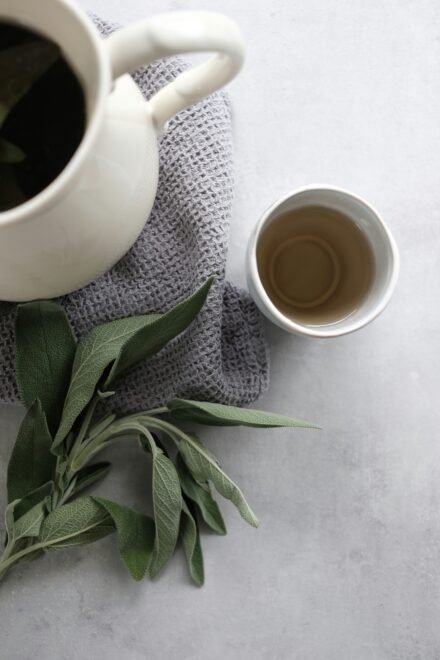
    sage tea for hot flashes

    Menopause isn’t a disease.

    That was the first thing I thought when I saw questions women asked Google about menopause. One asked “how to prevent the horrors of menopause.” Another asked “what are the worst symptoms of menopause.” As if menopause were a disease.

    Menopause is part of the human condition, like adolescence. We regard bodily changes and mood swings as normal in a teenage girl adjusting to womanhood. Books and articles discussing the female adolescent body and psyche abound. But an adult woman’s menopausal challenges often go unsupported, regarded as a lot of complaints that the busy doctor has heard a thousand times before, and quickly dismisses with a prescription for hormone or estrogen replacement therapy (HRT/ERT).

    With 1.3 million American women entering menopause every year, it’s clear that medical support has to advance. And it is, slowly, becoming the issue of the moment, as an article published by the Yale School of Medicine discusses.

    Still, modern medicine’s blanket remedy for the discomfort and stress of menopausal hot flashes is HRT or ERT. Here we offer alternative suggestions that can help a woman suffering  menopausal lightning strikes to go through her day and night more comfortably. Disclaimer: the following does not address deep health issues related to menopause and does not replace medical advice.

    Clothes. Wear layers you can quickly remove and put back on as needed. Many women feel freezing when the hot flash passes and leaves them sweaty. Avoid cotton and petroleum-based fabrics, which either soak sweat up and stay damp, or trap sweat on the body. Search for clothes made from breathable fabrics like hemp. Or scour thrift shops for vintage silk clothing.

    Modify your environment. Place an electric fan near or on your desk to turn on the second a hot flash starts. Keep the room temperature on the cool side. Keep an old-fashioned paper fan in your bag to relieve the heat when you’re in the bus, or the subway, or waiting in line somewhere.

    Eat and drink well to treat yourself best. Don’t stress yourself with dieting (unless your health requires it). Eat small, frequent meals to stay energetic without loading your digestion and bringing on hot flashes. There are foods to avoid, and foods that help.

    You might notice that a cup of coffee or a cocktail will drive hot flashes. A spicy curry might do the same. Do you get a hot flash after smoking? Decide if stopping  caffeine, booze, strong spices and nicotine is worth the deprivation if it reduces those hot flashes. Some women find that eating foods high in sugar or fats, and especially mass-produced salty snacks, make them flash for hours afterward. Pay attention to your body’s signals.

    You hardly need reminding that fresh, hopefully organic foods contribute to all-over health. Go for whole grains, fresh leafy greens and colorful root vegetables, and fresh fruit. Unless there are issues like lactose intolerance, eat yogurt for its important calcium content. Look for yogurts that have “bio” on the label. If you choose to eat meat and poultry, avoid  “enhanced” products that likely contain salt you’re not counting on.

    Sweating through hot flashes depletes minerals. This can make a woman dizzy, cause a big mood swing, or leave her shaky. Seek mineral-rich foods to support your liver and kidneys and reduce hot flashes. A menopausal woman does well consuming at least a cup daily, if not two, of cooked calcium- and iron-rich leafy greens such as broccoli, kale, chard and beet greens.

    Wild greens are especially rich in minerals. Cook fresh or dry nettles. Spend a pleasant half hour outdoors on a spring day to forage them, or buy dry nettles at the health food store.

    Other wild favorites are fresh chickweed in late winter or spring. It’s delicious as the main salad ingredient, or tucked into a sandwich instead of lettuce. Fresh chickweed is an especially soothing and cooling food for a menopausal woman. It’s easy to grow at home in a planter.

    Summertime purslane is a treat in salads too, and contains a high amount of essential fatty acids. It tends to spring up where it shouldn’t – in flower planters and lawns, for example,. But that makes it easy to find.

    Cooked dandelion roots and the tender young leaves nourish the liver and kidneys with a wealth of minerals.

    Don’t see yourself going out to forage greens? Culinary herbs offer minerals too. Use them generously in your cooking. Scatter a good handful of parsley or cilantro over the stew before serving. Whizz up home-made pesto with fresh basil. Chop lots of chives up to add to a colorful salad.

    Staying hydrated is key. Fill a thermos with cold water or iced herbal tea and keep it close by for a quick cooling drink. The simple infusion following offers refreshment for your overheated, perhaps stressed self.

    Soothing Herbal Infusion
    Per cup of boiling water:
    1 teaspoon crumbled dry raspberry leaves
    1 teaspoon dry chamomile flowers
    1 teaspoon crumbled oat straw

    Infuse the herbs in a closed jar for 1/2 hour or up to 2 hours (put a wooden spoon or chopstick in the jar before pouring the boiling water in, to prevent cracking). Strain. Sweeten if desired.

    Best is to make 4 cups at a time and have it around to drink freely all day.

    Sage Hot Flash Prevention Tea
    Culinary sage (Salvia officinalis) has a strong estrogen precursor. For women losing estrogen in the menopausal process, sage tea can help reduce hot flashes and night sweats, also supplying minerals lost through heavy sweating.

    Infuse 1 teaspoon dry, crumbled sage or 2 teaspoons chopped fresh sage in 1 cup of boiling water, covered. Leave it for 1/2 hour. It’s strong; you may want to sweeten it. Drink 1-2 tablespoons, no more, up to 8 times daily.

    Sometimes you can’t control the circumstances. Something triggers anger, grief, or stress. There you go, a hot flash. You may be in a situation where you’re not comfortable reaching for the cold thermos or fanning yourself. Here you just have to close your eyes for a second and make up your mind to see it through. Remind yourself that it’s temporary. Endorse yourself for keeping your cool in a hot moment.

    Taking responsibility for your menopausal discomfort requires more time and effort than taking a pill, true. Consider it  an act of self-worth. A thoughtful gift from yourself to your wonderful self.

    :: The Yale School of Medicine

    Photo of sage tea by Paulina S. on Unsplash


    The post Natural Relief For Menopausal Hot Flashes appeared first on Green Prophet.

  • If you live in these US states you are more likely to get epilepsy

    If you live in these US states you are more likely to get epilepsy

    People who live in these US states are more prone to seizures.

    The post If you live in these US states you are more likely to get epilepsy appeared first on Green Prophet.

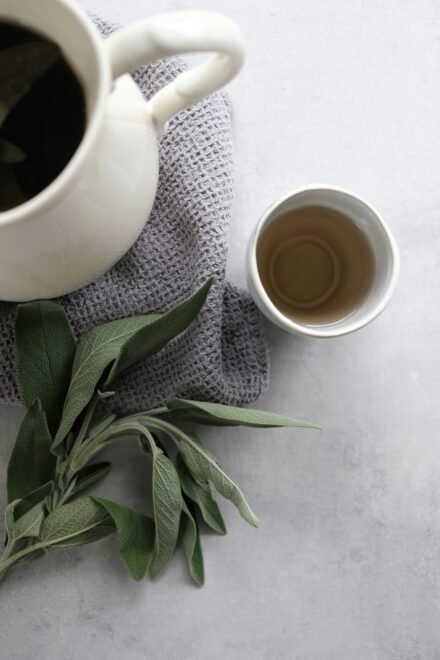
    sage tea for hot flashes

    Menopause isn’t a disease.

    That was the first thing I thought when I saw questions women asked Google about menopause. One asked “how to prevent the horrors of menopause.” Another asked “what are the worst symptoms of menopause.” As if menopause were a disease.

    Menopause is part of the human condition, like adolescence. We regard bodily changes and mood swings as normal in a teenage girl adjusting to womanhood. Books and articles discussing the female adolescent body and psyche abound. But an adult woman’s menopausal challenges often go unsupported, regarded as a lot of complaints that the busy doctor has heard a thousand times before, and quickly dismisses with a prescription for hormone or estrogen replacement therapy (HRT/ERT).

    With 1.3 million American women entering menopause every year, it’s clear that medical support has to advance. And it is, slowly, becoming the issue of the moment, as an article published by the Yale School of Medicine discusses.

    Still, modern medicine’s blanket remedy for the discomfort and stress of menopausal hot flashes is HRT or ERT. Here we offer alternative suggestions that can help a woman suffering  menopausal lightning strikes to go through her day and night more comfortably. Disclaimer: the following does not address deep health issues related to menopause and does not replace medical advice.

    Clothes. Wear layers you can quickly remove and put back on as needed. Many women feel freezing when the hot flash passes and leaves them sweaty. Avoid cotton and petroleum-based fabrics, which either soak sweat up and stay damp, or trap sweat on the body. Search for clothes made from breathable fabrics like hemp. Or scour thrift shops for vintage silk clothing.

    Modify your environment. Place an electric fan near or on your desk to turn on the second a hot flash starts. Keep the room temperature on the cool side. Keep an old-fashioned paper fan in your bag to relieve the heat when you’re in the bus, or the subway, or waiting in line somewhere.

    Eat and drink well to treat yourself best. Don’t stress yourself with dieting (unless your health requires it). Eat small, frequent meals to stay energetic without loading your digestion and bringing on hot flashes. There are foods to avoid, and foods that help.

    You might notice that a cup of coffee or a cocktail will drive hot flashes. A spicy curry might do the same. Do you get a hot flash after smoking? Decide if stopping  caffeine, booze, strong spices and nicotine is worth the deprivation if it reduces those hot flashes. Some women find that eating foods high in sugar or fats, and especially mass-produced salty snacks, make them flash for hours afterward. Pay attention to your body’s signals.

    You hardly need reminding that fresh, hopefully organic foods contribute to all-over health. Go for whole grains, fresh leafy greens and colorful root vegetables, and fresh fruit. Unless there are issues like lactose intolerance, eat yogurt for its important calcium content. Look for yogurts that have “bio” on the label. If you choose to eat meat and poultry, avoid  “enhanced” products that likely contain salt you’re not counting on.

    Sweating through hot flashes depletes minerals. This can make a woman dizzy, cause a big mood swing, or leave her shaky. Seek mineral-rich foods to support your liver and kidneys and reduce hot flashes. A menopausal woman does well consuming at least a cup daily, if not two, of cooked calcium- and iron-rich leafy greens such as broccoli, kale, chard and beet greens.

    Wild greens are especially rich in minerals. Cook fresh or dry nettles. Spend a pleasant half hour outdoors on a spring day to forage them, or buy dry nettles at the health food store.

    Other wild favorites are fresh chickweed in late winter or spring. It’s delicious as the main salad ingredient, or tucked into a sandwich instead of lettuce. Fresh chickweed is an especially soothing and cooling food for a menopausal woman. It’s easy to grow at home in a planter.

    Summertime purslane is a treat in salads too, and contains a high amount of essential fatty acids. It tends to spring up where it shouldn’t – in flower planters and lawns, for example,. But that makes it easy to find.

    Cooked dandelion roots and the tender young leaves nourish the liver and kidneys with a wealth of minerals.

    Don’t see yourself going out to forage greens? Culinary herbs offer minerals too. Use them generously in your cooking. Scatter a good handful of parsley or cilantro over the stew before serving. Whizz up home-made pesto with fresh basil. Chop lots of chives up to add to a colorful salad.

    Staying hydrated is key. Fill a thermos with cold water or iced herbal tea and keep it close by for a quick cooling drink. The simple infusion following offers refreshment for your overheated, perhaps stressed self.

    Soothing Herbal Infusion
    Per cup of boiling water:
    1 teaspoon crumbled dry raspberry leaves
    1 teaspoon dry chamomile flowers
    1 teaspoon crumbled oat straw

    Infuse the herbs in a closed jar for 1/2 hour or up to 2 hours (put a wooden spoon or chopstick in the jar before pouring the boiling water in, to prevent cracking). Strain. Sweeten if desired.

    Best is to make 4 cups at a time and have it around to drink freely all day.

    Sage Hot Flash Prevention Tea
    Culinary sage (Salvia officinalis) has a strong estrogen precursor. For women losing estrogen in the menopausal process, sage tea can help reduce hot flashes and night sweats, also supplying minerals lost through heavy sweating.

    Infuse 1 teaspoon dry, crumbled sage or 2 teaspoons chopped fresh sage in 1 cup of boiling water, covered. Leave it for 1/2 hour. It’s strong; you may want to sweeten it. Drink 1-2 tablespoons, no more, up to 8 times daily.

    Sometimes you can’t control the circumstances. Something triggers anger, grief, or stress. There you go, a hot flash. You may be in a situation where you’re not comfortable reaching for the cold thermos or fanning yourself. Here you just have to close your eyes for a second and make up your mind to see it through. Remind yourself that it’s temporary. Endorse yourself for keeping your cool in a hot moment.

    Taking responsibility for your menopausal discomfort requires more time and effort than taking a pill, true. Consider it  an act of self-worth. A thoughtful gift from yourself to your wonderful self.

    :: The Yale School of Medicine

    Photo of sage tea by Paulina S. on Unsplash


    The post Natural Relief For Menopausal Hot Flashes appeared first on Green Prophet.

  • Iran’s rarest forest is on fire

    Iran’s rarest forest is on fire

    It’s full of rare and endemic species, and it’s a UNESCO heritage site. Iran’s natural treasure, a 1000-kilometer forest, the Hyrcanian forest has been on fire for several days. It stretches from the Caspian Sea and into neighboring Azerbaijan and is home to more than 3,200 kinds of plants. 

    The post Iran’s rarest forest is on fire appeared first on Green Prophet.

    sage tea for hot flashes

    Menopause isn’t a disease.

    That was the first thing I thought when I saw questions women asked Google about menopause. One asked “how to prevent the horrors of menopause.” Another asked “what are the worst symptoms of menopause.” As if menopause were a disease.

    Menopause is part of the human condition, like adolescence. We regard bodily changes and mood swings as normal in a teenage girl adjusting to womanhood. Books and articles discussing the female adolescent body and psyche abound. But an adult woman’s menopausal challenges often go unsupported, regarded as a lot of complaints that the busy doctor has heard a thousand times before, and quickly dismisses with a prescription for hormone or estrogen replacement therapy (HRT/ERT).

    With 1.3 million American women entering menopause every year, it’s clear that medical support has to advance. And it is, slowly, becoming the issue of the moment, as an article published by the Yale School of Medicine discusses.

    Still, modern medicine’s blanket remedy for the discomfort and stress of menopausal hot flashes is HRT or ERT. Here we offer alternative suggestions that can help a woman suffering  menopausal lightning strikes to go through her day and night more comfortably. Disclaimer: the following does not address deep health issues related to menopause and does not replace medical advice.

    Clothes. Wear layers you can quickly remove and put back on as needed. Many women feel freezing when the hot flash passes and leaves them sweaty. Avoid cotton and petroleum-based fabrics, which either soak sweat up and stay damp, or trap sweat on the body. Search for clothes made from breathable fabrics like hemp. Or scour thrift shops for vintage silk clothing.

    Modify your environment. Place an electric fan near or on your desk to turn on the second a hot flash starts. Keep the room temperature on the cool side. Keep an old-fashioned paper fan in your bag to relieve the heat when you’re in the bus, or the subway, or waiting in line somewhere.

    Eat and drink well to treat yourself best. Don’t stress yourself with dieting (unless your health requires it). Eat small, frequent meals to stay energetic without loading your digestion and bringing on hot flashes. There are foods to avoid, and foods that help.

    You might notice that a cup of coffee or a cocktail will drive hot flashes. A spicy curry might do the same. Do you get a hot flash after smoking? Decide if stopping  caffeine, booze, strong spices and nicotine is worth the deprivation if it reduces those hot flashes. Some women find that eating foods high in sugar or fats, and especially mass-produced salty snacks, make them flash for hours afterward. Pay attention to your body’s signals.

    You hardly need reminding that fresh, hopefully organic foods contribute to all-over health. Go for whole grains, fresh leafy greens and colorful root vegetables, and fresh fruit. Unless there are issues like lactose intolerance, eat yogurt for its important calcium content. Look for yogurts that have “bio” on the label. If you choose to eat meat and poultry, avoid  “enhanced” products that likely contain salt you’re not counting on.

    Sweating through hot flashes depletes minerals. This can make a woman dizzy, cause a big mood swing, or leave her shaky. Seek mineral-rich foods to support your liver and kidneys and reduce hot flashes. A menopausal woman does well consuming at least a cup daily, if not two, of cooked calcium- and iron-rich leafy greens such as broccoli, kale, chard and beet greens.

    Wild greens are especially rich in minerals. Cook fresh or dry nettles. Spend a pleasant half hour outdoors on a spring day to forage them, or buy dry nettles at the health food store.

    Other wild favorites are fresh chickweed in late winter or spring. It’s delicious as the main salad ingredient, or tucked into a sandwich instead of lettuce. Fresh chickweed is an especially soothing and cooling food for a menopausal woman. It’s easy to grow at home in a planter.

    Summertime purslane is a treat in salads too, and contains a high amount of essential fatty acids. It tends to spring up where it shouldn’t – in flower planters and lawns, for example,. But that makes it easy to find.

    Cooked dandelion roots and the tender young leaves nourish the liver and kidneys with a wealth of minerals.

    Don’t see yourself going out to forage greens? Culinary herbs offer minerals too. Use them generously in your cooking. Scatter a good handful of parsley or cilantro over the stew before serving. Whizz up home-made pesto with fresh basil. Chop lots of chives up to add to a colorful salad.

    Staying hydrated is key. Fill a thermos with cold water or iced herbal tea and keep it close by for a quick cooling drink. The simple infusion following offers refreshment for your overheated, perhaps stressed self.

    Soothing Herbal Infusion
    Per cup of boiling water:
    1 teaspoon crumbled dry raspberry leaves
    1 teaspoon dry chamomile flowers
    1 teaspoon crumbled oat straw

    Infuse the herbs in a closed jar for 1/2 hour or up to 2 hours (put a wooden spoon or chopstick in the jar before pouring the boiling water in, to prevent cracking). Strain. Sweeten if desired.

    Best is to make 4 cups at a time and have it around to drink freely all day.

    Sage Hot Flash Prevention Tea
    Culinary sage (Salvia officinalis) has a strong estrogen precursor. For women losing estrogen in the menopausal process, sage tea can help reduce hot flashes and night sweats, also supplying minerals lost through heavy sweating.

    Infuse 1 teaspoon dry, crumbled sage or 2 teaspoons chopped fresh sage in 1 cup of boiling water, covered. Leave it for 1/2 hour. It’s strong; you may want to sweeten it. Drink 1-2 tablespoons, no more, up to 8 times daily.

    Sometimes you can’t control the circumstances. Something triggers anger, grief, or stress. There you go, a hot flash. You may be in a situation where you’re not comfortable reaching for the cold thermos or fanning yourself. Here you just have to close your eyes for a second and make up your mind to see it through. Remind yourself that it’s temporary. Endorse yourself for keeping your cool in a hot moment.

    Taking responsibility for your menopausal discomfort requires more time and effort than taking a pill, true. Consider it  an act of self-worth. A thoughtful gift from yourself to your wonderful self.

    :: The Yale School of Medicine

    Photo of sage tea by Paulina S. on Unsplash


    The post Natural Relief For Menopausal Hot Flashes appeared first on Green Prophet.