Blog

  • Inca Hernández Brings Liwa Farm Village to Life in Abu Dhabi, Rooted in Desert Heritage

    Inca Hernández Brings Liwa Farm Village to Life in Abu Dhabi, Rooted in Desert Heritage

    Greenhouses, aquaculture systems, and crops of lemongrass and lavender tie the project to contemporary concerns: food security, ecological resilience, and sustainable livelihoods in a fragile region facing climate extremes. 

    The post Inca Hernández Brings Liwa Farm Village to Life in Abu Dhabi, Rooted in Desert Heritage appeared first on Green Prophet.

    Inca Hernández, Liwa Farm Village, Abu Dhabi architecture, desert architecture UAE, Liwa Oasis sustainable design, vernacular architecture Middle East, rammed earth construction UAE, desert farming innovation, sustainable communities Abu Dhabi, Al Gharbia heritage UAE, windcatcher architecture, eco-friendly building desert, date palm farming UAE, sustainable architecture Middle East, regenerative desert design

    In the far reaches of Abu Dhabi’s Western Region, where the Rub’ al Khali desert stretches endlessly into Saudi Arabia, a new architectural vision is rising. Mexican architect Inca Hernández has unveiled Liwa Farm Village, a 7,000-square-meter project that reimagines what it means to live, work, and grow in harmony with one of the world’s harshest landscapes.

    The project is sited near the Liwa Oasis, long revered as a lifeline in the desert. For centuries, this oasis shaped the livelihoods, fortifications, and traditions of the Emirate. The new design draws directly from this legacy—acknowledging the deep cultural roots of aflaj irrigation systems, vernacular desert architecture, windcatchers, and rammed-earth construction, while weaving them into a future-facing community space.

    Hernández’s studio emphasizes construction methods that are both ecological and ancestral. Rammed-earth walls, strengthened with desert sand and pigmented concrete, anchor the village against the elements, offering natural thermal insulation in a place where heat defines daily life. Raised platforms protect buildings from seasonal shifts, while clay latticework channels breezes and shades interiors—an echo of the ingenious wind towers of old Arabia.

    The result is architecture that breathes with the desert rather than imposing upon it. But why does it take a Mexican to re-imagine the past of the Arab world? Foreign influence on design, culture and architecture is far too common in Middle East oil countries eager to be bold and speaking the common language of the built environment of the west. The Arabian horse arrives on cue.

    A Community Shaped by Nature and CulturInca Hernández, Liwa Farm Village, Abu Dhabi architecture, desert architecture UAE, Liwa Oasis sustainable design, vernacular architecture Middle East, rammed earth construction UAE, desert farming innovation, sustainable communities Abu Dhabi, Al Gharbia heritage UAE, windcatcher architecture, eco-friendly building desert, date palm farming UAE, sustainable architecture Middle East, regenerative desert designe Inca Hernández, Liwa Farm Village, Abu Dhabi architecture, desert architecture UAE, Liwa Oasis sustainable design, vernacular architecture Middle East, rammed earth construction UAE, desert farming innovation, sustainable communities Abu Dhabi, Al Gharbia heritage UAE, windcatcher architecture, eco-friendly building desert, date palm farming UAE, sustainable architecture Middle East, regenerative desert design Inca Hernández, Liwa Farm Village, Abu Dhabi architecture, desert architecture UAE, Liwa Oasis sustainable design, vernacular architecture Middle East, rammed earth construction UAE, desert farming innovation, sustainable communities Abu Dhabi, Al Gharbia heritage UAE, windcatcher architecture, eco-friendly building desert, date palm farming UAE, sustainable architecture Middle East, regenerative desert design Inca Hernández, Liwa Farm Village, Abu Dhabi architecture, desert architecture UAE, Liwa Oasis sustainable design, vernacular architecture Middle East, rammed earth construction UAE, desert farming innovation, sustainable communities Abu Dhabi, Al Gharbia heritage UAE, windcatcher architecture, eco-friendly building desert, date palm farming UAE, sustainable architecture Middle East, regenerative desert design Inca Hernández, Liwa Farm Village, Abu Dhabi architecture, desert architecture UAE, Liwa Oasis sustainable design, vernacular architecture Middle East, rammed earth construction UAE, desert farming innovation, sustainable communities Abu Dhabi, Al Gharbia heritage UAE, windcatcher architecture, eco-friendly building desert, date palm farming UAE, sustainable architecture Middle East, regenerative desert design Inca Hernández, Liwa Farm Village, Abu Dhabi architecture, desert architecture UAE, Liwa Oasis sustainable design, vernacular architecture Middle East, rammed earth construction UAE, desert farming innovation, sustainable communities Abu Dhabi, Al Gharbia heritage UAE, windcatcher architecture, eco-friendly building desert, date palm farming UAE, sustainable architecture Middle East, regenerative desert design Inca Hernández, Liwa Farm Village, Abu Dhabi architecture, desert architecture UAE, Liwa Oasis sustainable design, vernacular architecture Middle East, rammed earth construction UAE, desert farming innovation, sustainable communities Abu Dhabi, Al Gharbia heritage UAE, windcatcher architecture, eco-friendly building desert, date palm farming UAE, sustainable architecture Middle East, regenerative desert design Inca Hernández, Liwa Farm Village, Abu Dhabi architecture, desert architecture UAE, Liwa Oasis sustainable design, vernacular architecture Middle East, rammed earth construction UAE, desert farming innovation, sustainable communities Abu Dhabi, Al Gharbia heritage UAE, windcatcher architecture, eco-friendly building desert, date palm farming UAE, sustainable architecture Middle East, regenerative desert design Inca Hernández, Liwa Farm Village, Abu Dhabi architecture, desert architecture UAE, Liwa Oasis sustainable design, vernacular architecture Middle East, rammed earth construction UAE, desert farming innovation, sustainable communities Abu Dhabi, Al Gharbia heritage UAE, windcatcher architecture, eco-friendly building desert, date palm farming UAE, sustainable architecture Middle East, regenerative desert design Inca Hernández, Liwa Farm Village, Abu Dhabi architecture, desert architecture UAE, Liwa Oasis sustainable design, vernacular architecture Middle East, rammed earth construction UAE, desert farming innovation, sustainable communities Abu Dhabi, Al Gharbia heritage UAE, windcatcher architecture, eco-friendly building desert, date palm farming UAE, sustainable architecture Middle East, regenerative desert design

    The layout unfolds like a living museum of desert traditions:

    • Date palm groves and agricultural plots integrate with housing and community spaces (all about date palms and sustainability).

    • A veterinary center and horse paddocks safeguard animal welfare while serving as an educational hub.

    • The Majlis, topped with palm-frond roofing, offers a space for gathering, reflection, and storytelling

    • A restaurant and spa bring visitors into contact with the flavors, scents, and healing practices of the region

    Each structure, from modest earthen houses for farmers to grand arches inspired by desert dunes, is designed to blur boundaries between built form and natural process.

    Hernández describes the project as “reviving vernacular techniques to preserve the land’s bounty while renewing traditions that give life to the present—and future.” It is a philosophy visible in every detail, from clay lattice roofs that scatter desert light to ponds that reflect the memory of the oasis.

    Inca Hernández, Liwa Farm Village, Abu Dhabi architecture, desert architecture UAE, Liwa Oasis sustainable design, vernacular architecture Middle East, rammed earth construction UAE, desert farming innovation, sustainable communities Abu Dhabi, Al Gharbia heritage UAE, windcatcher architecture, eco-friendly building desert, date palm farming UAE, sustainable architecture Middle East, regenerative desert design Inca Hernández, Liwa Farm Village, Abu Dhabi architecture, desert architecture UAE, Liwa Oasis sustainable design, vernacular architecture Middle East, rammed earth construction UAE, desert farming innovation, sustainable communities Abu Dhabi, Al Gharbia heritage UAE, windcatcher architecture, eco-friendly building desert, date palm farming UAE, sustainable architecture Middle East, regenerative desert design Inca Hernández, Liwa Farm Village, Abu Dhabi architecture, desert architecture UAE, Liwa Oasis sustainable design, vernacular architecture Middle East, rammed earth construction UAE, desert farming innovation, sustainable communities Abu Dhabi, Al Gharbia heritage UAE, windcatcher architecture, eco-friendly building desert, date palm farming UAE, sustainable architecture Middle East, regenerative desert design Inca Hernández, Liwa Farm Village, Abu Dhabi architecture, desert architecture UAE, Liwa Oasis sustainable design, vernacular architecture Middle East, rammed earth construction UAE, desert farming innovation, sustainable communities Abu Dhabi, Al Gharbia heritage UAE, windcatcher architecture, eco-friendly building desert, date palm farming UAE, sustainable architecture Middle East, regenerative desert design Inca Hernández, Liwa Farm Village, Abu Dhabi architecture, desert architecture UAE, Liwa Oasis sustainable design, vernacular architecture Middle East, rammed earth construction UAE, desert farming innovation, sustainable communities Abu Dhabi, Al Gharbia heritage UAE, windcatcher architecture, eco-friendly building desert, date palm farming UAE, sustainable architecture Middle East, regenerative desert design Inca Hernández, Liwa Farm Village, Abu Dhabi architecture, desert architecture UAE, Liwa Oasis sustainable design, vernacular architecture Middle East, rammed earth construction UAE, desert farming innovation, sustainable communities Abu Dhabi, Al Gharbia heritage UAE, windcatcher architecture, eco-friendly building desert, date palm farming UAE, sustainable architecture Middle East, regenerative desert design

    By rooting Liwa Farm Village in the Al Gharbia region’s heritage, the design does more than preserve memory, a memory that the UAE seems so quick to forget, taken a foreign architect to re-imagine it.  Hernández creates a place for exchange between past and present, locals and visitors, humans and land. This is not just a farm or a cultural center. It is a vision of coexistence—a desert village that tells the story of resilience across generations.

    Project facts

    Project facts: Liwa Farm Village

    Lead Architect: Inca Hernandez.

    Location: Bateen Liwa, Abu Dhabi, UAE.

    Team: Evelin García, Luis Enrique Vargas, Jesús Navarro, Alfonso Castelló.

    Construction area: 7,000m2

    Land area: 30,000m2

    Year: 2025

    The post Inca Hernández Brings Liwa Farm Village to Life in Abu Dhabi, Rooted in Desert Heritage appeared first on Green Prophet.

  • Could Curiosity Be the Best Medicine for Chronic Illness?

    Could Curiosity Be the Best Medicine for Chronic Illness?

    Whether you think you can, or you think you can’t, you’re right.” ~Henry Ford

    We’ve all been there: happily ticking off life’s checkboxes, certain we’ve cracked the code, until—bam!—life decides otherwise. Divorce papers, layoffs, grief, or unexpected illness—life’s curveballs don’t discriminate.

    For me, it was a sudden mystery illness at sixteen. What should have been a simple infection changed the trajectory of my entire life. Doctors were at a loss, tests offered no answers, and I was left navigating an uncertain reality, desperately clinging to control as my lifeline.

    One day I’m cheering at the Friday night football …

    Whether you think you can, or you think you can’t, you’re right.” ~Henry Ford

    We’ve all been there: happily ticking off life’s checkboxes, certain we’ve cracked the code, until—bam!—life decides otherwise. Divorce papers, layoffs, grief, or unexpected illness—life’s curveballs don’t discriminate.

    For me, it was a sudden mystery illness at sixteen. What should have been a simple infection changed the trajectory of my entire life. Doctors were at a loss, tests offered no answers, and I was left navigating an uncertain reality, desperately clinging to control as my lifeline.

    One day I’m cheering at the Friday night football game, and the next I’m navigating a seemingly endless string of endoscopies, colonoscopies, biopsies, EEGs, EKGs, psych tests, countless blood tests, and still no answers.

    I remember the day it all went wrong.

    I was in high school watching a movie at a friend’s house when we burned the popcorn. Annoying, sure, but not a cause for concern. Except for me, the room started spinning, and my head felt like it was going to explode, so I stepped outside to get some air.

    Next thing I know, the cute boy I had a crush on found me passed out in the driveway. This was the beginning of chasing symptoms that were only getting more mysterious and increasingly worrisome.

    Navigating a chronic mystery illness as a young adult felt impossible, devastatingly unfair, and inconsistent. One week I would think the worst was behind me, finally able to put my life back together, and the next I was blindsided once again by some new symptom.

    My friends were getting jobs, going to parties, dating, and discovering who they were while I was curled up on the bathroom floor. By my twenties, leaving important meetings at work to throw up blood in the bathroom was my normal.

    The hardest part was never knowing if I could trust my own body. Was I going to wake up healthy or in excruciating pain?

    I spent years in victim mode, trying to “get it right,” believing if I tried hard enough I could control my way out of the problem. If I could just anticipate every twist, I’d never feel blindsided again.

    Spoiler alert: it didn’t work. My health spiraled, my relationships suffered, and financial problems and self-medication replaced self-compassion and security. No amount of control shielded me from the inevitable messiness of being human, especially a human with a chronic illness.

    Along the way, there were so many rock bottoms I’m not sure I could choose one pivotal moment. By the time I was approaching thirty, I had been on state disability and was taking so many meds that I was having paranoid, suicidal thoughts. It was clear that whatever uphill battle I was fighting wasn’t working, but I didn’t see another way out, and I was too young to give up. I think they call this being stuck between a rock and a hard place.

    There was nowhere to go for advice or more answers, and that is the loneliest I have ever been. The unknown was sitting there, staring me in the face, playing a game of chicken.

    Despite any evidence that I was going to win, I wasn’t going to back down either. So I walked away from traditional treatment plans, which weren’t working anyway, and focused on what I could control: my mindset and my attitude. It was time to learn how to make proverbial lemonade from a batch of rotten lemons.

    To preserve the small amount of sanity I had left, curiosity became my lifeline. Since resisting or controlling reality didn’t work, what if I got curious about it instead? This wasn’t about blind optimism, toxic positivity, or magical thinking. Frankly, manifesting and cosmic trust felt too far-fetched for someone who didn’t know if they would be able to physically or mentally get out of bed.

    I needed something practical, something that felt grounded and possible. “What if?” helped me suspend reality just long enough to see things in a different way. It shifted from a challenging self-experiment to my new guiding principle.

    • What if my body wasn’t betraying me but teaching me something crucial?
    • What if every upheaval wasn’t punishment but an invitation to deeper self-awareness?
    • What if I could find a way to be happy, even if life wasn’t what I thought it would be?
    • What if I wasn’t broken; I just needed to do things differently than other people?
    • What if it didn’t need to be this hard?

    Over time, curiosity helped me open a new reality, one where my biggest pain was also my greatest teacher. I was forced to practice sitting in the discomfort of the unknown and am all the better for it. Eventually, I was diagnosed with a mitochondrial disorder, but at the time, treatment options were limited, so my diagnosis didn’t provide any more certainty than before.

    The road was long and bumpy, to say the least. I mean, there was an entire decade I was hopeless, jobless, and puking blood on the daily. But along the way, my medical journey forced me to embrace a new narrative, one where I didn’t see myself as sick. I changed my relationship to not only my body but also to how I look at life. What felt like a limitation was the key to unlocking my liberation—I just didn’t know it at the time.

    While not a magic pill, this shift helped me heal and stay healthy for almost ten years. Little did I know that another curveball was waiting for me on my fortieth birthday.

    After suffering mold poisoning due to a water leak in my apartment, my mitochondrial disorder came back in full force. I was puking blood on the bathroom floor and all. This time, I wasn’t sixteen, and I had the tools to reclaim my power when everything around me was falling apart. Instead of spiraling about my lack of control or the unfair circumstances, I had the framework to move forward.

    This didn’t change my very real and painful challenges. It didn’t lessen the financial blow or logistical upheaval to my life. But it did allow me to traverse a relapse with the curiosity I needed to move forward calmly and confidently, despite this new uncertainty.

    If you’ve struggled with Hashimoto’s, perimenopause, gut issues, chronic fatigue, back pain, depression, or any other unwanted diagnosis, maybe you can relate. That’s the thing about chronic illness—the symptoms may be different, but the pain of knowing how to move forward is usually the same.

    My lessons were hard-earned, but they helped me transform pain into possibility when everything felt uncertain, and hopefully, they can help you too.

    My three steps to navigating life’s uncertainties:

    1. Curiosity is the door to possibility.

    When life inevitably disrupts your carefully laid plans, allow yourself the space to grieve the loss of your expectations. Let yourself feel the pain because acceptance is key to moving forward. Then gently ask, “What if?”

    This can feel disruptive at first because, if you’re like me, you’ll cling to the reality you know like a life raft in a stormy sea. But if you can’t even entertain a different outcome for a moment, then nothing will ever change.

    • What if my body isn’t failing but asking me to slow down?
    • What if ending this relationship allows space for a deeper connection?
    • What if losing my job is forcing me not to settle for good enough?
    • What if this situation is asking me to finally face a hard truth I’ve been hiding from?

    This isn’t naive positivity; it’s a powerful cognitive shift. Curiosity disrupts habitual thinking and creates space for new truths you previously couldn’t imagine. When you explore different realities, you can start seeing opportunity where before all you saw was pain.

    Action: List your current struggles. Beside each, write down one bold, curiosity-driven “What if?” question. It isn’t wishful thinking—it’s challenging yourself to open your mind to a new possibility.

    2. Radical responsibility is your personal power.

    We’re all storytellers, weaving meaning into the events in our lives. For years, my narrative was, “This isn’t fair,” “Why did this happen to me,” or “I’m sick, so something’s fundamentally wrong with me.”

    While not great for my mental health, this narrative provided comfort because there is safety in certainty—and if you’re the victim of your own story, you don’t need to change. But comfort came at the cost of my agency. Even if it isn’t your fault, you are responsible for the state of your life because what you don’t change, you choose.

    Over time, I recognized that while the limitations of my illness were real, my identity didn’t have to be defined by them. Radical responsibility doesn’t mean blaming yourself or anyone else for life’s twists. It means reclaiming your ability to choose how you interpret and handle those events.

    I eventually chose to rewrite my narrative: my illness wasn’t proof I was broken; it was evidence of my resilience, a catalyst for growth, and my greatest teacher. This allowed me to create a reality where I wasn’t just enduring a chronic illness; I was thriving and learning how to become the best version of myself.

    Action: Write down a belief that’s keeping you stuck. Rewrite it starting with, “I choose to believe… because…” Then decide if that belief is serving you, or if you want to make a different choice. Notice how this shift feels. You control the narrative, not the circumstance.

    3. Community is the key to courage.

    Facing uncertainty alone is overwhelming and counterproductive. Who you surround yourself with not only provides support; it shapes your reality profoundly. I learned quickly that surrounding myself with people who validated my struggles instead of my growth kept me spinning in cycles.

    Statements like “Life isn’t fair,” “There is never enough,” or “That’s just how things are” are everywhere, but they become silent saboteurs. What you say and who you spend time with shape what you believe is possible for yourself and others.

    Finding people, places, and hobbies that support your curiosity, challenge your perception of what is possible, and encourage your evolution are essential. I’ve been moments away from quitting countless times, only to be saved by those who reminded me of my strength and progress. I look at the people around me with deep love, gratitude, and respect because how they show up in the world reminds me of what’s possible.

    Action: Reflect honestly on your relationships. List people who inspire courage and growth and those who reinforce limitations, even if they mean well. Prioritize nurturing the supportive connections.

    The Takeaway

    My experience navigating a lifetime of chronic illness has taught me that you can’t fight the inevitable, messy parts of life. They aren’t always fair (or fun), but you can find freedom instead of fear during the liminal spaces. Embracing uncertainty, however uncomfortable, has shown me that when everything is unknown, anything is possible.

    If you’re skeptical, I understand—I’ve been there. But what if the unknown isn’t something to fear but something to explore? What if embracing uncertainty is the secret superpower you’ve been looking for?

    Whether it’s dealing with chronic illness or any other unexpected plot twist life throws your way, stepping into the unknown isn’t easy, but trust me, it’s so worth it. On the other side is a life that is authentically, unapologetically yours—messy, imperfect, and profoundly liberating.

    About Erin Brennan

    Erin Brennan is a storyteller and filmmaker who believes the best way through life’s messiest moments is to invite fear in for a glass of wine. Erin’s work challenges you to swap certainty for curiosity. With a subtle shift in perspective, she invites you to find possibility in the unknown, if you’re brave enough to show up and say yes. Erin is currently working on her first documentary, asking: What if chasing your wildest dreams meant staring down your biggest fears? Her writing delivers tough love and unfiltered honest insights to help people get out of their own way to live life on their own terms.

    Get in the conversation! Click here to leave a comment on the site.

  • She Rebrands ACE as GoodPower to Accelerate the Energy Transition

    She Rebrands ACE as GoodPower to Accelerate the Energy Transition

    GoodPower’s new identity is paired with its 2030 Strategic Plan, “Upward Spiral.” The plan calls for scaling proven programs, investing in breakthrough technologies, and deepening work in communications, research, and grassroots field organizing.

    The post She Rebrands ACE as GoodPower to Accelerate the Energy Transition appeared first on Green Prophet.

    cormorands fishing

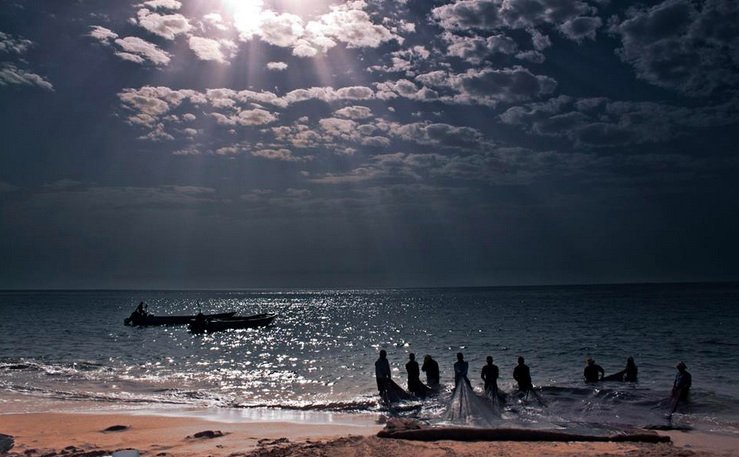
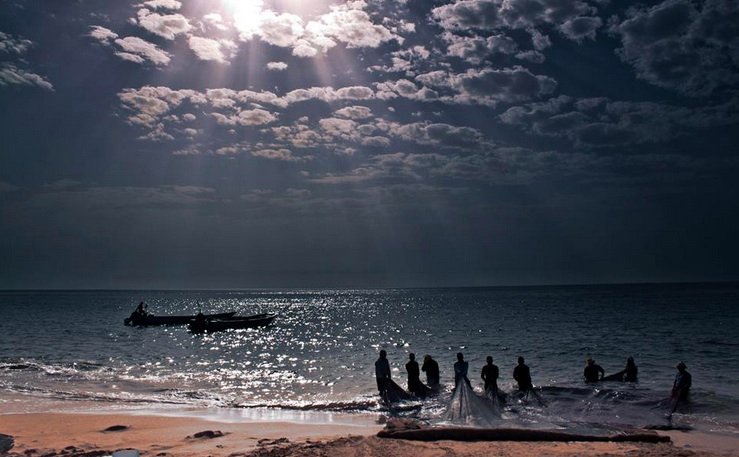
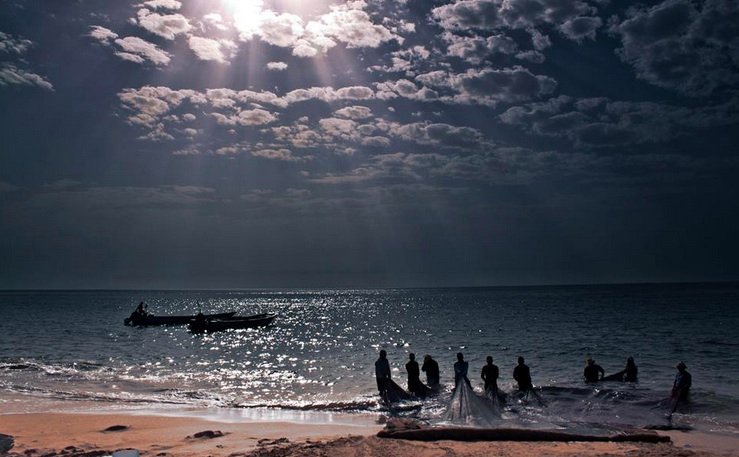
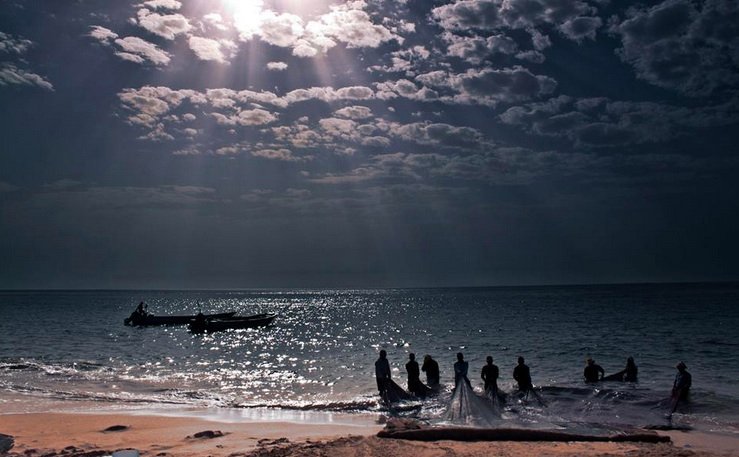
    Dubai fishermen

    In 2012, Green Prophet sounded the alarm about depleted Gulf fish stocks and weak enforcement in Dubai. Revisit Tafline Laylin’s original piece here: Dubai Finally Gets Serious About Overfishing.

    Thirteen years on, what’s changed—and what hasn’t? Regulatory frameworks are clearer. The UAE now requires licences for commercial and recreational fishing and sets rules on species, sizes, seasons, and gear. See the official portal: Regulating fishing practices (UAE).

    Marine protection and monitoring have expanded. Authorities report more scientifically informed monitoring and new research capacity,including offshore survey capability and support vessels for fisheries and habitat assessment (overview at Life Below Water – UAE.)

    overfishing, Gulf, sustainable fishing practices, Dubai

    Dubai fish market

    Measured progress in Abu Dhabi. The Environment Agency – Abu Dhabi’s Sustainable Fisheries Index rose from
    8.9% (2018) to 97.4% (end-2024), indicating far tighter alignment with sustainable harvest targets: Abu Dhabi Media Office (2025).
    Visible enforcement actions. In Feb 2025, a fisherman in Abu Dhabi was fined Dh50,000 for exceeding permitted catch limits: Gulf News: Dh50,000 fine (2025).

    Where the Picture in Dubai Is Still Mixed

    Catch and release fishing in Dubai

    Hamour (grouper) remains severely overfished. Years of overexploitation have left adult populations
    dramatically reduced and age structures truncated. Reporting highlights suggest catches far beyond sustainable thresholds and individuals rarely reaching natural lifespans: The National (2019): Overfishing is the single biggest threat

    Enforcement is uneven by emirate and along the supply chain. Market controls on undersized fish have improved, but gaps persist in inspections, reporting, and sanctions.

    Cultural and economic realities complicate reform. Traditional preferences (e.g., hamour),
    livelihoods, and consumer demand continue to pull against tighter conservation rules.

    Climate stressors add pressure. Warming seas and habitat loss make stock recovery harder even where rules are followed.

    China’s Role in Global Overfishing—With Documentation

    Local conservation can be undermined by global fleets operating across borders. Multiple analyses document the scale and governance challenges of distant-water fishing (DWF), especially from China: Global activity share: An Oceana analysis finds Chinese vessels account for roughly 44% of visible global fishing activity, appearing in more than 90 countries’ waters and logging millions of hours on the high seas: Oceana (2025).

    IUU and governance concerns: The U.S. Congressional Research Service summarizes evidence of
    illegal, unreported, and unregulated (IUU) risks, subsidy issues, and transparency gaps in China’s DWF fleet, noting
    implications for stock depletion and international disputes: CRS Report R47065 (China’s Role in the Exploitation of Global Fisheries).

    Policy pledges vs. practice: Scholarship reviews policy reforms and continuing implementation gaps in China’s fisheries, indicating improvements on paper that remain uneven on the water: Marine Policy review (ScienceDirect).

    Bottom line: Even if the UAE tightens local rules, transboundary pressure from large DWF fleets can undermine recovery, making international monitoring, port-state measures, and supply-chain traceability essential. We were told the same by Seychellois: even if they restrict fishing in nature reserves, China boats often overfish nearby without consequence.

    What Dubai (and the UAE) Can Do Next

    1. Harden market enforcement against undersized and out-of-season fish; expand surprise inspections and public reporting.
    2. Accelerate species-specific recovery plans for hamour and other priority stocks with clear biomass targets and timelines.
    3. Scale consumer campaigns to shift demand away from overfished species; promote certified alternatives.
    4. Petition to global fishing groups to enforce fishing caps and limits, especially on Chinese fishing boats.
    5. Deepen regional & international cooperation on IUU detection, electronic monitoring, and traceability
      to address external fishing pressure.
    6. Reform the press so that’s it’s free and so that locals and foreigners may criticize without serious consequences. There is no free press in the UAE. The UAE government prevents both local and foreign independent media outlets from thriving by tracking down and persecuting dissenting voices. Expatriate Emirati journalists risk being harassed, arrested or extradited according to Reporters Without Borders.

    The post Dubai overfishing: 13 years after Tafline’s warning appeared first on Green Prophet.

  • Sushi from the sky thanks to UberEats and Flytrex

    Sushi from the sky thanks to UberEats and Flytrex

    With more than 200,000 successful deliveries already completed, Flytrex has shown the system actually works in everyday life, not just in test labs. Customers order through a regular app, track the drone on a map, and then walk outside when it arrives. Just don’t get caught on the rope! 

    The post Sushi from the sky thanks to UberEats and Flytrex appeared first on Green Prophet.

    cormorands fishing

    Dubai fishermen

    In 2012, Green Prophet sounded the alarm about depleted Gulf fish stocks and weak enforcement in Dubai. Revisit Tafline Laylin’s original piece here: Dubai Finally Gets Serious About Overfishing.

    Thirteen years on, what’s changed—and what hasn’t? Regulatory frameworks are clearer. The UAE now requires licences for commercial and recreational fishing and sets rules on species, sizes, seasons, and gear. See the official portal: Regulating fishing practices (UAE).

    Marine protection and monitoring have expanded. Authorities report more scientifically informed monitoring and new research capacity,including offshore survey capability and support vessels for fisheries and habitat assessment (overview at Life Below Water – UAE.)

    overfishing, Gulf, sustainable fishing practices, Dubai

    Dubai fish market

    Measured progress in Abu Dhabi. The Environment Agency – Abu Dhabi’s Sustainable Fisheries Index rose from
    8.9% (2018) to 97.4% (end-2024), indicating far tighter alignment with sustainable harvest targets: Abu Dhabi Media Office (2025).
    Visible enforcement actions. In Feb 2025, a fisherman in Abu Dhabi was fined Dh50,000 for exceeding permitted catch limits: Gulf News: Dh50,000 fine (2025).

    Where the Picture in Dubai Is Still Mixed

    Catch and release fishing in Dubai

    Hamour (grouper) remains severely overfished. Years of overexploitation have left adult populations
    dramatically reduced and age structures truncated. Reporting highlights suggest catches far beyond sustainable thresholds and individuals rarely reaching natural lifespans: The National (2019): Overfishing is the single biggest threat

    Enforcement is uneven by emirate and along the supply chain. Market controls on undersized fish have improved, but gaps persist in inspections, reporting, and sanctions.

    Cultural and economic realities complicate reform. Traditional preferences (e.g., hamour),
    livelihoods, and consumer demand continue to pull against tighter conservation rules.

    Climate stressors add pressure. Warming seas and habitat loss make stock recovery harder even where rules are followed.

    China’s Role in Global Overfishing—With Documentation

    Local conservation can be undermined by global fleets operating across borders. Multiple analyses document the scale and governance challenges of distant-water fishing (DWF), especially from China: Global activity share: An Oceana analysis finds Chinese vessels account for roughly 44% of visible global fishing activity, appearing in more than 90 countries’ waters and logging millions of hours on the high seas: Oceana (2025).

    IUU and governance concerns: The U.S. Congressional Research Service summarizes evidence of
    illegal, unreported, and unregulated (IUU) risks, subsidy issues, and transparency gaps in China’s DWF fleet, noting
    implications for stock depletion and international disputes: CRS Report R47065 (China’s Role in the Exploitation of Global Fisheries).

    Policy pledges vs. practice: Scholarship reviews policy reforms and continuing implementation gaps in China’s fisheries, indicating improvements on paper that remain uneven on the water: Marine Policy review (ScienceDirect).

    Bottom line: Even if the UAE tightens local rules, transboundary pressure from large DWF fleets can undermine recovery, making international monitoring, port-state measures, and supply-chain traceability essential. We were told the same by Seychellois: even if they restrict fishing in nature reserves, China boats often overfish nearby without consequence.

    What Dubai (and the UAE) Can Do Next

    1. Harden market enforcement against undersized and out-of-season fish; expand surprise inspections and public reporting.
    2. Accelerate species-specific recovery plans for hamour and other priority stocks with clear biomass targets and timelines.
    3. Scale consumer campaigns to shift demand away from overfished species; promote certified alternatives.
    4. Petition to global fishing groups to enforce fishing caps and limits, especially on Chinese fishing boats.
    5. Deepen regional & international cooperation on IUU detection, electronic monitoring, and traceability
      to address external fishing pressure.
    6. Reform the press so that’s it’s free and so that locals and foreigners may criticize without serious consequences. There is no free press in the UAE. The UAE government prevents both local and foreign independent media outlets from thriving by tracking down and persecuting dissenting voices. Expatriate Emirati journalists risk being harassed, arrested or extradited according to Reporters Without Borders.

    The post Dubai overfishing: 13 years after Tafline’s warning appeared first on Green Prophet.

  • How to make mushroom paper

    How to make mushroom paper

    Learn how to make sustainable paper from mushrooms using tough, fibrous fungi like artist’s conk, turkey tail, and birch polypore. This eco-friendly craft transforms woody polypores into strong, chitin-based sheets perfect for art projects, greeting cards, or handmade journals. Our step-by-step guide to mushroom papermaking covers soaking, pulping, forming sheets with a mould and deckle, and drying methods—showing how fungi can replace traditional wood pulp for unique, natural paper.

    The post How to make mushroom paper appeared first on Green Prophet.

    cormorands fishing

    Dubai fishermen

    In 2012, Green Prophet sounded the alarm about depleted Gulf fish stocks and weak enforcement in Dubai. Revisit Tafline Laylin’s original piece here: Dubai Finally Gets Serious About Overfishing.

    Thirteen years on, what’s changed—and what hasn’t? Regulatory frameworks are clearer. The UAE now requires licences for commercial and recreational fishing and sets rules on species, sizes, seasons, and gear. See the official portal: Regulating fishing practices (UAE).

    Marine protection and monitoring have expanded. Authorities report more scientifically informed monitoring and new research capacity,including offshore survey capability and support vessels for fisheries and habitat assessment (overview at Life Below Water – UAE.)

    overfishing, Gulf, sustainable fishing practices, Dubai

    Dubai fish market

    Measured progress in Abu Dhabi. The Environment Agency – Abu Dhabi’s Sustainable Fisheries Index rose from
    8.9% (2018) to 97.4% (end-2024), indicating far tighter alignment with sustainable harvest targets: Abu Dhabi Media Office (2025).
    Visible enforcement actions. In Feb 2025, a fisherman in Abu Dhabi was fined Dh50,000 for exceeding permitted catch limits: Gulf News: Dh50,000 fine (2025).

    Where the Picture in Dubai Is Still Mixed

    Catch and release fishing in Dubai

    Hamour (grouper) remains severely overfished. Years of overexploitation have left adult populations
    dramatically reduced and age structures truncated. Reporting highlights suggest catches far beyond sustainable thresholds and individuals rarely reaching natural lifespans: The National (2019): Overfishing is the single biggest threat

    Enforcement is uneven by emirate and along the supply chain. Market controls on undersized fish have improved, but gaps persist in inspections, reporting, and sanctions.

    Cultural and economic realities complicate reform. Traditional preferences (e.g., hamour),
    livelihoods, and consumer demand continue to pull against tighter conservation rules.

    Climate stressors add pressure. Warming seas and habitat loss make stock recovery harder even where rules are followed.

    China’s Role in Global Overfishing—With Documentation

    Local conservation can be undermined by global fleets operating across borders. Multiple analyses document the scale and governance challenges of distant-water fishing (DWF), especially from China: Global activity share: An Oceana analysis finds Chinese vessels account for roughly 44% of visible global fishing activity, appearing in more than 90 countries’ waters and logging millions of hours on the high seas: Oceana (2025).

    IUU and governance concerns: The U.S. Congressional Research Service summarizes evidence of
    illegal, unreported, and unregulated (IUU) risks, subsidy issues, and transparency gaps in China’s DWF fleet, noting
    implications for stock depletion and international disputes: CRS Report R47065 (China’s Role in the Exploitation of Global Fisheries).

    Policy pledges vs. practice: Scholarship reviews policy reforms and continuing implementation gaps in China’s fisheries, indicating improvements on paper that remain uneven on the water: Marine Policy review (ScienceDirect).

    Bottom line: Even if the UAE tightens local rules, transboundary pressure from large DWF fleets can undermine recovery, making international monitoring, port-state measures, and supply-chain traceability essential. We were told the same by Seychellois: even if they restrict fishing in nature reserves, China boats often overfish nearby without consequence.

    What Dubai (and the UAE) Can Do Next

    1. Harden market enforcement against undersized and out-of-season fish; expand surprise inspections and public reporting.
    2. Accelerate species-specific recovery plans for hamour and other priority stocks with clear biomass targets and timelines.
    3. Scale consumer campaigns to shift demand away from overfished species; promote certified alternatives.
    4. Petition to global fishing groups to enforce fishing caps and limits, especially on Chinese fishing boats.
    5. Deepen regional & international cooperation on IUU detection, electronic monitoring, and traceability
      to address external fishing pressure.
    6. Reform the press so that’s it’s free and so that locals and foreigners may criticize without serious consequences. There is no free press in the UAE. The UAE government prevents both local and foreign independent media outlets from thriving by tracking down and persecuting dissenting voices. Expatriate Emirati journalists risk being harassed, arrested or extradited according to Reporters Without Borders.

    The post Dubai overfishing: 13 years after Tafline’s warning appeared first on Green Prophet.

  • Dubai overfishing: 13 years after Tafline’s warning

    Dubai overfishing: 13 years after Tafline’s warning

    In 2012, Green Prophet sounded the alarm about depleted Gulf fish stocks and weak enforcement in Dubai. Revisit Tafline Laylin’s original piece here: Dubai Finally Gets Serious About Overfishing.

    The post Dubai overfishing: 13 years after Tafline’s warning appeared first on Green Prophet.

    cormorands fishing

    Dubai fishermen

    In 2012, Green Prophet sounded the alarm about depleted Gulf fish stocks and weak enforcement in Dubai. Revisit Tafline Laylin’s original piece here: Dubai Finally Gets Serious About Overfishing.

    Thirteen years on, what’s changed—and what hasn’t? Regulatory frameworks are clearer. The UAE now requires licences for commercial and recreational fishing and sets rules on species, sizes, seasons, and gear. See the official portal: Regulating fishing practices (UAE).

    Marine protection and monitoring have expanded. Authorities report more scientifically informed monitoring and new research capacity,including offshore survey capability and support vessels for fisheries and habitat assessment (overview at Life Below Water – UAE.)

    overfishing, Gulf, sustainable fishing practices, Dubai

    Dubai fish market

    Measured progress in Abu Dhabi. The Environment Agency – Abu Dhabi’s Sustainable Fisheries Index rose from
    8.9% (2018) to 97.4% (end-2024), indicating far tighter alignment with sustainable harvest targets: Abu Dhabi Media Office (2025).
    Visible enforcement actions. In Feb 2025, a fisherman in Abu Dhabi was fined Dh50,000 for exceeding permitted catch limits: Gulf News: Dh50,000 fine (2025).

    Where the Picture in Dubai Is Still Mixed

    Catch and release fishing in Dubai

    Hamour (grouper) remains severely overfished. Years of overexploitation have left adult populations
    dramatically reduced and age structures truncated. Reporting highlights suggest catches far beyond sustainable thresholds and individuals rarely reaching natural lifespans: The National (2019): Overfishing is the single biggest threat

    Enforcement is uneven by emirate and along the supply chain. Market controls on undersized fish have improved, but gaps persist in inspections, reporting, and sanctions.

    Cultural and economic realities complicate reform. Traditional preferences (e.g., hamour),
    livelihoods, and consumer demand continue to pull against tighter conservation rules.

    Climate stressors add pressure. Warming seas and habitat loss make stock recovery harder even where rules are followed.

    China’s Role in Global Overfishing—With Documentation

    Local conservation can be undermined by global fleets operating across borders. Multiple analyses document the scale and governance challenges of distant-water fishing (DWF), especially from China: Global activity share: An Oceana analysis finds Chinese vessels account for roughly 44% of visible global fishing activity, appearing in more than 90 countries’ waters and logging millions of hours on the high seas: Oceana (2025).

    IUU and governance concerns: The U.S. Congressional Research Service summarizes evidence of
    illegal, unreported, and unregulated (IUU) risks, subsidy issues, and transparency gaps in China’s DWF fleet, noting
    implications for stock depletion and international disputes: CRS Report R47065 (China’s Role in the Exploitation of Global Fisheries).

    Policy pledges vs. practice: Scholarship reviews policy reforms and continuing implementation gaps in China’s fisheries, indicating improvements on paper that remain uneven on the water: Marine Policy review (ScienceDirect).

    Bottom line: Even if the UAE tightens local rules, transboundary pressure from large DWF fleets can undermine recovery, making international monitoring, port-state measures, and supply-chain traceability essential. We were told the same by Seychellois: even if they restrict fishing in nature reserves, China boats often overfish nearby without consequence.

    What Dubai (and the UAE) Can Do Next

    1. Harden market enforcement against undersized and out-of-season fish; expand surprise inspections and public reporting.
    2. Accelerate species-specific recovery plans for hamour and other priority stocks with clear biomass targets and timelines.
    3. Scale consumer campaigns to shift demand away from overfished species; promote certified alternatives.
    4. Petition to global fishing groups to enforce fishing caps and limits, especially on Chinese fishing boats.
    5. Deepen regional & international cooperation on IUU detection, electronic monitoring, and traceability
      to address external fishing pressure.
    6. Reform the press so that’s it’s free and so that locals and foreigners may criticize without serious consequences. There is no free press in the UAE. The UAE government prevents both local and foreign independent media outlets from thriving by tracking down and persecuting dissenting voices. Expatriate Emirati journalists risk being harassed, arrested or extradited according to Reporters Without Borders.

    The post Dubai overfishing: 13 years after Tafline’s warning appeared first on Green Prophet.

  • Is it time to panic about the future of higher ed?

    Is it time to panic about the future of higher ed?

    Schools are cutting programs, scaling way back and in some extreme instances, closing altogether. Is this the end of higher ed?

    The post Is it time to panic about the future of higher ed? appeared first on HighEdWebTech.

    If you’re like me, and you may be since you’re reading this post,  you get ideas for apps , websites and services all the time. I know I do. What I am bad at is actually executing these ideas. Sometimes I write a little code, other times I buy a domain name that would fit my idea and then life happens and before you know it I have a bunch of folders, some code and domain names but no real sites to speak of.  I’m trying to break that cycle.

    I worked in higher ed from 1998 to 2016. It was both the best and hardest career choice I could have made and it was awesome. I met so many awesome colleagues, team members, friends and more across that time. I left and went to the private sector for two years, but it wasn’t a great fit. At that point, I went full-time on my own at my digital agency, Gas Mark 8.  I kept looking for higher ed roles, interviewed for several (including a few full-day on campus interviews) but nothing went my way. What can you do — it happens.

    Over the last 6 years since I left higher ed, I’ve seen so many amazing people leave the industry. It started pre-pandemic, the last 3 years have really been hard on higher education and there’s been a large exodus of talent. There are a lot of reasons for that, and we know many of them (pay, remote work, career advancement, difficult environments, the big sea change in education, and so on.) There has been a very large brain drain, and that’s a bummer.

    I’m bummed because I love higher ed and it’s important. I don’t know what the future holds for it, but I believe in what its about. I have one child a year away from finishing college and one a year away from starting. They’re working with amazing faculty and staff and taking advantage of all the opportunities they can. It’s so critical as they get ready to go out into the world.

    Back in 2013 or 2014, I created a very quick and dirty job search website that provided links to the HR listing pages of colleges and universities around me in Cleveland, where I live. I was curious about what was out there, and made a simple tool. I shared it with some folks on my team, and added more cities like Erie and Pittsburgh, Pennsylvania. It was just for me mostly, and had very little in terms of design or usability. I did, however, notice that a few schools featured  RSS feeds, and I added a note in my code to someday build out a feature that would grab those job posts and show them on the page without needing another click. The idea nagged at me. I took me 7 or 8 years, but I finally built it.

    Before Christmas, I was going through some folders of code and old sites and found the old job site I made. “Finally,” I thought, “there has to be an easy way to build this.” In about 15 minutes, I spun up a WordPress dev site, installed some of the tools we use at Gas Mark 8 and got to work. I started with the last school I worked at (miss you, JCU) — it’s also where my son attends. I threw in their RSS feed and to my surprise, it worked. There were 15 jobs in a custom post type I created. Interesting…

    I continued to iterate on features and data structures. The goal in my mind was to build something I didn’t have to babysit. I wanted to add schools to it, import their posts and make sure the data goes to the right place. It started out well. I found more and more schools whose applicant tracking system (ATS) offered RSS or Atom feeds. A decent amount do but the vast majority of them to do not. TMany are closed systems, which is fine, but it stinks to not share that data.

    One thing that the plugins we have and the code I’ve written so far doesn’t do (except for a few tests) is scrape pages to get job postings. The ones I’ve tried to scape use the same system so I can re-use my code but many obfuscate their code and don’t let you make requests to data like JSON feeds (looking at you, Workday.) If anyone has written a scraper for any of these ATS sites, let me know.

    Once the jobs were coming in, the actual web site  needed a layout, design, UI and most importantly a name. Let me introduce you to CollegeAndUniversity.careers. Have you tried to find a good domain name lately? It’s difficult.

    Tako logo After a few weeks of work and getting some help (thanks, Dylan!), it’s ready for use. I’ve polling about 90 schools and the site now has over 7,700 jobs. It polls schools daily, gets new jobs, edits existing job and deletes jobs that are no longer posted. We’ve created some cool searching ability (by keyword, state or both.) I think it would be cool to allow people to create job search alerts, but that’s down the road. I’ve got a nice feature list going.

    We also have a logo. I had one made awhile ago for another app (it’s on the list to build) and we all love it so it’s got a graduation cap now. Why an octopus? It’s got eight legs. Our agency also has an 8 in it. Made sense at the time. I’m thinking of calling it Tako.

    The site is built in WordPress and uses Elementor. I did the design in XD and we built it from there. It uses WP All Import Pro to poll all the schools and import the jobs. I wrote some PHP to scrape a few sites that didn’t have feeds. It’s OK but not the best. The site is hosted at Cloudways, where we are a Gold Agency Partner and are big fans. They’ve made our lives much easier.

    I’m sharing it here because there are still some folks who subscribe to this blog via email so I hope you’ll open it and visit it. You may still work in higher ed, so I’d love your feedback and ideas on how to make this the best job search tool possible.

    If you have a second, would you mind checking it out? Better yet, if you know of someone who is searching for the next stop in their career, please share it with them. We’re adding new schools every day and if just one person finds an amazing opportunity from the site, then all the work and time will have been worth it.

    Me? I’m glad to get one of these ideas out of my head and out there into the world.

    Thanks and Happy New Year Career!

    The post I decided to build a job search site appeared first on HighEdWebTech.

  • What I’ve Learned from a Million Public Story Views on SnapChat

    What I’ve Learned from a Million Public Story Views on SnapChat

    Last year, I wrote about my experience of getting to 500,000 public story views on Snapchat. While fully acknowledging that I am not Snap’s target demographic, it’s been interesting to watch the rise, dip and potential rise again of this company. This is a critical time for the social media platform, as new networks like […]

    The post What I’ve Learned from a Million Public Story Views on SnapChat appeared first on HighEdWebTech.

    Yeah, that’s a slightly clickbait-y title, but these are scary times. Schools are cutting programs, scaling way back and in some extreme instances, closing altogether. It’s hard to go a full week without seeing an article in the news about the impending death of higher education.

    Is higher ed dying? No, I don’t think so. Is it sick? Yes, I believe so.

    I recently read this news story about big companies like Google, Apple and Netflix no longer requiring college degrees for its employees. This quote jumped out at me:

    Apple CEO Tim Cook recently said that about half of Apple’s US employment last year included people who did not have four-year degrees. Cook reasoned that many colleges do not teach the skills business leaders need most in their workforce, such as coding.

    That’s worrying, but not surprising. It’s challenging to quickly pivot at enterprises as large as a university. Apple can decide tomorrow to stop making X and instead make Y. That’s a much harder thing to do for us.

    I’ve been thinking about this a lot lately as we go through the college search process with our oldest child. I’ve been focusing like never before on outcomes and cost, and what kind of experience my son will have. I wonder what the experience will be like 5 years after that for my younger son. Expect a large number of posts in the coming months about my experiences of this search process. I know how the sausage is made, so I’ve been both surprised and downright shocked at what some schools are doing to reach potential students. That’s a (series of) post(s) for another day.

    I watched this video last week, and while I disagree with some of what Patrick Bet-David is saying in it, some of makes a lot of sense, especially the parts about speed, memory and technology changing so fast that some programs are out of date before they even start. Have a watch and let me know what, if anything, jumps out at you and what parts you think are applicable.

    The post Is it time to panic about the future of higher ed? appeared first on HighEdWebTech.

  • Automattic Gets $300M Investment, Now What?

    Automattic Gets $300M Investment, Now What?

    Automattic, the company that runs WordPress.com and many other services like JetPack, WooCommerce and more has received $300 million USD in funding from Salesforce. What does this mean WordPress going forward?

    The post Automattic Gets $300M Investment, Now What? appeared first on HighEdWebTech.

    Snapcode from SnapchatLast year, I wrote about my experience of getting to 500,000 public story views on Snapchat. While fully acknowledging that I am not Snap’s target demographic, it’s been interesting to watch the rise, dip and potential rise again of this company. This is a critical time for the social media platform, as new networks like TikTok are gaining a lot of steam globally, especially in higher ed.

    Today, I write to let you know that earlier this summer, I crossed the million public story views milestone. On my Snapchat. I know, it’s nutty.

    It’s strange to think people around the world have watched 40 days worth of my content. My content? It’s not terribly interesting. It’s a lot of food shots taken while I’m travelling and vinyl I’ve been listening to lately.

    Snapchat Screenshot

    Observations on a million Snapchat views

    First, Snapchat isn’t dead. While it’s certainly not aimed at me and people my age, it’s still used heavily by its younger users. My oldest is nearly 18 years old, and most of the time his phone is open to Snapchat or Instagram. It’s a big communication tool for one to one and group chats.

    Second, the analytics available to power users haven’t changed all the much. I wrote about Snap’s analytics tools when they first launched last year and the tool hasn’t evolved. The stats are still top level, and while they’re interesting (location, interest), they aren’t much more than superficial. There isn’t much in the way of actionable intel here to work with or make decisions with. Snap tells me I’m popular in Greater London as well as my public Snaps are 7x more popular than average amongst people who are fans of cricket. I dig cricket, but I’ve never posted a Snap or story about cricket. There’s a lot of room for improvement here.

    Third, consistency is key when it comes to views. When I was posting regularly, often daily, I would get more views, often to the tune of 7-10k views per story.  I haven’t posted much this year, and that number hovers between one and two thousand views per post. If you want to grow your public views, post a lot and regularly.

    Finally, Snap will still not give you a total number of views. Maybe if you’re a big brand that has a high ad spent, you can see those types of analytic data, but I can’t. I’d love to know how many people follow me, instead Snap just tells me who recent followers are. That’s disappointing.

    I hope Snap rebounds and keeps adding new and interesting features. They certainly are doing great work around their lens and filters and just this week they announced a new version of their Spectacles wearable.

    The post What I’ve Learned from a Million Public Story Views on SnapChat appeared first on HighEdWebTech.

  • Are special characters in your tweets breaking accessibility?

    Are special characters in your tweets breaking accessibility?

    I’ve been seeing a lot of Twitter accounts, both regular user accounts as well as brand accounts, using fancy, math and other symbol fonts in their tweets. These characters are all legal, and part of the Unicode standard. Akin to using a screenshot from a notes app in your tweet, we should take a closer […]

    The post Are special characters in your tweets breaking accessibility? appeared first on HighEdWebTech.

    Automattic, the company that runs WordPress.com and many other services like JetPack, WooCommerce and more has received $300 million USD in funding from Salesforce. From TechCrunch:

    Automattic, the company behind WordPress.com, WooCommerce and soon Tumblr, has closed a $300 million funding round at a $3 billion post-money valuation. The Series D round has a single investor, Salesforce Ventures.

    First off, congrats at Matt Mullenweg and the Automattic team on this round. That’s a large investment and Salesforce is an interesting, and sole partner in this investment. This will improve services, integrate new acquisitions like Tumblr, and create more jobs. All good things. I’d love someone to invest anything let alone several hundred million dollars in my company.

    VentureBeat says this about the deal:

    Reading between the lines, it’s not hard to see why Salesforce would invest such a gargantuan sum in a company best known for blogging. WordPress currently powers one-third of the web, which includes everything from small-time bloggers to publishers and online retailers. And several products in Automattic’s arsenal hint at the reasons Salesforce has elected to invest in the company.

    What does this mean for you?

    The question I’ve been thinking about all morning is this: what does this fundraising mean for those of us who use, develop for, and are deep in the trenches with WordPress. I think the answers are good and bad.

    To start, it means more ads. I don’t mean display or text ads are going to start populating WordPress. Instead,  you are going to see an increase in the promotion of Automattic’s services and offerings in products like WooCommerce, product directories and more, putting their products in front of tens of millions of WordPress users, admins and developers.

    You may have already seen this in action. This Spring, WooCommerce started pushing their plugins and add-ons as “recommended extensions,” and surprise, they’re all Automattic/WooCommerce owned ones. About this new type of “ad,” Erik Bernskiold said this:

    “I get that WooCommerce want to benefit from their commercial side, too, and there are many ways to do this. But in this case, it feels like this is at a great disregard for the users. Hijacking a product list, order list or a user interface element in this way is a major interruption of the user experience. It’s not the place for an ad.”

    I understand that Automattic bought WooCommerce, and it’s their platform, but for many people, they feel the manipulation of a set of results goes against the open nature of WordPress.

    The rise of plugin nags, upsells and banners

    This happens in the Add Plugin area of WordPress as well. Look at the “Featured” tab — 2 of the 5 plugins there are paid services from Automattic (Akismet and JetPack.) Switch to the “Recommended” tab and you see WooCommerce in the first position.

    In addition, there’s been a very rapid increase in the use of upsell alerts, banners and other annoyances by WordPress plugin makers lately. What’s keeping a widely used tool like WooCommerce to start advertising other Automattic services, like the recently acquired ZBS CRM?

    Screenshot from Updraft Plus Nag message
    I like the Updraft Backup plugin, but they constantly nag users to upgrade. They’re not alone in doing this. Lookin’ at you, Yoast.


    They wouldn’t do this, people will say. No? The over $500 million that they’ve raised for their company isn’t a gift — investors expect a several-multiple return on that investment. So, Automattic has to make money. They do that by selling services like WordPress VIP, WooCommerce add-ons and so on.

    Governance is Key

    It’s these kind of possibilities that makes the push for improved governance over the WordPress project more important than ever. There are some key issues that need to be communicated, debated and solutions offered to the community. There are many, but I’d include topics such as the expansion of nags like the ones I mentioned earlier. There’s the issue of auto-updating old WordPress installations, and the pros and cons of doing that. And finally, there’s accessibility.

    I don’t think the accessibility issues around Gutenberg at the launch of version 5 of WordPress were handled particularly well. There have been a million blog post and tweets both for and against the launch in general as well as about the accessibility issues. Thankfully, organizations like WPCampus raised money to fund an accessibility study to identify issues with the hope they would be fixed. (Note: I donated to that campaign.)

    WordPress (.org) is open source, and needs formal and stable governance. It powers so much of the web it needs oversight to keep it free, open and not under the control of one company.


    The post Automattic Gets $300M Investment, Now What? appeared first on HighEdWebTech.