







Blog

  • The Power of Imperfect Work in an AI-Driven, Perfection-Obsessed World

    The Power of Imperfect Work in an AI-Driven, Perfection-Obsessed World

    “Have no fear of perfection—you’ll never reach it.” ~Salvador Dalí

    We live in a world that worships polish.

    Perfect photos on Instagram. Seamless podcasts with no awkward pauses. Articles that read like they’ve passed through a dozen editors.

    And now, with AI tools that can produce mistake-free writing in seconds, the bar feels even higher. Machines can generate flawless sentences, perfect grammar, and shiny ideas on demand. Meanwhile, I’m over here second-guessing a paragraph, rewriting the same sentence six different ways, and still wondering if “Best” or “Warmly” is the less awkward email sign-off.

    It’s easy to feel like our …

    “Have no fear of perfection—you’ll never reach it.” ~Salvador Dalí

    We live in a world that worships polish.

    Perfect photos on Instagram. Seamless podcasts with no awkward pauses. Articles that read like they’ve passed through a dozen editors.

    And now, with AI tools that can produce mistake-free writing in seconds, the bar feels even higher. Machines can generate flawless sentences, perfect grammar, and shiny ideas on demand. Meanwhile, I’m over here second-guessing a paragraph, rewriting the same sentence six different ways, and still wondering if “Best” or “Warmly” is the less awkward email sign-off.

    It’s easy to feel like our messy, human work doesn’t measure up.

    I’ve fallen into that trap plenty of times. I’ve delayed publishing because “it’s not ready.” I’ve rerecorded podcasts because I stumbled on a word. I’ve tweaked and reformatted things no one else would even notice.

    Perfectionism whispers: If it isn’t flawless, don’t share it.

    But over time, I’ve learned something else: imperfection is not a liability. It’s the whole point.

    A Table Full of Flaws

    One of the best lessons I’ve ever learned about imperfection came not from writing or technology, but from woodworking.

    About a decade ago, I decided to build a dining table. I spent hours measuring, cutting, sanding, and staining. I wanted it to be perfect.

    But here’s the truth about woodworking: nothing ever turns out perfect. Ever.

    That table looks solid from across the room. But if you step closer, you’ll notice the flaws. The board I mismeasured by a quarter inch. The corner I over-sanded. The stain that didn’t set evenly.

    At first, I saw those flaws as failures. Proof that I wasn’t skilled enough, patient enough, or careful enough.

    But then something surprising happened. My wife walked into the room, saw the finished table, and said she loved it. She didn’t see the mistakes. She saw something that had been made with love and care.

    And slowly, I began to see it that way, too.

    That table isn’t just furniture. It’s proof of effort, process, and patience. It carries my fingerprints, my sweat, and my imperfect humanity.

    And here’s the kicker: it’s way more fulfilling than anything mass-produced or manufactured as machine-perfect.

    Why Imperfection Connects Us

    That table taught me something AI never could: flaws tell a story.

    Machines can produce flawless outputs, but they can’t create meaning. They can’t replicate the pride of sanding wood with your own hands or the laughter around a table that wobbled for the first month.

    Imperfections are what make something ours. They carry our fingerprints, quirks, and lived experiences.

    In contrast, perfection is sterile. It might be impressive, but it rarely feels alive.

    Think about the things that move us most—a friend’s vulnerable story, a laugh that turns into a snort, a talk where the speaker loses their train of thought but recovers with honesty. When was the last time you felt closest to someone? Chances are, it wasn’t when they were polished, it was when they were real. Those moments connect us precisely because they are imperfect.

    They remind us we’re not alone in our flaws.

    The AI Contrast

    AI dazzles us because it never stutters. It never doubts. It never sends an awkward text or spills coffee on its keyboard. AI can do flawless. But flawless isn’t the same as meaningful.

    But here’s what it doesn’t do:

    • It doesn’t feel the mix of pride and embarrassment in showing someone your wobbly table.
    • It doesn’t understand the joy of cooking a meal that didn’t go exactly to plan.
    • It doesn’t know what it’s like to hit “publish” while your stomach churns with nerves, only to get a message later that says, “This made me feel less alone.”

    Flawlessness might be a machine’s strength. But humanity is ours.

    The very things I used to try to hide—the quirks, the rough edges, the imperfections—are the things that make my work worth sharing.

    A Different Kind of Readiness

    I used to think I needed to wait until something was “ready.” The blog post polished just right. The podcast that’s perfectly edited. The message refined until it couldn’t possibly be criticized.

    But I’ve learned that readiness is a mirage. It’s often just perfectionism in disguise.

    The truth is, most of the things that resonated most with people—my most-downloaded podcast episode, the articles that readers emailed me about months later—were the ones I almost didn’t share. The ones that felt too messy, too vulnerable, too real.

    And yet, those are the ones people said, “This is exactly what I needed to hear.”

    Not the flawless ones. The human ones.

    How We Can Embrace Imperfection

    I’m not saying it’s easy. Perfectionism is sneaky. It wears the disguise of “high standards” or “being thorough.”

    Here’s what I’ve found helps me. Not rules, but reminders I keep returning to:

    Share before you feel ready.If it feels 80% good enough, release it. The last 20% is often just endless polishing.

    Reframe mistakes as stories.My table’s flaws? Now they’re conversation starters. What mistakes of yours might carry meaning, too?

    Notice where imperfection builds connection.The things that make people feel closer to you usually aren’t the shiny parts. They’re the honest ones.

    The Bigger Picture

    We live in a culture obsessed with speed, optimization, and polish. AI accelerates that pressure. It tempts us to compete on machine terms: flawless, instant, infinite.

    But that’s not the game we’re meant to play.

    Our advantage—our only real advantage—is that we’re human. We bring nuance, empathy, humor, vulnerability, and lived experience.

    Robots don’t laugh until they snort. They don’t ugly cry during Pixar movies. They don’t mismeasure wood or forget to use the wood glue and build a table that their partner loves anyway.

    You do. I do. That’s the point.

    So maybe we don’t need to sand down every rough edge. Perhaps we don’t need to hide every flaw.

    Because when the world is flooded with flawless, machine-polished work, the imperfect, human things will stand out.

    And those are the things people will remember.

    About Chris Cage

    Chris Cage is the author of Still Human: Staying Sane, Productive, and Fully You in the Age of AI. He is a product manager, writer, and mental health advocate. He writes at The Mental Lens blog and hosts the podcast Through the Mental Lens, where he explores the intersection of productivity, mental well-being, and technology. Learn more and subscribe to the newsletter at TheMentalLens.com. You can also follow Chris on Instagram, Goodreads, and Amazon.

    Get in the conversation! Click here to leave a comment on the site.

  • How to Stay Kind Without Losing Yourself to Toxic Behavior

    How to Stay Kind Without Losing Yourself to Toxic Behavior

    “The strongest people are the ones who are still kind after the world tore them apart.” ~Raven Emotion

    A few months ago, I stopped being friends with my best friend from childhood, whom I had always considered like my brother.

    It was a tough decision, but I had to make it.

    In the past five years, my friend (let’s call him Andy) had become increasingly rude and dismissive toward my feelings.

    Not a single week went by without him criticizing me for being optimistic and for never giving up despite being a “failure.”

    Still, I tried to be understanding. I …

    “The strongest people are the ones who are still kind after the world tore them apart.” ~Raven Emotion

    A few months ago, I stopped being friends with my best friend from childhood, whom I had always considered like my brother.

    It was a tough decision, but I had to make it.

    In the past five years, my friend (let’s call him Andy) had become increasingly rude and dismissive toward my feelings.

    Not a single week went by without him criticizing me for being optimistic and for never giving up despite being a “failure.”

    Still, I tried to be understanding. I really did.

    I knew he was always stressed because he was going to graduate from college two years later than his peers.

    And I knew he felt insecure about not being as rich and successful as “everyone else.”

    But one can only take so much, and after so many years, I just couldn’t anymore.

    It’s hard to keep showing up with warmth and patience when the other person not only doesn’t appreciate you but even attacks you for being “naive in the face of reality.”

    (Yeah, he’d somehow convinced himself that I was in denial about my lack of success—as if the only way to react to failure were to get angry and frustrated.)

    If you’ve always tried your best to be kind and gentle, you too might have been in a similar situation and wondered at least once, “Why bother?”

    Because even though we don’t expect trophies or medals, a complete lack of appreciation can become difficult to accept after a while, and a simple “thank you” can start to matter more than we wish it did.

    I’ll admit that, because of Andy, I almost gave up on being a kind person multiple times.

    Luckily, I didn’t, and in the months that led to my difficult decision, I learned some important lessons on how to stay kind even when it starts to feel like there’s no point to it.

    I hope these lessons will help you stay true to yourself, too.

    1. Make sure you’re not using kindness as a bargaining chip.

    Just as positivity can become toxic, there is such a thing as a harmful way of sharing kindness.

    Here’s what I mean.

    In my teenage years, I used to be what some would call a “nice guy.”

    You know, the type of guy who prides himself on being nice, except he’s really not.

    In typical “nice guy” fashion, I treated kindness as a transaction. (”I’m doing all these things for them, so they should do the same for me” was a typical thought always floating in my mind.)

    I would be nice and generous to others, but I would always compare what they did for me to what I had done for them.

    Then, if they didn’t reciprocate in a way that I found satisfactory, I would secretly start to resent them.

    It’s not my proudest memory, but it shows how even something positive like kindness can be weaponized.

    And it’s not just “nice guys” who do that, either.

    Many parents make the same mistake: they try to guilt their children into showing gratitude or obedience by bringing up all the sacrifices they’ve made for them.

    Of course, all this does is make the kids feel bad and even distrustful, as they may start to wonder whether their parents’ sacrifices were made out of love or selfish motives.

    Because when kindness is given conditionally, it stops being about helping—it becomes about satisfying one’s desperate need for appreciation.

    Needless to say, this is unhealthy for all parties involved.

    That’s why it’s best to…

    2. View kindness as an expression of who you are.

    It’s easy to forget—especially when it goes underappreciated for too long—that kindness should be, fundamentally, an expression of yourself.

    You are kind because it’s who you are, not because you want someone else’s approval.

    When I look back on my friendship with Andy, I’m obviously not happy about all the times he attacked my self-esteem, dismissed my feelings, and put cracks in our relationship without a second thought. However, I can at least be proud that I didn’t let that break me and instead stayed strong.

    Because that’s what this is about.

    Being kind, even in the absence of thanks, is an act of self-respect.

    It’s not about wanting others to notice.

    It’s about staying true to yourself, regardless of how unappreciative others might be.

    3. Remember you’re allowed to withdraw your kindness.

    Kind people always struggle with this.

    We worry that if we quit going above and beyond for someone, it might mean that we’re not good people anymore.

    This is why it took me so many years to finally stop being best friends with Andy: I was afraid of being told I wasn’t really kind after all.

    I didn’t want that to happen, so I kept being as generous as possible, despite how often he hurt me.

    For years, I kept cooking, doing the dishes, vacuuming, mopping, and doing all sorts of chores that normally would be divided equally among roommates.

    I wanted to do my best to give him as much time and space to focus on his studies (although I was in his same situation and had my own studying to do).

    I refused to see that he didn’t plan on treating me any better.

    In fact, years before, he’d already made it clear he didn’t believe I deserved to be repaid for all the things I did.

    Yet, I just let him disrespect me and hurt me and kept being kind to him. Because kindness shouldn’t be conditional, right? Because it should just be an expression of yourself, right?

    But here’s what I now understand: just because you shouldn’t expect people to treat you well in exchange for your kindness, it doesn’t mean you should accept being treated badly.

    There’s a limit to how much thanklessness you can tolerate before it starts eating you up inside.

    You have every right to pause or withdraw your kindness when you’re being treated poorly. This is about setting healthy boundaries. You’re not being selfish or arrogant.

    I can’t believe how long it took me to realize that unconditional doesn’t mean boundaryless.

    Kindness with zero boundaries isn’t kindness at all but self-abandonment.

    There’s nothing noble about completely neglecting yourself just to be as generous as possible to someone else.

    Be kind because that’s who you are, but don’t let yourself be taken for granted.

    4. Don’t let negative people convince you to quit.

    We all know people who are never content with feeling miserable by themselves, so they try to make others feel just as miserable.

    And when they keep criticizing you for being a “goody two-shoes” just because you have a positive attitude, it’s hard to stay unperturbed.

    You may even start to question yourself and if you should maybe stop being a positive person.

    But let me assure you: letting negative people decide what kind of person you should be and what kind of life you should live is NEVER a good idea.

    Because, again, some people just want to tear others down.

    You could change your whole personality and become exactly like them, and they would still criticize you and judge you.

    Why? Because the reason they hurt others in the first place is that they’re (unsuccessfully) wrestling with their own problems.

    It’s not about you being “too nice” or “fake.” It’s about them not being able to find it in themselves to be patient and generous and always choosing to just lash out instead.

    Good people are never going to criticize you for being kind.

    Even if they believed that your brand of kindness might not be pleasant in some instances, they’d just tell you. They wouldn’t try to make you feel bad.

    Stay True to Yourself

    When kindness feels thankless, it’s easy to wonder if it’s even worth it—especially if the thanklessness comes from someone we care about.

    I’ve been there more times than I can count, and yes, it always feels awful.

    But kindness isn’t merely a way to please others—it’s how we respect ourselves.

    You have the right to press PAUSE or STOP when someone disrespects you too much.

    You don’t have to let others take you for granted just because you’re worried they might have something to say about your genuineness.

    Because, honestly, what if they did?

    You don’t need their approval.

    You’re kind because you’re kind. It’s that simple.

    About Paolo Wang

    Paolo writes about habits, happiness, self-esteem, and anything that can improve one’s life. He believes that failure is not an insurmountable obstacle to success but an integral part of it and that most failures are really just “successes in progress.” You can join his weekly newsletter here.

    Get in the conversation! Click here to leave a comment on the site.

  • Slow food market Souk el Tayeb in Lebanon celebrates food and Eid El Barbara

    Slow food market Souk el Tayeb in Lebanon celebrates food and Eid El Barbara

    What makes Souk El Tayeb in Lebanon remarkable is not only its insistence on local, seasonal produce, but its belief that dignity and sustainability must go hand in hand. Farmers are paid fairly. Villages are uplifted. Traditional recipes are kept alive not as nostalgia but as knowledge systems: real food is carbon-light, waste-free, and is adapted to the land.

    The post Slow food market Souk el Tayeb in Lebanon celebrates food and Eid El Barbara appeared first on Green Prophet.

    Cleaning up asbestos pipes. Asbestos particles can cause lung cancer.

    Cleaning up asbestos pipes. Asbestos particles can cause lung cancer. It is an environmental hazard.


    Asbestos is a dangerous substance causing deadly respiratory diseases. In case of exposure, settlement payouts provide the much-needed financial assistance to many victims. Since each case is unique, the amount of compensation received can differ. Learning what influences these settlements helps you set realistic expectations for a smoother claims process.

    Impact of Medical Diagnosis

    An influential determinant of compensation is the severity of the diagnosed condition. Mesothelioma cases in particular are likely to attract higher settlements due to their fast progression and high treatment costs. Other asbestos-related conditions can also get large compensation in instances where they significantly restrict everyday activities. Having the right medical documentation is crucial, as it shows the entire medical impact of the disease, along with forming the basis of asbestos claims payouts.

    Clarity of Exposure History

    eye asbestos talc

    Asbestos is found in eye shadow and talc.

    The outcome of settlements is largely determined by the cause of the asbestos exposure. Cases based on well-documented work histories or service records are usually stronger, since they correlate the illness with a particular employer or a product. The outcome also depends on the length and frequency of exposure; longer or repeated contact often creates a stronger case. 

    Medical Costs and Treatment Burden

    Ongoing medical treatment is a significant contributor to determining the settlement value. People undergoing intensive care, such as major surgery, non-routine treatment, or ongoing respiratory care, may be more susceptible to a higher financial burden, affecting the compensation. Future medical needs are also taken into account in settlement discussions. An elaborate treatment regimen aids in a more precise evaluation.

    Personal and Family Circumstances

    Compensation can also depend on age, household duties and long-term care requirements. Younger claimants are more likely to feel the impact of asbestos-related diseases over a longer period. Similarly, those supporting dependents may face additional financial strain. These individual situations contribute to defining the overall financial and emotional effect of the disease.

    Strength of Supporting Evidence

    A claim’s strength comes from thorough evidence and medical records that demonstrate liability from a specific product or company. Cases with clear and consistent evidence tend to end with positive settlement outcomes.

    Availability of Asbestos Trust Fund

    asbestos, mesothelioma, Middle East health, Israel environment, Lebanon infrastructure, Turkey asbestos ban, Syria conflict health, asbestos exposure, public health, environmental toxins, cancer prevention, MPM, toxic materials, Green Prophet, regional health risks, asbestos removal, hazardous waste, Middle East pollution

    Asbestos remains a silent killer across the Middle East—hidden in homes, rubble, and old infrastructure—posing long-term cancer risks from Israel to Syria.

    Many corporations have set up trust funds to pay damages to people who suffered as a result of being exposed to asbestos. The accessibility of these funds, as well as the rate of payment they provide, may influence the ultimate settlement rate. In some cases, victims can make claims in more than one trust fund based on exposure history.

    Role of Legal Representation

    The settlement process can also be impacted by guidance of experienced lawyers. While a favorable result cannot be promised, lawyers with experience in asbestos lawsuits know how to be persuasive, settle cases, and maneuver through trust funds. Their plan and style may influence the schedule and the level of compensation.

    Endnote 

    Settlement payouts of asbestos cases vary depending on a mix of evidentiary elements that are unique to each case. An accurate diagnosis along with good documentation and long term understanding of the effects of the illness are all crucial. With proper training and counseling, victims can secure compensation for maintaining their health and finances.


    The post Factors That Determine the Payout of Asbestos Cases appeared first on Green Prophet.

  • Factors That Determine the Payout of Asbestos Cases

    Factors That Determine the Payout of Asbestos Cases

    Asbestos is found in eye shadow and talc. Know your rights of this deadly environmental hazard.

    The post Factors That Determine the Payout of Asbestos Cases appeared first on Green Prophet.

    Cleaning up asbestos pipes. Asbestos particles can cause lung cancer.

    Cleaning up asbestos pipes. Asbestos particles can cause lung cancer. It is an environmental hazard.


    Asbestos is a dangerous substance causing deadly respiratory diseases. In case of exposure, settlement payouts provide the much-needed financial assistance to many victims. Since each case is unique, the amount of compensation received can differ. Learning what influences these settlements helps you set realistic expectations for a smoother claims process.

    Impact of Medical Diagnosis

    An influential determinant of compensation is the severity of the diagnosed condition. Mesothelioma cases in particular are likely to attract higher settlements due to their fast progression and high treatment costs. Other asbestos-related conditions can also get large compensation in instances where they significantly restrict everyday activities. Having the right medical documentation is crucial, as it shows the entire medical impact of the disease, along with forming the basis of asbestos claims payouts.

    Clarity of Exposure History

    eye asbestos talc

    Asbestos is found in eye shadow and talc.

    The outcome of settlements is largely determined by the cause of the asbestos exposure. Cases based on well-documented work histories or service records are usually stronger, since they correlate the illness with a particular employer or a product. The outcome also depends on the length and frequency of exposure; longer or repeated contact often creates a stronger case. 

    Medical Costs and Treatment Burden

    Ongoing medical treatment is a significant contributor to determining the settlement value. People undergoing intensive care, such as major surgery, non-routine treatment, or ongoing respiratory care, may be more susceptible to a higher financial burden, affecting the compensation. Future medical needs are also taken into account in settlement discussions. An elaborate treatment regimen aids in a more precise evaluation.

    Personal and Family Circumstances

    Compensation can also depend on age, household duties and long-term care requirements. Younger claimants are more likely to feel the impact of asbestos-related diseases over a longer period. Similarly, those supporting dependents may face additional financial strain. These individual situations contribute to defining the overall financial and emotional effect of the disease.

    Strength of Supporting Evidence

    A claim’s strength comes from thorough evidence and medical records that demonstrate liability from a specific product or company. Cases with clear and consistent evidence tend to end with positive settlement outcomes.

    Availability of Asbestos Trust Fund

    asbestos, mesothelioma, Middle East health, Israel environment, Lebanon infrastructure, Turkey asbestos ban, Syria conflict health, asbestos exposure, public health, environmental toxins, cancer prevention, MPM, toxic materials, Green Prophet, regional health risks, asbestos removal, hazardous waste, Middle East pollution

    Asbestos remains a silent killer across the Middle East—hidden in homes, rubble, and old infrastructure—posing long-term cancer risks from Israel to Syria.

    Many corporations have set up trust funds to pay damages to people who suffered as a result of being exposed to asbestos. The accessibility of these funds, as well as the rate of payment they provide, may influence the ultimate settlement rate. In some cases, victims can make claims in more than one trust fund based on exposure history.

    Role of Legal Representation

    The settlement process can also be impacted by guidance of experienced lawyers. While a favorable result cannot be promised, lawyers with experience in asbestos lawsuits know how to be persuasive, settle cases, and maneuver through trust funds. Their plan and style may influence the schedule and the level of compensation.

    Endnote 

    Settlement payouts of asbestos cases vary depending on a mix of evidentiary elements that are unique to each case. An accurate diagnosis along with good documentation and long term understanding of the effects of the illness are all crucial. With proper training and counseling, victims can secure compensation for maintaining their health and finances.


    The post Factors That Determine the Payout of Asbestos Cases appeared first on Green Prophet.

  • Peace hospital opens between Jordan and Israel

    Peace hospital opens between Jordan and Israel

    The proposed medical centre, described by Emek HaMaayanot Regional Council head Itamar Matiash as “a centre for cancer treatment, so that people from Jordan or further away could come and receive treatment,” would become the flagship of a wider cluster of medical, academic and innovation-based services planned for the Israeli half of the zone.

    The post Peace hospital opens between Jordan and Israel appeared first on Green Prophet.

    Hyracanian Forest Iran

    Hyracanian Forest Iran

    I have my own little slice of paradise in a forest in Canada. It would be unsettling to say the least if the developers started carving up and developing the Crown Land, protected by law, around my land.

    But this is what’s happening now in Iran, an a world-protected forest.

    The story starts in a village called Sark, located in the Ponel–Khalkhal area, where road construction has begun to connect a newly built villa complex, and part of the UNESCO-protected Hyrcanian forests has been destroyed according to local reports in Iran.

    Environmentalists speak of trees being cut down and heavy machinery entering the area. They say this organized destruction threatens the future of the Hyrcanian forests.

    Ronak Roshan

    “I am an Architect and Restorer and an Urban Regeneration Expert working in the field of sustainable development, and I have spent years advocating for the preservation of my country’s heritage,” says Green Prophet contributor Ronak Roshan. (She’s called out the Aga Khan and their ecological award out for greenwashing in Iran).

    “Recently, we were informed by the local community that road construction is underway in the Hyrcanian Forests to enable the development of luxury villas. Our field observations and initial documentation show clear signs of land-use change, unauthorized construction, and the expansion of private holding companies into forested areas, agricultural lands, and the buffer zones of this fragile ecosystem,” she says.

    Paving paradise, via Moroor

    “Such activities pose a serious threat to the Outstanding Universal Value (OUV) of the site, endangering its ecological integrity, landscape continuity, and long-term conservation,” says Roshan,

    While in just the past few months new warnings have been issued about the intensifying destruction of the Hyrcanian forests, field reports from the village of Sark in the Ponel–Khalkhal corridor in Gilan show that large-scale road construction has begun in the heart of the region’s ancient forests.

    GPS location of development

    According to environmental activists, this work is being carried out in order to create an access route for a villa complex known as “Behesht Complex” (Paradise Complex).

    According to information from informed sources, in order to obtain permits to continue construction of the Behesht villa complex, a road is being built so that afterwards the responsible authorities can justify construction “within the road corridor” and issue permits for the expansion of the complex.

    Following this request, the felling of thousand-year-old Hyrcanian trees and the destruction of pristine vegetation has begun. Only a few families live in Sark village, and for years they have used a wooden bridge for their comings and goings. But now, parts of the forest are under pressure from road construction and site preparation for building, including earth removal, mountain cutting and alteration of the topography.

    At the same time, environmental activists have sent a formal letter to UNESCO, warning about the planned destruction of the Hyrcanian forests, a World Heritage site, and calling for urgent international action.

    In their letter, environmental activists write that this destruction is not limited to Gilan. They say this trend has been continuously ongoing for several decades and, especially after events such as the “Gilan, Capital of Construction” conference, has accelerated under the influence of certain individuals.

    The activists have asked UNESCO to order an immediate halt, send a fact-finding mission to the affected areas, and issue an official statement of condemnation.

    In Shahrivar (August–September) of this year as well, road construction from Tarom County to Shaft County, along the Dayleh-Sar highlands, began with tree cutting and destruction of the natural terrain, without obtaining any legal permits from the relevant authorities. As a result, 8.5 kilometres of rangeland and forest land in Shaft were destroyed.

    The Hyrcanian forests form a long belt of about 850 kilometres, stretching from the Gorgan plain to parts of the Republic of Azerbaijan. Nineteen percent of the total area of the Hyrcanian forests registered with UNESCO—about 58,000 hectares—belongs to Gilan.

    Environmental activists in Iran often face significant personal risk when speaking out about illegal land grabs, deforestation, or the destruction of protected areas. In recent years, several high-profile environmentalists have been detained, interrogated, or imprisoned on broad national-security charges, sometimes without transparent legal proceedings.

    International human rights groups have repeatedly expressed concern that environmental advocacy in Iran can be treated as political dissent, leaving local activists vulnerable to surveillance, harassment, and pressure from security institutions. This has created a climate in which many citizens are afraid to report ecological damage, making the documented cases of forest destruction even more alarming given the courage required to bring them to light.

    The post UNESCO forest being developed in Iran appeared first on Green Prophet.

  • Mud bricks are not just for Minecraft – they can solve real-world refugee housing

    Mud bricks are not just for Minecraft – they can solve real-world refugee housing

    Unconfirmed photos are circulating on the internet that a Gazan family has started to rebuild their home using mud bricks. And just a few days ago we reported on a Saudi Arabian designer and his plans for using mud bricks as a solution to the refugee crisis. 

    The post Mud bricks are not just for Minecraft – they can solve real-world refugee housing appeared first on Green Prophet.

    Hyracanian Forest Iran

    Hyracanian Forest Iran

    I have my own little slice of paradise in a forest in Canada. It would be unsettling to say the least if the developers started carving up and developing the Crown Land, protected by law, around my land.

    But this is what’s happening now in Iran, an a world-protected forest.

    The story starts in a village called Sark, located in the Ponel–Khalkhal area, where road construction has begun to connect a newly built villa complex, and part of the UNESCO-protected Hyrcanian forests has been destroyed according to local reports in Iran.

    Environmentalists speak of trees being cut down and heavy machinery entering the area. They say this organized destruction threatens the future of the Hyrcanian forests.

    Ronak Roshan

    “I am an Architect and Restorer and an Urban Regeneration Expert working in the field of sustainable development, and I have spent years advocating for the preservation of my country’s heritage,” says Green Prophet contributor Ronak Roshan. (She’s called out the Aga Khan and their ecological award out for greenwashing in Iran).

    “Recently, we were informed by the local community that road construction is underway in the Hyrcanian Forests to enable the development of luxury villas. Our field observations and initial documentation show clear signs of land-use change, unauthorized construction, and the expansion of private holding companies into forested areas, agricultural lands, and the buffer zones of this fragile ecosystem,” she says.

    Paving paradise, via Moroor

    “Such activities pose a serious threat to the Outstanding Universal Value (OUV) of the site, endangering its ecological integrity, landscape continuity, and long-term conservation,” says Roshan,

    While in just the past few months new warnings have been issued about the intensifying destruction of the Hyrcanian forests, field reports from the village of Sark in the Ponel–Khalkhal corridor in Gilan show that large-scale road construction has begun in the heart of the region’s ancient forests.

    GPS location of development

    According to environmental activists, this work is being carried out in order to create an access route for a villa complex known as “Behesht Complex” (Paradise Complex).

    According to information from informed sources, in order to obtain permits to continue construction of the Behesht villa complex, a road is being built so that afterwards the responsible authorities can justify construction “within the road corridor” and issue permits for the expansion of the complex.

    Following this request, the felling of thousand-year-old Hyrcanian trees and the destruction of pristine vegetation has begun. Only a few families live in Sark village, and for years they have used a wooden bridge for their comings and goings. But now, parts of the forest are under pressure from road construction and site preparation for building, including earth removal, mountain cutting and alteration of the topography.

    At the same time, environmental activists have sent a formal letter to UNESCO, warning about the planned destruction of the Hyrcanian forests, a World Heritage site, and calling for urgent international action.

    In their letter, environmental activists write that this destruction is not limited to Gilan. They say this trend has been continuously ongoing for several decades and, especially after events such as the “Gilan, Capital of Construction” conference, has accelerated under the influence of certain individuals.

    The activists have asked UNESCO to order an immediate halt, send a fact-finding mission to the affected areas, and issue an official statement of condemnation.

    In Shahrivar (August–September) of this year as well, road construction from Tarom County to Shaft County, along the Dayleh-Sar highlands, began with tree cutting and destruction of the natural terrain, without obtaining any legal permits from the relevant authorities. As a result, 8.5 kilometres of rangeland and forest land in Shaft were destroyed.

    The Hyrcanian forests form a long belt of about 850 kilometres, stretching from the Gorgan plain to parts of the Republic of Azerbaijan. Nineteen percent of the total area of the Hyrcanian forests registered with UNESCO—about 58,000 hectares—belongs to Gilan.

    Environmental activists in Iran often face significant personal risk when speaking out about illegal land grabs, deforestation, or the destruction of protected areas. In recent years, several high-profile environmentalists have been detained, interrogated, or imprisoned on broad national-security charges, sometimes without transparent legal proceedings.

    International human rights groups have repeatedly expressed concern that environmental advocacy in Iran can be treated as political dissent, leaving local activists vulnerable to surveillance, harassment, and pressure from security institutions. This has created a climate in which many citizens are afraid to report ecological damage, making the documented cases of forest destruction even more alarming given the courage required to bring them to light.

    The post UNESCO forest being developed in Iran appeared first on Green Prophet.

  • UNESCO forest being developed in Iran

    UNESCO forest being developed in Iran

    Environmental activists in Iran often face significant personal risk when speaking out about illegal land grabs, deforestation, or the destruction of protected areas. In recent years, several high-profile environmentalists have been detained, interrogated, or imprisoned on broad national-security charges, sometimes without transparent legal proceedings.

    The post UNESCO forest being developed in Iran appeared first on Green Prophet.

    Hyracanian Forest Iran

    Hyracanian Forest Iran

    I have my own little slice of paradise in a forest in Canada. It would be unsettling to say the least if the developers started carving up and developing the Crown Land, protected by law, around my land.

    But this is what’s happening now in Iran, an a world-protected forest.

    The story starts in a village called Sark, located in the Ponel–Khalkhal area, where road construction has begun to connect a newly built villa complex, and part of the UNESCO-protected Hyrcanian forests has been destroyed according to local reports in Iran.

    Environmentalists speak of trees being cut down and heavy machinery entering the area. They say this organized destruction threatens the future of the Hyrcanian forests.

    Ronak Roshan

    “I am an Architect and Restorer and an Urban Regeneration Expert working in the field of sustainable development, and I have spent years advocating for the preservation of my country’s heritage,” says Green Prophet contributor Ronak Roshan. (She’s called out the Aga Khan and their ecological award out for greenwashing in Iran).

    “Recently, we were informed by the local community that road construction is underway in the Hyrcanian Forests to enable the development of luxury villas. Our field observations and initial documentation show clear signs of land-use change, unauthorized construction, and the expansion of private holding companies into forested areas, agricultural lands, and the buffer zones of this fragile ecosystem,” she says.

    Paving paradise, via Moroor

    “Such activities pose a serious threat to the Outstanding Universal Value (OUV) of the site, endangering its ecological integrity, landscape continuity, and long-term conservation,” says Roshan,

    While in just the past few months new warnings have been issued about the intensifying destruction of the Hyrcanian forests, field reports from the village of Sark in the Ponel–Khalkhal corridor in Gilan show that large-scale road construction has begun in the heart of the region’s ancient forests.

    GPS location of development

    According to environmental activists, this work is being carried out in order to create an access route for a villa complex known as “Behesht Complex” (Paradise Complex).

    According to information from informed sources, in order to obtain permits to continue construction of the Behesht villa complex, a road is being built so that afterwards the responsible authorities can justify construction “within the road corridor” and issue permits for the expansion of the complex.

    Following this request, the felling of thousand-year-old Hyrcanian trees and the destruction of pristine vegetation has begun. Only a few families live in Sark village, and for years they have used a wooden bridge for their comings and goings. But now, parts of the forest are under pressure from road construction and site preparation for building, including earth removal, mountain cutting and alteration of the topography.

    At the same time, environmental activists have sent a formal letter to UNESCO, warning about the planned destruction of the Hyrcanian forests, a World Heritage site, and calling for urgent international action.

    In their letter, environmental activists write that this destruction is not limited to Gilan. They say this trend has been continuously ongoing for several decades and, especially after events such as the “Gilan, Capital of Construction” conference, has accelerated under the influence of certain individuals.

    The activists have asked UNESCO to order an immediate halt, send a fact-finding mission to the affected areas, and issue an official statement of condemnation.

    In Shahrivar (August–September) of this year as well, road construction from Tarom County to Shaft County, along the Dayleh-Sar highlands, began with tree cutting and destruction of the natural terrain, without obtaining any legal permits from the relevant authorities. As a result, 8.5 kilometres of rangeland and forest land in Shaft were destroyed.

    The Hyrcanian forests form a long belt of about 850 kilometres, stretching from the Gorgan plain to parts of the Republic of Azerbaijan. Nineteen percent of the total area of the Hyrcanian forests registered with UNESCO—about 58,000 hectares—belongs to Gilan.

    Environmental activists in Iran often face significant personal risk when speaking out about illegal land grabs, deforestation, or the destruction of protected areas. In recent years, several high-profile environmentalists have been detained, interrogated, or imprisoned on broad national-security charges, sometimes without transparent legal proceedings.

    International human rights groups have repeatedly expressed concern that environmental advocacy in Iran can be treated as political dissent, leaving local activists vulnerable to surveillance, harassment, and pressure from security institutions. This has created a climate in which many citizens are afraid to report ecological damage, making the documented cases of forest destruction even more alarming given the courage required to bring them to light.

    The post UNESCO forest being developed in Iran appeared first on Green Prophet.

  • How to Use the Data Science Lifecycle in Your Business

    How to Use the Data Science Lifecycle in Your Business

    Now you advance into modeling. Based on the patterns you identified, you build predictive models. These might forecast customer churn probability, equipment failure dates, sales volumes, or other outcomes relevant to your problem.

    The post How to Use the Data Science Lifecycle in Your Business appeared first on Green Prophet.

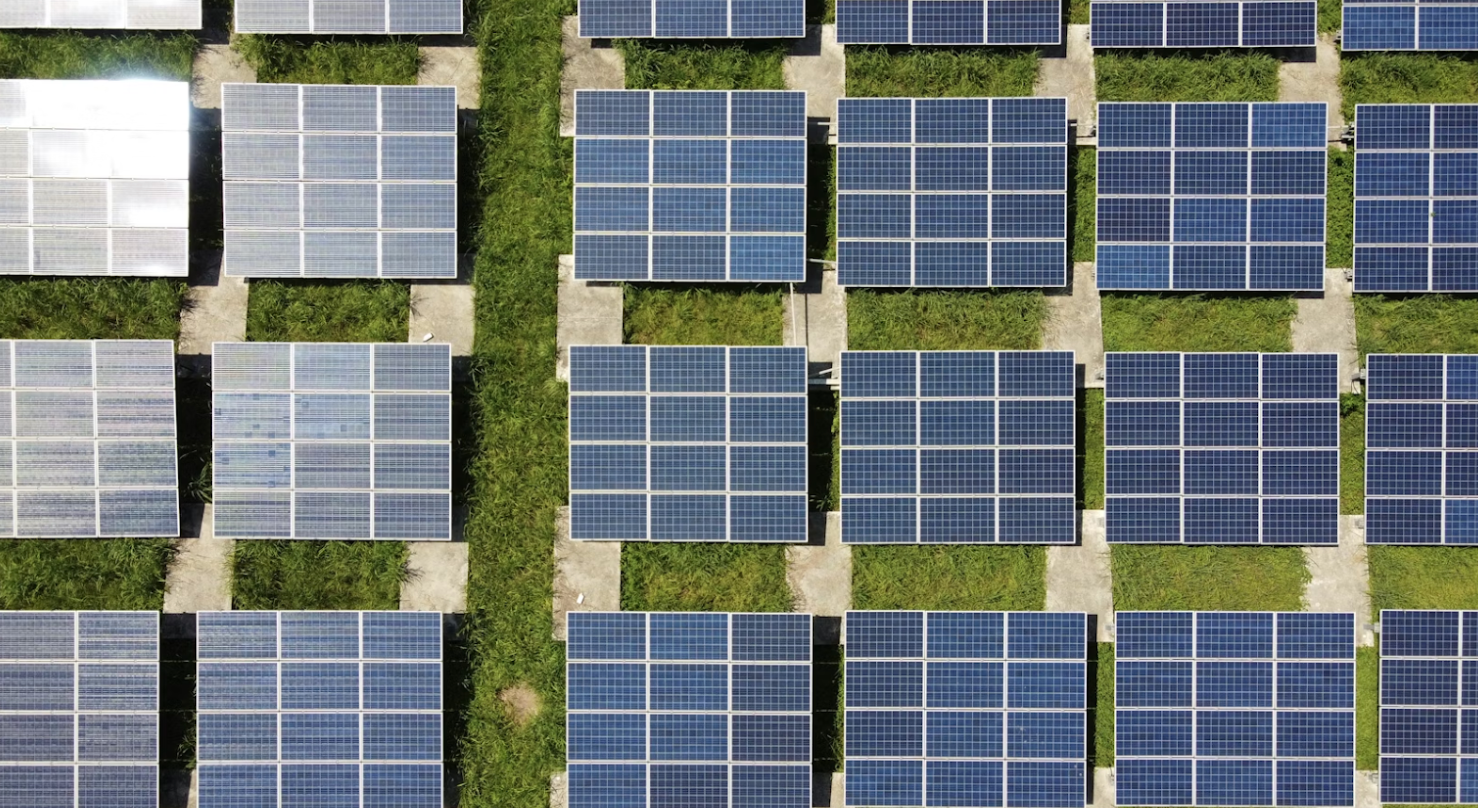
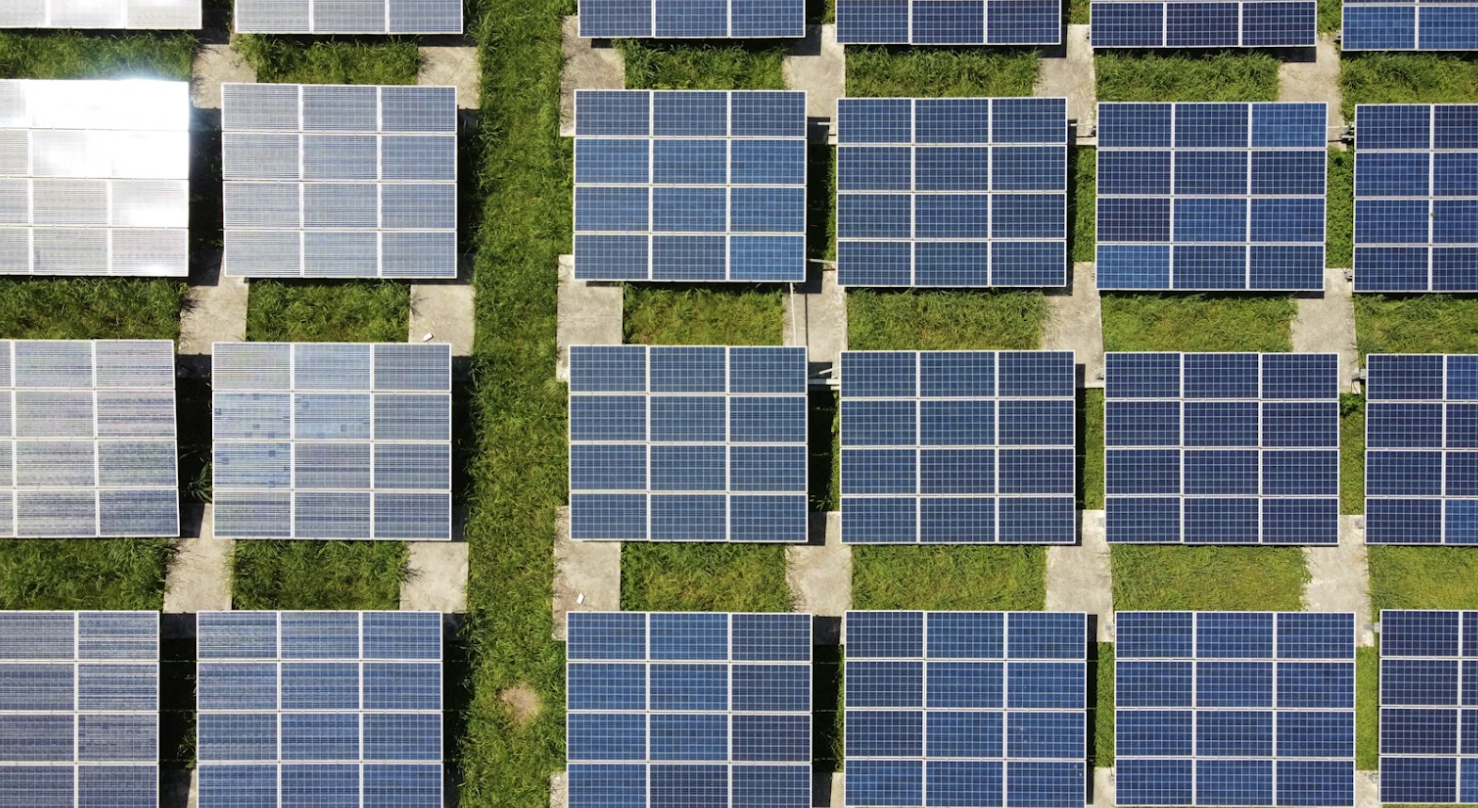
    Benban solar park from above shows the individual solar units operating alone and delivering energy together

    Benban solar park from above shows the individual solar units operating alone and delivering energy together. Data science can manage it all.


    Many of today’s businesses feel like they’re drowning in data but starving for insights. Sound familiar? You collect customer information, sales figures, production logs, marketing metrics – yet still struggle to turn that data into decisions that move the needle. That’s where the data science lifecycle comes into play. It’s not just for big companies with massive analytics teams. When applied thoughtfully, even small and mid-size businesses can use it to create better predictions and drive real outcomes.

    Here, you’ll walk through how to apply each stage of the data science lifecycle, how to make it practical for your business, and how modern platforms streamline the process so you don’t have to become a data scientist overnight.

    • Define the Problem

    Data science doesn’t begin with the data, but rather with a problem you want to solve. The first stage of the lifecycle is problem definition. You need to ask: What decision are you trying to improve? What outcome do you want? What business processes need to change?

    Maybe you want to reduce customer churn, optimize delivery routes, predict equipment failure, or increase high-value customer purchases. Whatever it is, you must define it clearly. Ambiguous goals lead to vague results.

    For example, instead of saying “we want more sales,” define “we want to increase repeat purchases by 20 percent within 12 months from our top 25 percent of customers.” 

    • Collect and Clean the Data

    data for good

    Once you have your question, the next stage is data collection and preparation. You’ll need to gather data that’s relevant to your question – customer history, transaction logs, equipment hours, social engagement…whatever applies.

    Allocate time and resources to clean the data, if needed. Standardize entries, handle missing values, remove duplicates, and ensure your data is properly labeled and structured. This stage lays the foundation. If your data is unreliable, the models and insights built on top of it will be shaky. So take your time here.

    • Explore and Visualize

    With clean data in hand, you move into exploratory data analysis (EDA). This is where you interact with the data to discover patterns, trends, anomalies, and relationships. It’s not about making decisions yet – it’s about understanding what the data is telling you.

    You might ask:

    • Which customers are most likely to churn?
    • What repair incidents frequently precede equipment breakdown?
    • Are there seasonal patterns in your sales?
    • What cohorts of users behave differently?

    Visualization tools help a lot in this stage. You might map customer segments, chart equipment failures, or link marketing campaigns to ROI. The insights you uncover here shape the next phase.

    • Model and Predict

    Octopus energy in the UK: Octopus Energy chief executive Greg Jackson with the new ‘Cosy 6’ heat pump (picture: Octopus Energy). Data science can manage clusters of heat pumps in industrial settings.

    Now you advance into modeling. Based on the patterns you identified, you build predictive models. These might forecast customer churn probability, equipment failure dates, sales volumes, or other outcomes relevant to your problem.

    This is where data science often feels intimidating, but modern platforms are making this far more accessible. Advanced tools now allow you to build and validate models with less manual coding, and focus instead on interpreting results and making decisions.

    • Prescribe and Act

    Here’s where the magic happens. Predictive insights are valuable, but only when they trigger action. This stage – sometimes called prescriptive analytics – transforms forecasts into decisions, workflows, and changes that move your business forward.

    For example, if your model predicts that a fleet vehicle has a 70 percent chance of requiring maintenance in the next 30 days, the prescriptive step is: “Schedule maintenance now before breakdown.” Or if a customer is likely to churn, the action might be: “Offer them a personalized discount or onboarding call.”

    • Monitor and Improve


    The final stage of the lifecycle is often underappreciated: monitoring and maintenance. Even the best models degrade over time because business conditions change, data evolves, and new patterns emerge. You need to track how your predictions perform and continuously refine your approach. This stage keeps your analytics alive and relevant.

    Real-World Example: Fleet Maintenance

    Let’s bring this to life with a concrete example. Imagine you manage a delivery fleet. You’re spending a lot on maintenance, facing unplanned breakdowns, and struggling to allocate vehicles efficiently. Here’s how the data science lifecycle helps:

    • Problem Definition: Reduce unplanned maintenance costs by 30 percent over the next year.


    • Data Collection: Gather data on vehicle hours, miles driven, past repair records, driver logs, fuel usage.


    • Exploratory Analysis: Visualize patterns – certain vehicles break down more under specific conditions, locations, or driver behaviors.


    • Modeling: Build a model to predict which vehicles are at highest risk of needing repair in the next 30 days.


    • Prescriptive Action: Using fleet maintenance software, schedule preventive maintenance for high-risk vehicles, replace tires proactively, and rotate drivers based on risk patterns. By tracking standard repair times and comparing performance against them, you create a culture of accountability and motivate staff to complete repairs more efficiently.


    • Monitor and Improve: Track breakdowns and maintenance costs. Measure whether the model’s predictions align with real outcomes. Tune variables, update thresholds, and adjust scheduling logic.


    In this scenario, you move from reactive maintenance – “fix something when it breaks” – to proactive maintenance: “fix it before it breaks.” That shift saves money, improves uptime, and builds accountability across your fleet team.

    Your Path Forward

    You don’t need to hire a 50-person analytics team to start. Every business can begin with one clear question and one clean data set. Start small and add complexity only when you’re ready. This is your best path forward for sustained results!


    The post How to Use the Data Science Lifecycle in Your Business appeared first on Green Prophet.

  • Stella McCartney shoes, bags, perfume coming back sustainably to H&M

    Stella McCartney shoes, bags, perfume coming back sustainably to H&M

    All of us may have more chances to dance in sustainable style as Stella McCartney, the sustainable fashion icon and daughter of Paul McCartney, is working again with the fast fashion label H&M. Fast fashion, Zara, Shein, Mango and COS, show us that they aren’t going anywhere.

    The post Stella McCartney shoes, bags, perfume coming back sustainably to H&M appeared first on Green Prophet.

    Binishell homes can be made for emergency house and high-end luxury dwellings


    If you’ve seen “binishell homes” popping up across architecture feeds this year, you’re not imagining it. The iconic inflatable concrete house—originally invented in the 1960s by architect Dante Bini—is suddenly back in global headlines. And there’s one big reason: climate resilience. And hey, Robert Downey Junior lives in one.

    Binishell Robert Downey Junior home in Malibu

    Binishell Robert Downey Junior home in Malibu

    Binishell Robert Downey Junior home in Malibu

    As heatwaves intensify and disasters become more frequent, governments and aid agencies are searching for housing solutions that are fast, affordable, low-carbon, and structurally strong. In Calfornia you can use hemp concrete and they are fire retardant.

    Binishell is a dome-shaped building created by inflating a giant balloon and spraying reinforced concrete around it. The technique delivers astonishing speed—often under an hour per unit once the form is in place—and excellent durability, especially against earthquakes, cyclones, fires, and possibly even floods.

    Search interest for binishell cost, binishell homes, and inflatable concrete house cost has jumped as engineers look for alternatives to slow, expensive, and carbon-heavy conventional construction. While full pricing varies by size, reinforcement type, and location, Binishells consistently reduce materials, labor hours, and waste.

    A Binishell rendering. Courtesy of Nicolo Bini.

    A Binishell home, a modern eco-home works well in the warm, dry climate of California

    Their air-form method uses up to 30–50% less concrete than a traditional box-shaped building and requires fewer skilled trades—an increasingly critical factor during emergency rebuilds when the local workforce is strained.

    Inflatable concrete homes excel where disasters hit hardest. Their aerodynamic shape resists wind uplift, their monolithic shell minimizes weak points, and their thermal mass keeps interiors cool in summer and warm in winter—essential in regions struggling with both heat stress and energy scarcity. Concrete itself is not sustainable but new innovations using materials like hemp can make it so.

    A growing number of countries and regions such as Gaza, Yemen, Somalia, Sudan, Afghanistan are Muslim and are naturally attracted to dome-shaped building, making Binishells an excellent idea if some company can actually make it happen.

    Abeer Seikaly’s Woven Shelters

    Abeer Seikaly’s Woven Shelters could be turned into a Binishell?

    What makes this approach especially valuable is reusability: once the crisis passes, these strong, permanent structures can transition seamlessly into long-term public assets. They could be used as housing units for boarding schools or facilities where small businesses or artisans can work. If made moveable, they could function as a second space for homes in the region.

    Turkey, for example, repurposed post-earthquake emergency housing built years ago with the help of Israel into into student dormitories. Binishells fit perfectly into this model: fast when needed, durable for decades, and flexible enough to become schools, healthcare posts, or creative workshops once families are resettled.

    The post Binishell homes and the inflatable concrete house trend is suddenly everywhere appeared first on Green Prophet.

  • How Smart Bike Insurance Encourages Greener Travel

    How Smart Bike Insurance Encourages Greener Travel

    Riding a two-wheeler is already one of the simplest ways to cut congestion and shrink your daily footprint. The right insurance cover quietly strengthens that sustainable choice. By reducing friction, cushioning unexpected costs, and supporting repairs that keep a bike energy-efficient, a thoughtful policy helps riders shift toward cleaner, lower-impact, and more reliable travel across India.

    The post How Smart Bike Insurance Encourages Greener Travel appeared first on Green Prophet.

    Binishell homes can be made for emergency house and high-end luxury dwellings


    If you’ve seen “binishell homes” popping up across architecture feeds this year, you’re not imagining it. The iconic inflatable concrete house—originally invented in the 1960s by architect Dante Bini—is suddenly back in global headlines. And there’s one big reason: climate resilience. And hey, Robert Downey Junior lives in one.

    Binishell Robert Downey Junior home in Malibu

    Binishell Robert Downey Junior home in Malibu

    Binishell Robert Downey Junior home in Malibu

    As heatwaves intensify and disasters become more frequent, governments and aid agencies are searching for housing solutions that are fast, affordable, low-carbon, and structurally strong. In Calfornia you can use hemp concrete and they are fire retardant.

    Binishell is a dome-shaped building created by inflating a giant balloon and spraying reinforced concrete around it. The technique delivers astonishing speed—often under an hour per unit once the form is in place—and excellent durability, especially against earthquakes, cyclones, fires, and possibly even floods.

    Search interest for binishell cost, binishell homes, and inflatable concrete house cost has jumped as engineers look for alternatives to slow, expensive, and carbon-heavy conventional construction. While full pricing varies by size, reinforcement type, and location, Binishells consistently reduce materials, labor hours, and waste.

    A Binishell rendering. Courtesy of Nicolo Bini.

    A Binishell home, a modern eco-home works well in the warm, dry climate of California

    Their air-form method uses up to 30–50% less concrete than a traditional box-shaped building and requires fewer skilled trades—an increasingly critical factor during emergency rebuilds when the local workforce is strained.

    Inflatable concrete homes excel where disasters hit hardest. Their aerodynamic shape resists wind uplift, their monolithic shell minimizes weak points, and their thermal mass keeps interiors cool in summer and warm in winter—essential in regions struggling with both heat stress and energy scarcity. Concrete itself is not sustainable but new innovations using materials like hemp can make it so.

    A growing number of countries and regions such as Gaza, Yemen, Somalia, Sudan, Afghanistan are Muslim and are naturally attracted to dome-shaped building, making Binishells an excellent idea if some company can actually make it happen.

    Abeer Seikaly’s Woven Shelters

    Abeer Seikaly’s Woven Shelters could be turned into a Binishell?

    What makes this approach especially valuable is reusability: once the crisis passes, these strong, permanent structures can transition seamlessly into long-term public assets. They could be used as housing units for boarding schools or facilities where small businesses or artisans can work. If made moveable, they could function as a second space for homes in the region.

    Turkey, for example, repurposed post-earthquake emergency housing built years ago with the help of Israel into into student dormitories. Binishells fit perfectly into this model: fast when needed, durable for decades, and flexible enough to become schools, healthcare posts, or creative workshops once families are resettled.

    The post Binishell homes and the inflatable concrete house trend is suddenly everywhere appeared first on Green Prophet.